 Oldsmar Siding
 Siding Built for Carrollwood's Climate, Not Just Its Curb Appeal
Carrollwood homeowners near Oldsmar deal with a specific combination of stressors that most siding products were never engineered to handle all at once: long stretches of intense subtropical UV, sudden hurricane-force wind events, wind-driven rain that gets pushed sideways into wall assemblies, and a steady dose of salt-laden air moving in off the Gulf and Tampa Bay. Individually, any one of these is manageable. Together, year after year, they're what separates siding that looks good for five years from siding that still looks good after twenty-five. We install exterior systems in this part of Pinellas County with that reality in mind, not a generic national spec sheet.
This page is written for homeowners in and around Carrollwood who are researching a siding, roofing, window, or deck project and want a straight answer about what actually holds up here — and why we've made the deliberate choice to install only one type of siding.
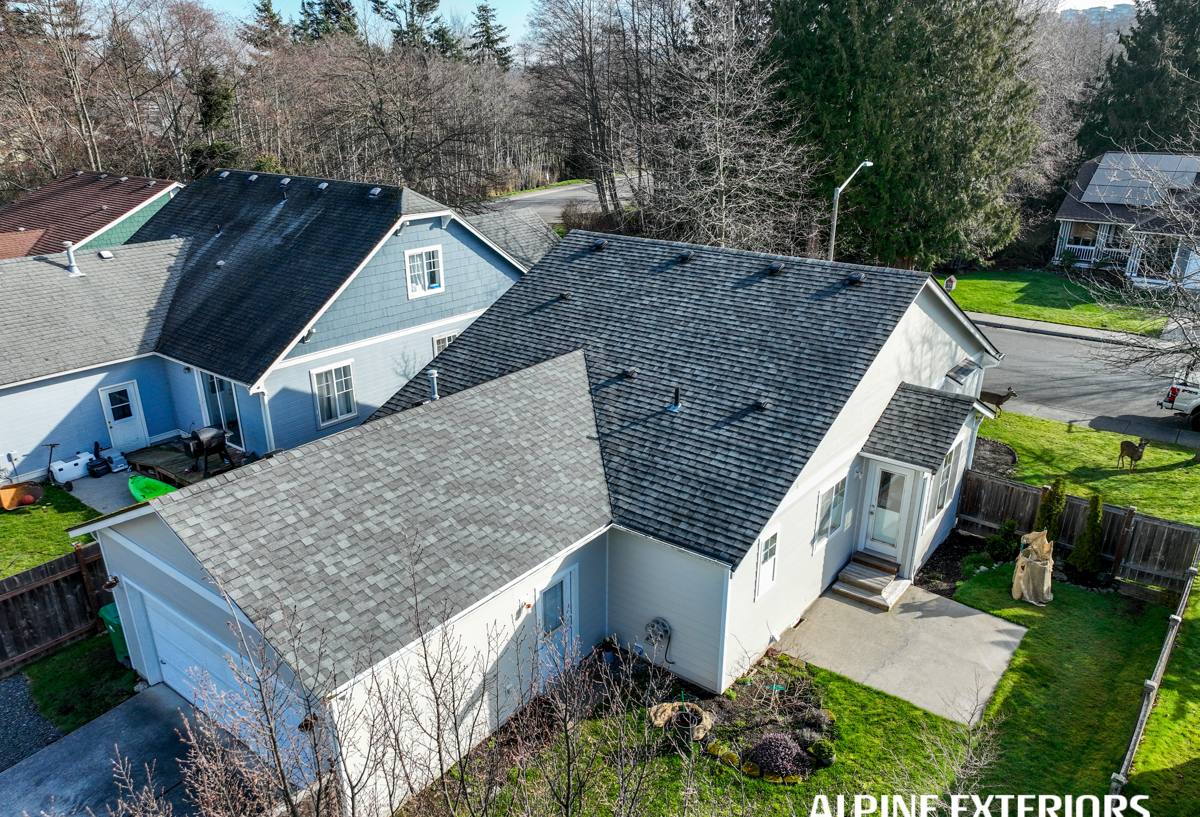
What Pinellas County Weather Actually Does to a House
UV and Heat
Florida sun is relentless. Siding faces direct, high-intensity UV for most of the year, and darker color choices absorb heat that gets transferred into the substrate underneath. Cheaper coatings chalk, fade, and become brittle faster here than almost anywhere else in the continental U.S. A factory-applied, UV-stable finish isn't a luxury upgrade in this climate — it's the difference between siding that holds its color and siding that needs repainting inside a decade.
Wind and Storm Load
Homes in this area need to be built to withstand tropical storm and hurricane-force wind events, sometimes with very little warning. Siding attachment, fastener schedule, and the material's own wind-load rating all matter more here than in calmer parts of the country. A product that's marginal in a 60 mph gust in a milder climate simply isn't a reasonable choice for a Pinellas County wall.
Wind-Driven Rain
It's rarely just rain here — it's rain pushed horizontally by wind, forced up under laps and into seams that would stay dry in a gentler climate. Any siding system that swells, wicks moisture, or delaminates when it gets wet repeatedly is going to show problems years before it should. Drainage plane design and how the material itself handles saturation both matter.
Salt Air
Proximity to the Gulf and Tampa Bay means airborne salt is a constant, low-level factor even well inland from the immediate coastline. Salt accelerates corrosion of fasteners and trim hardware and can be harder on certain coatings and finishes over time. Materials and fastening hardware need to be chosen with that in mind, not as an afterthought.
Why We Install Only James Hardie Fiber Cement Siding
We get asked regularly why we don't offer vinyl, LP SmartSide, Cemplank, Allura, or primed wood siding like cedar or spruce. It's not because those products have no legitimate use anywhere — it's because after years of installation and service work in this specific climate, we standardized on one system that consistently performs the way we need it to for our customers here.
Non-Combustible Core
James Hardie siding is fiber cement — it does not contribute fuel to a fire the way wood-based or wood-fiber products can. That's a meaningful factor for insurance considerations and for peace of mind, independent of climate.
Engineered for This Exact Region
Hardie's HZ5 product line is specifically engineered for high-humidity, storm-prone climates like Florida's — moisture and impact behavior are built into the product, not bolted on afterward. That matters directly for the wind-driven rain and humidity cycling that Carrollwood homes face.
ColorPlus Factory Finish
Rather than relying on field-applied paint that has to fight UV exposure from day one, Hardie's ColorPlus finish is baked on in a controlled factory process and backed by its own finish warranty. In a market with this much year-round sun, that factory-cured finish holds color and resists fading meaningfully longer than most field-applied coatings.
Dimensional Stability
Fiber cement doesn't swell, warp, or rot the way wood-based siding can when it takes on repeated moisture from wind-driven rain. That stability is exactly what keeps seams tight and paint lines straight over time in a climate that gives siding no real off-season.
Warranty Structure
Hardie backs its products with a strong, transferable limited warranty — a real consideration for resale value, since a warranty that transfers to the next owner is worth more to a buyer than one that doesn't.
We're not going to tell you competing products are junk — some have real strengths in the right application. But when we weighed maintenance burden, moisture performance, installation forgiveness, and long-term warranty support specifically for Pinellas County conditions, Hardie fiber cement was the clear standard we were comfortable putting our name behind.
How This Plays Out on an Actual Carrollwood Home
Every project starts with a walk-around assessment of the existing exterior — looking at how the current siding or trim has actually weathered on that specific elevation, since sun exposure and wind exposure vary by which side of the house faces what. South and west-facing walls typically take the harshest UV; walls facing open exposure typically take the harshest wind-driven rain. That assessment shapes fastener choice, flashing detail, and sometimes which HZ product line makes sense for a given elevation.
Installation Details That Matter Here
- Correct fastener type and spacing rated for the wind exposure of the specific home site
- Proper starter strip and flashing at windows, doors, and roof transitions to manage wind-driven rain
- Correct joint and butt-seam treatment so seams stay tight through humidity and temperature swings
- Rain-screen or drainage plane consideration behind the siding, not just a face-nailed installation
- Manufacturer-specified clearances from grade, decking, and roofing to avoid trapped moisture
Installed to spec, this is a system designed to go decades without needing to be revisited. Installed poorly — regardless of the brand on the box — almost any siding will underperform, which is why we treat the installation detail as seriously as the material choice itself.
Comparing Siding Options for This Climate
| Factor | James Hardie Fiber Cement | Vinyl | Wood-Based (LP, Cedar, Spruce) |
|---|---|---|---|
| UV / fade resistance | Factory ColorPlus finish, warrantied | Can fade and become brittle in high UV over time | Depends entirely on field-applied coating upkeep |
| Wind-driven rain / moisture | Engineered HZ5 line for humid, storm climates | Generally water-resistant but can distort in heat | Prone to swelling, delamination if maintenance lapses |
| Wind performance | Strong wind-load ratings when installed to spec | Can crack or blow off in high wind if under-fastened | Adequate but sensitive to moisture-related weakening |
| Combustibility | Non-combustible | Combustible (petroleum-based) | Combustible |
| Long-term maintenance | Low, if factory finish is intact | Low, but limited repair/color-match options | Higher — repainting and moisture checks needed |
Roofing, Windows, and Decks in the Same Climate
Siding rarely fails in isolation. A roof that's shedding wind-driven rain properly, windows that are flashed and sealed correctly, and a deck built to handle sun and moisture exposure all work together as one exterior envelope. When we're on-site for a siding estimate in Carrollwood, we're also looking at how the roofline, window flashing, and any deck structure are holding up, because a weak point in one system often shows up as damage in another. Handling all four trades under one roof means those interactions get caught instead of missed between separate contractors.
Why a Local Crew Matters Here
Pinellas County's mix of hurricane exposure, salt air, and code requirements isn't the same as inland Florida or other Gulf Coast markets — permitting expectations, wind-load requirements, and typical problem areas on older Carrollwood-area homes are things a crew learns by working here repeatedly, not from a manual. A local crew also means a real point of contact if a warranty question or minor issue comes up years down the line, rather than a call center for a company that installed once and moved on.
What to Expect From an Estimate
Pre-Estimate Checklist
- Note which sides of your home get the most direct afternoon sun
- Point out any areas where you've noticed water intrusion after storms
- Mention the age of your current siding, roof, windows, and any decking
- Flag any known past storm damage, even if it was already repaired
- Have a rough sense of your timeline — some projects are more time-sensitive ahead of storm season
A proper estimate includes a walk-around of the exterior, a look at trouble spots specific to your home's exposure, and a clear explanation of product options, cost factors, and realistic timelines — no pressure to decide on the spot.
Cost Factors Homeowners Should Understand
| Factor | Why It Affects Price |
|---|---|
| Home size and elevation complexity | More corners, gables, and transitions mean more cutting, flashing, and labor time |
| Substrate condition | Rot or moisture damage found underneath existing siding needs repair before new siding goes on |
| Product line selected | Different Hardie profiles and finishes carry different material costs |
| Access and site conditions | Tight lot lines, landscaping, or fencing can add labor time |
| Scope bundling | Combining siding with roofing, window, or deck work can reduce overall mobilization costs |
If you're weighing a siding project for your Carrollwood-area home, we're happy to walk the property, look at what your specific exposure has done to the current exterior, and put together a clear, no-pressure estimate — just use the form below to get started.