 Oldsmar Siding
 Why We Stopped Offering a Menu of Siding Options
Most contractors will sell a homeowner whatever siding they ask for. We made a different call. Every exterior job we take on in Oldsmar and the surrounding Pinellas County communities goes on with James Hardie fiber cement siding, full stop. No vinyl, no LP SmartSide, no primed wood panel, no off-brand fiber cement. That's not a marketing angle — it's a standard we set after years of watching which products actually hold up on Gulf Coast homes and which ones create callbacks, warranty headaches, and disappointed homeowners five years down the road.
Oldsmar sits on Tampa Bay, which means every exterior surface on a home here deals with the same combination of stressors: hurricane-force wind events, wind-driven rain that gets forced sideways into seams and laps, near-constant high humidity, and UV exposure that runs close to year-round instead of seasonal. Add the salt air drifting off the bay and it's a genuinely hard environment for a building material to survive in, let alone look good in, for 30-plus years. James Hardie is the one product we've found that consistently does both.
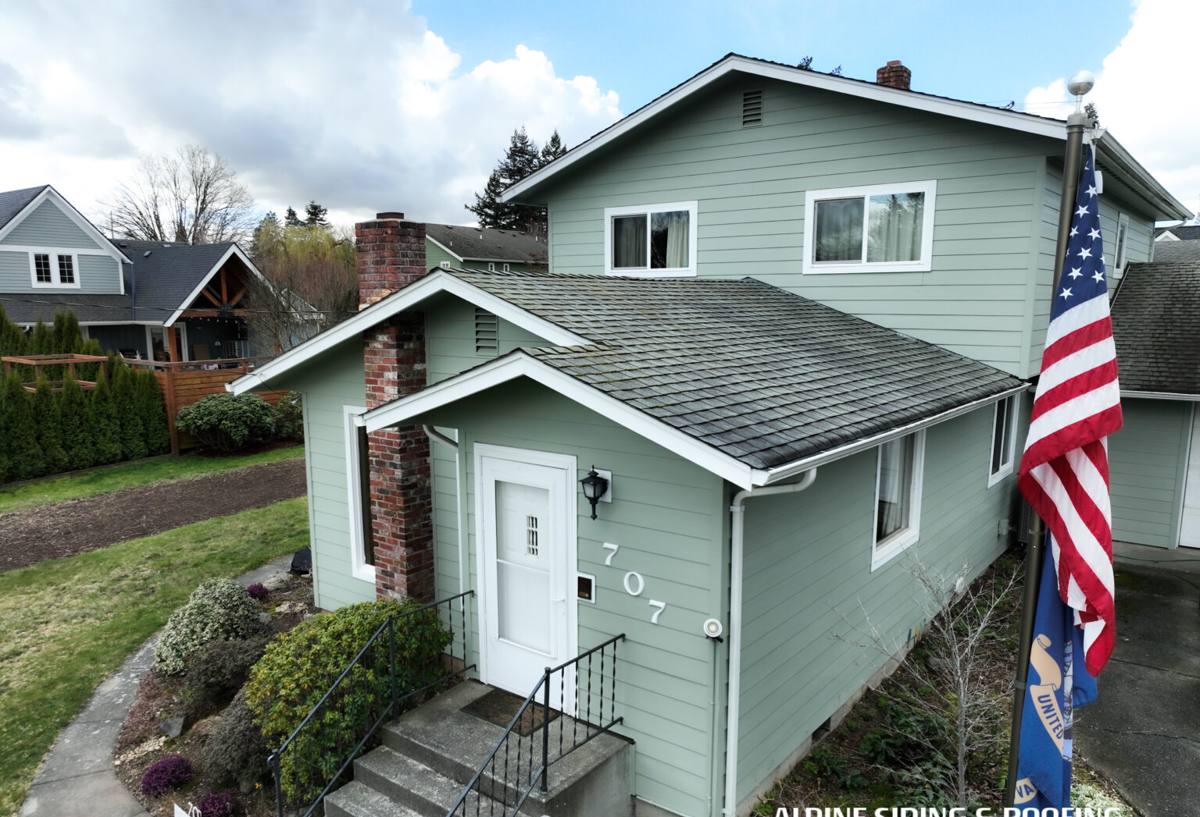
What James Hardie Siding Actually Is
James Hardie siding is fiber cement — a blend of Portland cement, sand, cellulose fiber, and water that's cured under pressure and heat into rigid, dimensionally stable planks and panels. It is not plastic (like vinyl), not an engineered wood product (like LP SmartSide), and not a thin composite. The cement base is what gives it its core advantages:
- Non-combustible — it carries a noncombustible rating and won't contribute fuel to a fire, which matters for both safety and, in some cases, insurance considerations.
- Dimensionally stable — it doesn't expand and contract with heat and humidity the way vinyl and wood-based products do, so seams stay tighter over time.
- Resistant to moisture-driven failure — it doesn't rot, and it's engineered to resist the swelling and softening that ruins wood-based siding when water gets past the surface.
- Impact resistant — it stands up to wind-driven debris far better than vinyl, which is a real consideration during Florida storm season.
None of that means it's indestructible or maintenance-free. It means it's engineered specifically to resist the failure modes that show up fastest in a hot, humid, storm-prone climate — which is exactly the environment Oldsmar sits in.
Climate-Engineered Product Lines (HZ5)
James Hardie doesn't make one version of its product for the whole country. It manufactures regional formulations under its HZ (HardieZone) system, and homes in our part of Florida call for the HZ5 formulation — engineered specifically for humid, high-moisture, storm-exposed climates. That's a meaningful distinction: a fiber cement product formulated for a dry inland climate isn't the same product performing the same way here. When we say James Hardie is what we install, we specifically mean the HZ5 line, matched to Pinellas County's climate zone.
ColorPlus Technology: The Finish Matters as Much as the Board
A siding board is only as good as its finish, and this is where a lot of fiber cement installations go wrong — not because of the substrate, but because of how it was painted. Field-applied paint on raw fiber cement is exposed to UV, humidity swings, and salt air from day one, and it behaves like any exterior paint job: it fades, chalks, and eventually needs to be repainted, usually inside 7-10 years on the Gulf Coast.
James Hardie's ColorPlus finish is baked on at the factory in a controlled, multi-coat process before the boards ever reach a job site. It's engineered to resist fading and hold color consistency far longer than a field-applied paint job, and it comes backed by its own finish warranty separate from the substrate warranty. We install ColorPlus finished product on essentially every job — it's a meaningfully different, more durable result than painting fiber cement after installation, and it's part of why we don't deviate from the Hardie system as a whole.
The Hardie Product Lines We Work With
James Hardie isn't a single product — it's a system of complementary lines that cover the full exterior. Which combination makes sense depends on the home's architecture and the look a homeowner is going for.
| Product Line | What It Is | Common Use |
|---|---|---|
| HardiePlank Lap Siding | Horizontal lap boards, the most common siding profile | Primary field siding on most homes |
| HardiePanel Vertical Siding | Large-format vertical panels | Modern facades, gable accents, board-and-batten look |
| HardieShingle Siding | Shingle-profile panels mimicking cedar shake | Accent gables, coastal/craftsman styling |
| HardieTrim Boards | Fiber cement trim for corners, fascia, window/door surrounds | Finishing detail around openings and edges |
| HardieSoffit Panels | Vented and non-vented soffit panels | Roofline ventilation and finish |
Using the full Hardie system — siding, trim, and soffit from the same manufacturer — also keeps expansion behavior, fastening requirements, and finish warranties consistent across the whole exterior, instead of mixing materials that move and age differently.
Why Installation Quality Determines Whether Any of This Holds Up
Fiber cement siding is far more installation-sensitive than most homeowners realize, and this is the part of the "why Hardie" conversation that often gets skipped. James Hardie publishes detailed fastening, clearance, and flashing specifications, and the siding's real-world performance depends on those being followed exactly — not approximated.
The details that actually matter
- Proper nailing pattern and fastener type — corrosion-resistant fasteners, correctly spaced and set, not overdriven.
- Correct clearances — minimum gaps from roof lines, decks, and grade so water doesn't wick into the board ends.
- Butt joint and seam treatment — joints caulked and flashed per spec, not just butted and painted over.
- Weather barrier and flashing details behind the siding — the siding is one layer of a water management system, not the whole system.
- Field-cut edge sealing — any cut board edge needs to be sealed, since factory finish doesn't extend to a fresh cut.
Installed to spec, HZ5 Hardie siding is built to perform for decades in exactly the wind, rain, and humidity conditions Oldsmar sees. Installed loosely — wrong fasteners, skipped clearances, unsealed cuts — even the best fiber cement on the market will fail early, usually with moisture intrusion at the seams or fastener corrosion. That installation sensitivity is a big part of why we don't treat siding as a commodity product we'll install however it's cheapest to move fast; it's why we standardized on one manufacturer's system and one crew that knows its spec cold, rather than juggling install methods across different product lines.
Warranty Structure
James Hardie backs its products with a transferable limited warranty on the fiber cement substrate, and a separate finish warranty on ColorPlus factory-applied color. The transferability matters more than it sounds — if the home sells within the warranty period, the coverage can carry over to the new owner, which is a real selling point Pinellas County homeowners bring up when they eventually list the house. Warranty terms are tied to correct installation per manufacturer specification, which is another reason installation quality and warranty value are the same conversation, not two separate ones.
Cost Factors Worth Understanding
We won't quote fake price ranges here — real numbers depend on the home's size, trim complexity, tear-off scope, and current condition. But there are cost factors worth understanding before you start comparing bids:
| Factor | Why It Moves the Price |
|---|---|
| Tear-off and substrate condition | Rot, old sheathing damage, or multiple prior layers add labor before new siding goes up |
| Trim and architectural detail | Gables, dormers, and multiple roof lines multiply cutting, flashing, and trim work |
| Product mix | Combining lap siding with shingle accents or vertical panels adds material and labor variety |
| House wrap and flashing scope | Full weather barrier replacement costs more than reusing sound existing wrap |
| Color and finish selection | Standard ColorPlus colors vs. custom field-painted finishes price differently |
Fiber cement generally costs more upfront than vinyl and is competitive with or less than high-end wood siding, but the fair comparison isn't the install invoice alone — it's install cost plus what you're likely to spend on repainting, repair, and replacement over 20-30 years. That's the comparison that tends to favor Hardie once you run it honestly.
Maintenance: What Ongoing Care Actually Looks Like
Hardie siding is low-maintenance, not no-maintenance. Here's what actually keeps it performing well through Florida's climate over time:
- Rinse the exterior periodically to clear salt residue, pollen, and mildew buildup — especially on homes closer to the water.
- Inspect caulking at seams, trim, and penetrations annually and re-caulk where it's cracked or pulled away.
- Keep irrigation heads and sprinklers from spraying directly on siding, which accelerates staining and efflorescence.
- Walk the exterior after major storms to check for impact damage, loose trim, or compromised flashing.
- Repaint field-painted trim or custom finishes on their own cycle — ColorPlus factory finish holds up longer, but non-factory-finished trim pieces still need attention.
The Bottom Line
We install one siding system because we've seen what performs in this climate and what doesn't, and we'd rather stand behind one product done right than offer a menu that includes options we know create problems in Pinellas County conditions. James Hardie's HZ5 fiber cement, finished in ColorPlus and installed to the manufacturer's spec, is what we're willing to put our name on.
If you're weighing siding options for a home in Oldsmar or nearby, we're happy to walk your property, look at your current siding condition, and put together a free, no-pressure estimate — no obligation, just a straight assessment of what your home actually needs.