 Oldsmar Siding
 Siding in Feather Sound: A Different Kind of Exposure
Feather Sound sits along Old Tampa Bay near the Pinellas-Hillsborough county line, and that waterfront location shapes what siding has to survive here more than almost anywhere else we work. Homes and condominiums in this area get a steady mix of open-water breeze, high humidity, and direct sun for most of the year, plus the added stress of tropical systems that track across Tampa Bay. It's a beautiful place to live, but it is not a gentle environment for an exterior wall.
As a siding contractor based in Oldsmar, we cover Feather Sound regularly, and the failure patterns we see on siding here are consistent: moisture intrusion at seams and trim, UV-driven fading and chalking on lower-grade materials, and paint that gives out years before the manufacturer's brochure promised. None of that is unique to any one house — it's what water, sun, and salt do to exterior materials over time in this part of Florida.
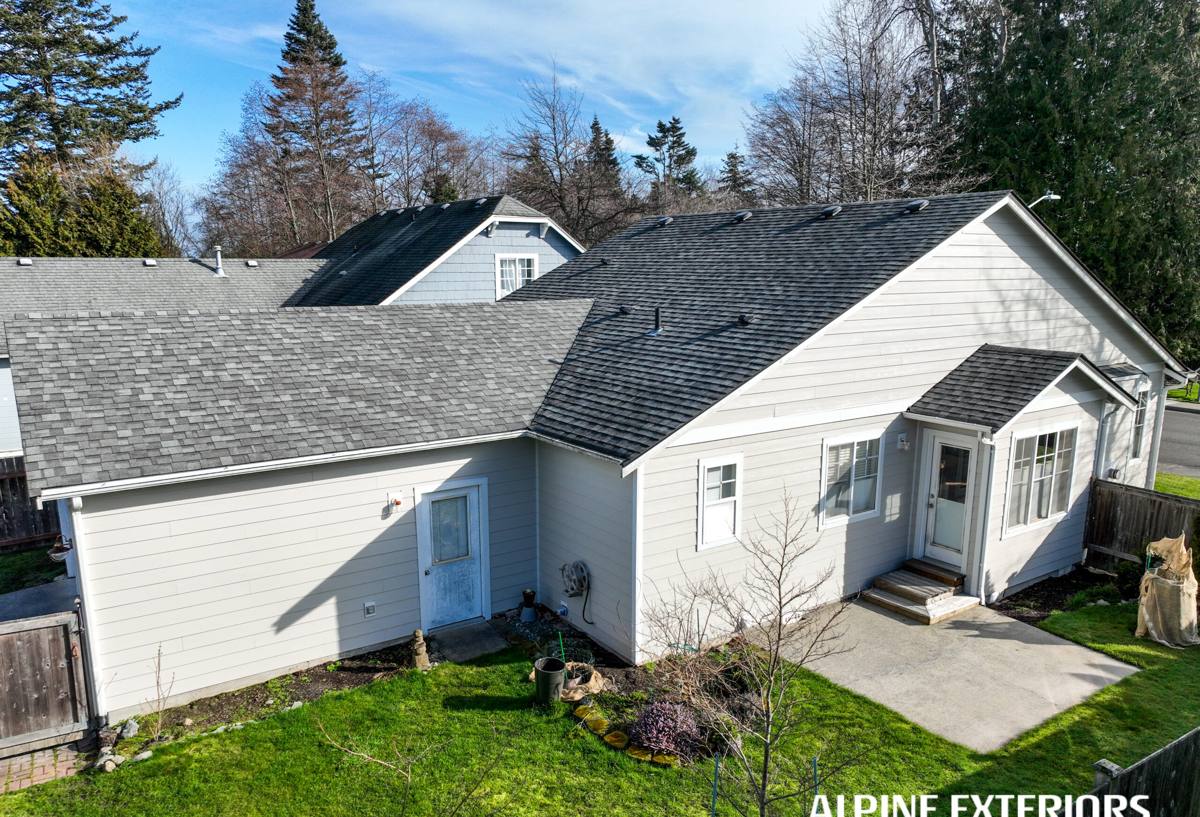
What Pinellas County's Climate Does to a House Over Time
Pinellas County sees a long, humid warm season, intense UV exposure nearly year-round, and a wind-driven rain pattern during summer storms and the occasional tropical system. Add proximity to Old Tampa Bay and you get a low but real dose of salt-laden air moving across the peninsula. Individually, each of these is manageable. Together, over ten or fifteen years, they add up to the main reasons siding fails early in this region:
- UV breakdown — constant sun exposure degrades pigments and surface coatings, especially on products not engineered for this climate
- Moisture cycling — humidity swings and wind-driven rain force water into seams, fastener holes, and butt joints
- Wind load — sustained breeze off the water and gusts during storms stress fastening systems and panel edges
- Salt air — accelerates corrosion of exposed fasteners and trim hardware near the bay
A siding product and installation method that isn't matched to these conditions will show it faster in Feather Sound than it would in a drier, inland climate.
Why We Install Only James Hardie Fiber Cement
We made a decision a long time ago to install one siding system: James Hardie fiber cement, in the HZ5 product line engineered for Florida's humidity and heat. We don't install vinyl, LP SmartSide, primed wood, or other fiber cement brands, and we're upfront about why. It isn't that every alternative is a bad product in every setting — it's that in a coastal, high-UV, high-humidity market like Tampa Bay, we've seen which materials hold up and which ones create callbacks.
Vinyl siding can warp and fade under sustained Florida sun and doesn't offer the impact resistance homeowners near open water often want. LP SmartSide is a wood-strand product — well-engineered, but wood-based composites depend heavily on unbroken caulking and edge sealing to keep moisture out, which is a hard standard to guarantee for the life of a house in a humid climate. Other fiber cement brands compete reasonably on paper, but James Hardie is the manufacturer that has spent the most time specifically engineering products and factory finishes for Gulf Coast conditions, and it's backed by a transferable warranty structure we're comfortable standing behind.
Fiber cement itself is non-combustible, resists termites (a real consideration anywhere near Tampa Bay's mature tree canopy), and doesn't rot the way wood-based products can if water gets behind it. Hardie's ColorPlus factory-applied finish is baked on under controlled conditions, which gives it better fade and chip resistance than field-applied paint — a meaningful advantage under Pinellas County's UV load.
What "Climate-Engineered" Actually Means
James Hardie makes different formulations of fiber cement for different climate zones. The HZ5 line, which is what we install throughout Feather Sound and the rest of the Tampa Bay area, is engineered for regions with high moisture and freeze-thaw is a non-issue but humidity and driving rain are constant. That distinction matters — it's the difference between a product that was designed for this specific climate and one that happens to be sold here.
How We Approach a Siding Job in Feather Sound
Every project starts with an assessment of the existing wall assembly, not just the visible siding. In a humid coastal area, what's happening behind the siding — house wrap condition, flashing at windows and doors, any trapped moisture — matters as much as the finish material itself. Installing new siding over compromised sheathing just hides a problem instead of solving it.
Installation Details That Matter in This Climate
Correct installation is what makes any siding product perform to its potential, and in coastal Florida the margin for error is smaller. We follow James Hardie's published installation guidelines closely, which includes:
- Proper clearance between siding and grade, decking, and roof lines to prevent wicking
- Correct fastener type, spacing, and penetration depth for wind resistance
- Sealed and flashed joints at windows, doors, and penetrations
- Panel gaps and caulking specified for Florida's expansion and moisture conditions
- Butt joints staggered and treated to shed water rather than trap it
Skipping or shortcutting any of these steps is where premature siding failure usually starts — not with the material itself.
Siding, Roofing, Windows, and Decks — One Exterior, One Crew
Feather Sound homes that need new siding often have other exterior components reaching the same age at the same time, since sun and storm exposure wear on a house as a system, not one material at a time. We handle roofing, window replacement, and deck construction alongside siding work, which means fewer separate contractors, fewer scheduling headaches, and one crew that understands how the whole exterior fits together — flashing details at a roofline that also ties into new siding, for example, or trim work around replacement windows.
Comparing Common Siding Choices in a Coastal Climate
| Material | UV/Sun Performance | Moisture Behavior | Typical Maintenance |
|---|---|---|---|
| Vinyl | Can fade and warp under intense, sustained sun | Doesn't rot, but can distort; water can get behind panels | Low, but limited repair options once damaged |
| LP SmartSide (wood strand) | Requires field-applied paint maintenance to hold color | Depends on intact caulking/sealing to resist moisture | Moderate — repainting and seam inspection over time |
| Primed wood/cedar | Prone to sun-driven checking and paint failure | Vulnerable to rot if moisture gets in | High — frequent repainting and monitoring |
| James Hardie fiber cement | Factory ColorPlus finish resists fading and chalking | Non-combustible, doesn't rot; engineered for humid climates (HZ5) | Low — periodic cleaning, no repainting cycle in most cases |
Cost Factors Homeowners Should Understand
Every Feather Sound property is different, so we don't quote sight-unseen, but the factors that drive siding cost are consistent:
| Factor | Why It Matters |
|---|---|
| Home size and wall complexity | More corners, gables, and trim details mean more labor and material |
| Substrate condition | Rot, moisture damage, or compromised sheathing must be repaired before new siding goes on |
| Siding profile and accessories | Lap width, trim style, and soffit/fascia work affect both look and price |
| Access and site conditions | Height, landscaping, and proximity to neighboring structures affect labor time |
| Existing siding removal | Tear-off and disposal of the old material adds scope versus a bare-wall install |
We walk every property in person and give a written estimate based on what's actually there — not a generic per-square-foot number that ignores the condition of your walls.
Signs Feather Sound Homeowners Should Watch For
Given the coastal exposure here, we recommend a periodic walk-around of your exterior rather than waiting for an obvious problem. Watch for:
- Soft spots or visible warping in siding panels, especially near ground level or roof intersections
- Paint that's chalking, peeling, or fading unevenly across a wall
- Gaps opening up at seams, corners, or trim boards
- Staining or discoloration that suggests water is tracking behind the siding
- Rusting fasteners or visible corrosion on trim hardware
- Rising cooling bills, which can indicate compromised insulation behind failing siding
Catching these early is almost always cheaper than waiting until the wall assembly underneath is damaged.
Why a Local Crew Makes a Difference
Working out of Oldsmar means we're in and around Feather Sound, Safety Harbor, and the surrounding Pinellas County communities regularly. That matters for a few practical reasons: we know how Hardie's HZ5 line performs specifically in this bay-adjacent climate, we're familiar with local permitting expectations, and we're not driving in from out of the area for warranty follow-up if a question comes up after the job is done. A siding job is a long-term investment in the house — it helps to work with a crew that's going to still be local a decade from now.
Get a Straightforward Estimate
If your Feather Sound home's siding is showing its age — or you're planning ahead before it becomes an urgent repair — we're happy to take a look and walk you through your options honestly, including why we'd recommend James Hardie fiber cement for your specific situation. Use the form below to request a free, no-pressure estimate.