 Oldsmar Siding
 Roof Replacement in Carrollwood: Built for What This Climate Actually Does
A roof in Carrollwood does more work than a roof almost anywhere else in the country. Between hurricane-force wind events, months of intense UV exposure, wind-driven rain that finds every weak seam, and the salt-laden air that drifts in off Tampa Bay, a roofing system here is under constant, compounding stress. Shingles that might last two decades in a mild climate can start failing years early when they're baked, soaked, and battered on this kind of schedule. That's the reality we design every replacement around — not a generic roof, but one built for this specific set of conditions.
This page covers roof replacement specifically for Carrollwood homes: what the climate demands, what a correct job actually involves, how our process works from first inspection to final cleanup, and why working with a crew that already knows this area's roofs matters more than it might seem.
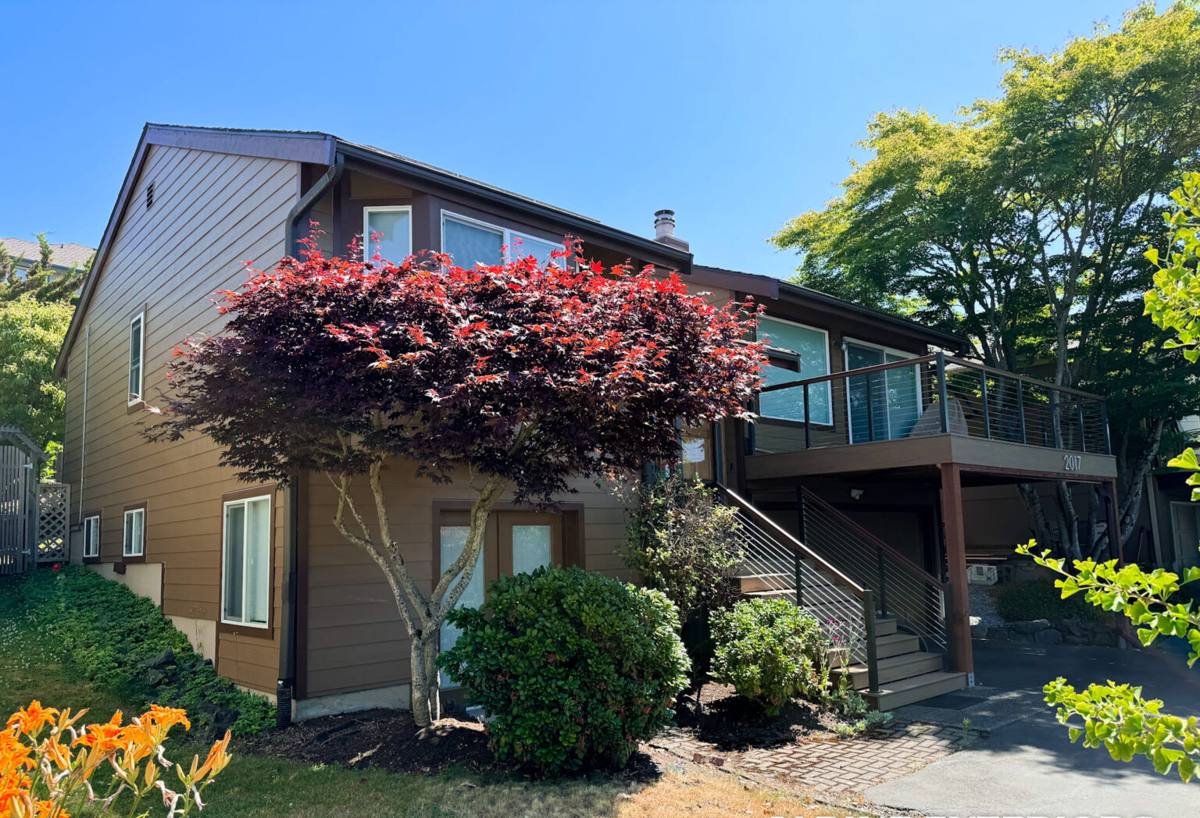
Signs a Carrollwood Roof Needs Replacement, Not Just Repair
Not every roof problem calls for a full tear-off. But there's a point where patching becomes a losing game — where every repair buys a few months and the underlying system keeps degrading underneath. Knowing where that line sits saves homeowners money and prevents a small leak from becoming interior water damage.
Signals worth taking seriously
- Shingles that are cupping, curling, or losing granules in large patches rather than a few isolated spots
- More than one leak in a single season, especially in different areas of the roof
- Visible sagging anywhere in the roofline, which can indicate deck or structural issues underneath
- A roof that's approaching or past 20 years old, even if it looks intact from the ground
- Repeated granule buildup in gutters after storms, a sign the shingles are wearing thin
- Soft spots on the roof deck when walked, which usually means moisture has already gotten into the wood
- Daylight visible through the attic decking or rusted, deteriorated flashing around vents and chimneys
If a roof is showing two or more of these signs at once, replacement is almost always the more cost-effective path over the next five to ten years than continuing to chase repairs.
What a Correct Roof Replacement Actually Involves
A roof replacement is more than swapping old shingles for new ones. The parts nobody sees — the deck, the underlayment, the flashing, the ventilation — are what determine whether the new roof holds up through the next decade of Tampa Bay summers or fails early because a corner got cut.
The components that matter most
Tear-off and deck inspection. We remove the old roofing material down to the deck rather than layering over it. This is the only way to actually see the condition of the plywood or OSB underneath, find soft or rotted sections, and replace them before they become a hidden problem under a brand-new roof.
Underlayment. This is the roof's second line of defense against wind-driven rain, and in a climate where storms regularly push water sideways under the shingle line, it matters as much as the shingles themselves. Synthetic underlayment and self-adhering ice-and-water-style membranes at eaves, valleys, and penetrations hold up better against heat and moisture than older felt products.
Flashing. Around chimneys, skylights, vent pipes, and wall intersections, flashing is where most roof leaks actually originate — not in the open field of shingles. Correctly installed, properly lapped flashing is non-negotiable, not an upsell.
Fastening pattern. Florida's building code specifies nailing patterns and fastener counts based on local wind speed requirements. Following that pattern precisely, rather than a generic national standard, is part of what keeps a roof intact when storm winds hit.
Ventilation. Attics that can't breathe trap heat and moisture, which shortens shingle life from underneath and can drive up cooling costs. Balanced intake and exhaust ventilation is part of a correct replacement, not an optional add-on.
Choosing a Roofing System for Carrollwood's Climate
There's no single "best" roofing material — the right choice depends on budget, how long the homeowner plans to stay in the home, and how much maintenance they want to deal with long-term. Here's an honest comparison of the systems most commonly used on homes in this area.
| Material | Typical Lifespan Here | Wind/Storm Performance | Maintenance Burden |
|---|---|---|---|
| Architectural asphalt shingle | 18-25 years | Good, with proper nailing and rated products | Low to moderate |
| 3-tab asphalt shingle | 12-18 years | Fair; lighter and less wind-resistant | Low |
| Standing seam metal | 40-50+ years | Excellent | Low |
| Concrete or clay tile | 40-50+ years | Excellent when properly fastened | Moderate (underlayment often needs replacement mid-life) |
Architectural shingles remain the most common choice for good reason — they balance upfront cost, appearance, and wind performance well for most homes. Metal and tile carry a higher installed cost but spread that cost over a much longer service life, which is worth discussing if the home is a long-term hold. We don't push one system over another; we lay out the honest trade-offs and let the homeowner's budget and timeline decide.
How Our Roof Replacement Process Works
Homeowners are trusting us to remove their roof entirely and rebuild it correctly, often in a matter of days. Here's what that actually looks like from start to finish.
- On-site inspection. We walk the roof and attic, check the deck condition where accessible, note flashing points, ventilation, and any signs of prior leaks or repairs.
- Written estimate. A clear scope of work and material selection, with pricing broken out so the homeowner knows what they're paying for and why.
- Permitting. Roof replacements in this area require a building permit and inspection — we handle that paperwork rather than leaving it to the homeowner.
- Material staging and property protection. Landscaping, pool areas, and exterior surfaces get protected before tear-off begins.
- Tear-off. Old roofing is removed completely and hauled off-site the same day whenever possible, so the deck isn't left exposed overnight without protection.
- Deck repair. Any damaged or soft decking is replaced before anything new goes down.
- Underlayment and flashing installation. Applied per manufacturer specification and local code, with particular attention to valleys, penetrations, and edges.
- Roofing material installation. Installed to the fastening and coverage pattern required for the wind rating of the product and the local code.
- Final inspection and cleanup. A magnetic sweep for stray nails, full site cleanup, and a final walkthrough with the homeowner before the job is called done.
Permits, Codes, and Wind Requirements in This Area
Roofing isn't a job where a homeowner can just pick whatever product looks good and have it installed — Florida's building code sets specific requirements for wind resistance, and local jurisdictions enforce them through permitting and inspection. That's not red tape for its own sake; it's a direct response to decades of hurricane damage across the state.
A properly permitted, inspected roof replacement also matters for insurance. Many homeowners' policies and wind mitigation discounts depend on documentation showing the roof meets current code — including things like secondary water barriers, proper fastening, and impact-rated or wind-rated materials where applicable. A contractor who skips the permit process to save time isn't doing the homeowner a favor; they're leaving that documentation gap for the homeowner to discover later, usually at claim time.
We pull permits, schedule required inspections, and provide documentation the homeowner can hand to their insurance carrier. It's part of doing the job correctly, not an extra service.
What Drives the Cost of a Roof Replacement
Every roof is different, so exact pricing depends on a real inspection — but the factors below are what actually move the number up or down, and understanding them helps a homeowner evaluate any estimate they receive.
| Cost Factor | Why It Matters |
|---|---|
| Roof size and pitch | Steeper roofs take longer and require more safety equipment and labor |
| Number of layers to remove | Multiple existing layers mean more tear-off labor and disposal cost |
| Deck condition | Rotted or soft decking found during tear-off needs replacement before new roofing goes down |
| Material selection | Shingle grade, metal, or tile carry significantly different material costs |
| Roof complexity | Valleys, dormers, skylights, and chimneys all add flashing work and labor time |
| Ventilation upgrades | Adding or correcting attic ventilation is sometimes needed to bring an older home up to standard |
Broadly, a straightforward asphalt shingle replacement on an average-size home typically falls in the mid-four-figure to low-five-figure range, with metal and tile systems running meaningfully higher due to material and labor cost. Any estimate should break these factors out individually rather than handing over a single lump number with no explanation.
Why Hiring a Crew That Already Works in Carrollwood Matters
Roofing crews unfamiliar with this specific climate and this specific building stock tend to make the same predictable mistakes: underestimating ventilation needs, using fastening patterns suited to milder climates, or missing that Tampa Bay's humidity and salt air accelerate corrosion on fasteners and flashing faster than it would inland or up north.
A crew that regularly works Carrollwood and the surrounding Tampa Bay area knows the local permitting offices, understands what inspectors specifically check for, and has already seen how different roofing systems perform on homes of this age and construction type after a few storm seasons. That familiarity shows up in fewer surprises during the job and a roof that's built for the conditions it will actually face, not just the conditions on a spec sheet.
It also matters for the years after installation. A local, established crew is still around to honor workmanship warranties, answer questions, or handle a post-storm inspection — something a crew that drove in from out of the area for a one-off job typically can't offer.
Protecting Your Investment After Replacement
A new roof still needs a bit of attention to hit its full expected lifespan, especially in a climate this demanding. None of this is complicated, but skipping it shortens the life of even a well-installed roof.
- Have gutters cleaned regularly so water isn't backing up under the roof edge
- Trim overhanging tree limbs that drop debris or scrape shingles in wind
- Schedule a visual inspection after any major storm, even if there's no obvious sign of a leak
- Check attic ventilation isn't blocked by insulation or storage
- Keep an eye on flashing around chimneys, vents, and skylights, which typically fail before the shingle field does
- Address small leaks or missing shingles immediately rather than waiting for the next dry spell to pass
A roof replacement is one of the larger investments a homeowner makes in their property, and it's also one of the most important for protecting everything underneath it. If your Carrollwood home's roof is showing its age or you just want an honest opinion on where it stands, we're happy to take a look. Reach out using the form below for a free, no-pressure estimate.