 Oldsmar Siding
 Storm Damage Roof Repair Built for Carrollwood's Weather
Carrollwood homeowners don't need a lecture on Florida weather — you live it every summer and every hurricane season. But storm damage to a roof is different from everyday wear, and it doesn't always look dramatic from the ground. A few missing shingles after a squall line can look minor while the real damage is happening underneath, one wind-driven rain event at a time. This page covers what storm damage actually looks like on a Carrollwood roof, what a correct repair involves, and how our process works from first inspection to final walkthrough.
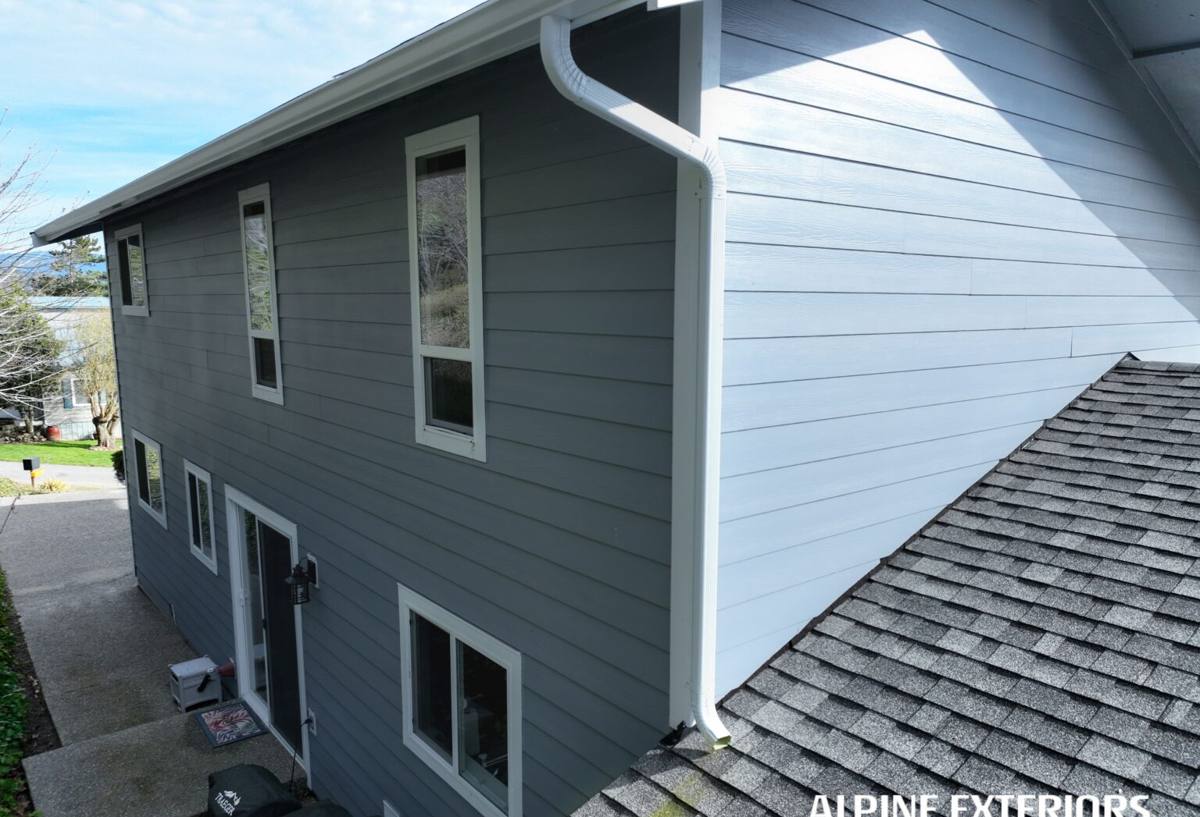
Why Carrollwood Roofs Take a Specific Kind of Beating
Roofs in this part of Pinellas County deal with a combination of stressors that doesn't let up for long. Hurricane-force wind gusts during named storms and strong summer thunderstorms can lift shingle edges and stress flashing points. Between storms, intense year-round UV exposure bakes asphalt shingles and dries out sealant strips faster than in most of the country. Add wind-driven rain — rain that comes in sideways rather than straight down — and you get water intrusion at points a roof was never designed to shed water from, like the underside of ridge caps or the edges of a shingle that's already lost its seal. Salt air moving inland from the Gulf and Tampa Bay adds a slower, corrosive layer on top of all of it, working on exposed fasteners, flashing, and metal drip edge.
None of that means every Carrollwood roof is in trouble. It means the margin for error is smaller here than it is in a drier, calmer climate, and small storm damage left unaddressed tends to turn into bigger problems faster than homeowners expect.
Older Roofs Feel It First
A lot of homes in established neighborhoods around Oldsmar and greater Pinellas County were built or last re-roofed before today's high-wind installation standards were standard practice. That doesn't automatically mean a roof needs replacing after a storm, but it does mean the fastening pattern, underlayment, and flashing details matter even more when we're deciding whether a section can be properly repaired or needs to come off entirely.
What Actually Counts as Storm Damage
Not every roof issue after a storm is storm damage, and not every storm produces obvious damage. Here's the honest breakdown of what we look for.
- Wind-lifted or creased shingles — shingles that were pulled up and re-seated by wind, even if they look flat again now, often have broken seal strips underneath.
- Missing or torn shingles — the obvious one, but the exposed felt or decking underneath is the real concern, not just the missing piece.
- Granule loss in patches — heavy wind-driven rain and hail-like debris can strip protective granules unevenly, which shows up as dark blotches, especially on the side of the roof that faced the storm.
- Flashing separation — around chimneys, skylights, sidewalls, and roof-to-wall transitions, where wind can work metal flashing loose even when the shingles nearby look fine.
- Soft decking or interior staining — the clearest sign water got in, usually found in the attic or as a ceiling stain days or weeks after the storm.
- Displaced ridge caps or hip caps — these take the highest wind load on the roof and are often the first thing to fail.
Regular wear — worn-out granules across the whole roof evenly, curling shingles at the end of their service life, or age-related cracking — is a maintenance and replacement conversation, not a storm damage repair. We'll tell you which one you're actually dealing with instead of treating every visit as a repair opportunity.
How We Diagnose a Storm-Damaged Roof
A rushed inspection is how storm damage gets missed. Our process is built to catch what a quick look from the driveway won't show.
1. Exterior Walkover
We physically walk the roof rather than inspecting from ground level or a drone alone. That's the only way to reliably find lifted shingle tabs, broken seals, and flashing that's pulled away but hasn't fully separated yet.
2. Attic and Interior Check
Wherever access allows, we check the attic for water staining, wet insulation, or daylight coming through at flashing points — often the earliest and most reliable evidence of an active leak, even before it shows up on a ceiling.
3. Decking Assessment
Where shingles are missing or damage is significant, we check the condition of the roof decking underneath. Soft, delaminated, or water-stained decking has to be replaced as part of the repair — patching shingles over compromised decking just hides the problem.
4. Documentation
We photograph and note the damage clearly, which matters both for your own records and for any insurance claim you may file. Good documentation from the start prevents disputes later about whether damage is storm-related or pre-existing.
5. Repair Plan and Written Estimate
We explain what needs to happen, why, and what it will cost before any work starts — no vague scopes, no surprise add-ons once the tarps are off.
Repair Materials and Methods We Use
Matching materials correctly matters more on a repair than most homeowners realize. A repair patched with mismatched shingle profiles, exposed nail heads, or the wrong underlayment can fail again in the next storm, even if it looks fine on the day it's finished.
| Repair Component | What We Check or Use | Why It Matters Here |
|---|---|---|
| Shingles | Matched profile and, where possible, matched color/lot to existing roof | Mismatched shingles create visible patches and can shed water differently at the seams |
| Underlayment | Synthetic or self-adhering underlayment at repaired sections | Wind-driven rain needs a second line of defense, not just the shingle layer |
| Flashing | New metal flashing at any point that separated, not just re-sealed old flashing | Salt air corrodes flashing over time; re-sealing corroded metal is a short-term fix |
| Fasteners | Corrosion-resistant nails set to proper depth and pattern | Under- or over-driven nails are a common cause of repeat wind damage |
| Sealant | Roofing-grade sealant used sparingly and only where it's a permanent fix, not a substitute for flashing | UV exposure breaks down cheap sealants fast in this climate |
Repair or Full Replacement? What Actually Drives That Decision
Homeowners understandably want to know upfront whether they're looking at a repair or a full re-roof. The honest answer is that it depends on a few specific factors, not just how bad the visible damage looks.
| Factor | Leans Toward Repair | Leans Toward Replacement |
|---|---|---|
| Age of existing roof | Roof is under roughly half its expected service life | Roof is already near or past the end of its expected lifespan |
| Extent of damage | Damage limited to one slope or a defined area | Damage spread across multiple slopes or the whole roof |
| Decking condition | Decking is sound under damaged sections | Widespread soft or delaminated decking found |
| Shingle availability | Matching shingles are still available | Existing shingle is discontinued or badly faded, making patches obvious |
| Storm history | First significant damage event on this roof | Repeated storm damage claims on an aging roof |
We'll always give you our honest read on which side of that line your roof falls on. A repair that's done right can add years of service life to a sound roof — but we won't recommend patching a roof that's genuinely at the end of its usable life, because that's money spent solving the wrong problem.
Working With Your Insurance Company
Most storm damage repairs in this area involve an insurance claim, and the process goes smoother when the documentation is solid from the start. We provide clear photos, a written scope of damage, and a detailed estimate that an adjuster can review against their own inspection. We're happy to meet an adjuster on-site and walk the roof with them if that's helpful, and to explain in plain terms what we found and why it needs the repair we've recommended. What we won't do is inflate a scope of work to chase a bigger claim payout — that approach tends to create problems with future claims and doesn't serve you well long-term.
What to Do Right After a Storm
The steps you take in the first day or two after a storm can affect both the extent of the damage and how smoothly an insurance claim goes.
- Photograph visible damage from the ground before anything is moved or cleaned up, if it's safe to do so.
- Check the attic for new water stains, damp insulation, or light coming through the roof deck.
- Note the date and approximate time of the storm for your records and any claim.
- Avoid walking on the roof yourself, especially with standing water, loose granules, or wind damage present.
- Cover active leaks temporarily from the inside with a bucket or tarp rather than climbing onto a wet roof.
- Call for an inspection promptly — delayed repairs give wind-driven rain more chances to reach the decking and interior.
- Keep any receipts for emergency measures you take, since insurance policies often reimburse reasonable mitigation costs.
Why It Matters That We Already Work in Carrollwood
A roofing crew that regularly works this part of the Tampa Bay area has already seen how local roofs age, which details fail first in wind-driven storms, and which repair shortcuts don't hold up through a full hurricane season. That local pattern recognition is worth more than it sounds like on paper — it's the difference between a repair that's technically done and one that's actually built to handle the next storm. We also know that after a significant weather event, response time matters. A roof with exposed decking doesn't get a break from Florida humidity and rain while you wait weeks for an appointment, so we prioritize getting storm damage inspected and temporarily secured quickly, with the permanent repair scheduled right behind it.
After the Repair: Keeping It That Way
A correctly done storm repair should hold up, but a little attention afterward goes a long way in this climate. We recommend a visual check after any major storm, keeping gutters and valleys clear of debris so water has a clear path off the roof, and having a professional look at flashing and seals every couple of years given how hard year-round UV and salt air work on roofing materials here. If you ever notice a new stain on a ceiling, a shingle out of place, or granules collecting in a gutter after a storm, it's worth a call before it becomes a bigger repair.
If you're dealing with storm damage on a Carrollwood-area roof, we're glad to come take an honest look. There's no cost and no pressure for an estimate — just a clear read on what's actually going on with your roof and what it would take to fix it right. The form below will get you started.