 Oldsmar Siding
 Board & Batten Siding, Done Right, for Carrollwood
Carrollwood is one of the residential pockets in and around Oldsmar where board and batten siding shows up again and again — on craftsman-style homes, farmhouse remodels, and accent gables that homeowners want to stand out from the flat, monotone lap siding on the rest of the street. It's a striking look. It's also a style that punishes a bad installation faster than almost any other siding profile, because the vertical boards and raised battens create more seams, more fastener points, and more places for water to find a way in if the job isn't done to spec.
This page is about that one service, for that one neighborhood: what board and batten siding needs to hold up in Oldsmar's climate, what a correct installation actually involves, and why we install it exclusively in James Hardie fiber cement rather than vinyl, engineered wood, or primed spruce alternatives.
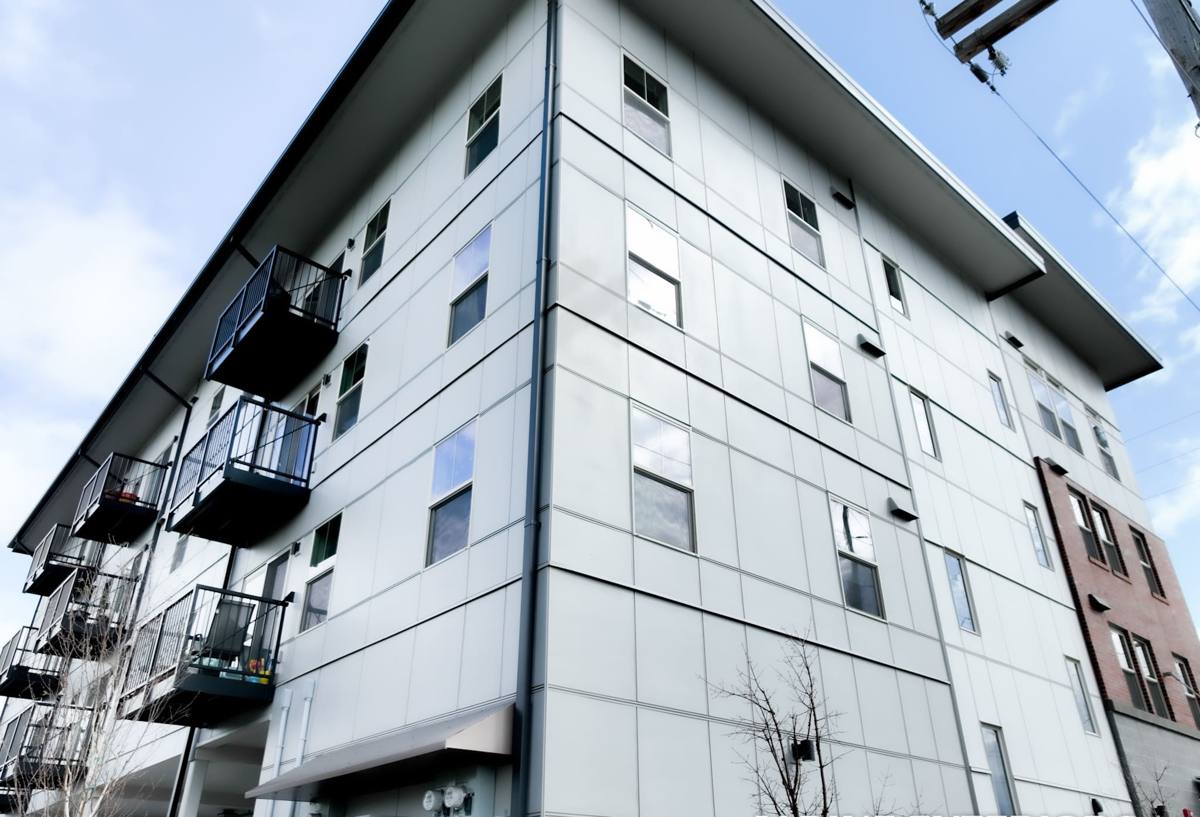
What Oldsmar's Climate Does to Vertical Siding
Pinellas County sits on a peninsula, and Carrollwood's homes take the same environmental beating as everywhere else in the area — it's just concentrated differently on a board and batten wall than it is on standard horizontal lap siding.
- Hurricane-force winds put direct pressure on every batten and panel edge. Vertical siding has more exposed edge length per square foot than lap siding, so fastening pattern and edge sealing matter more here, not less.
- Intense, year-round UV breaks down cheap paint films and unstable substrates faster in Florida than almost anywhere in the continental U.S. A board and batten wall facing west or south afternoon sun will show fading or chalking on inferior materials well before the rest of the house does.
- Wind-driven rain doesn't fall straight down here — it gets pushed sideways into every seam, joint, and batten gap. The vertical joints in board and batten are exactly the kind of detail that either sheds that water or traps it, depending on how the assembly was built.
- Salt air drifting inland from Tampa Bay accelerates corrosion on fasteners and metal flashing and speeds up the breakdown of anything not engineered for a coastal-adjacent climate.
None of that is unique to Carrollwood, but it's the baseline every board and batten job in this neighborhood has to be built to survive.
Why the Board & Batten Look Works Here — and Where It Goes Wrong
Board and batten reads well against Florida's mix of coastal cottage, craftsman, and modern farmhouse exteriors, and it's a common choice for gable ends, porch accents, and full facades in Carrollwood's more updated and newer-build homes. The vertical lines add texture and height without the busier look of shakes or scalloped shingles.
The problem is that the same design that makes it attractive — flat boards with raised battens covering the seams — is unforgiving of shortcuts. A lap siding installer can get away with a slightly loose fastening pattern because water sheds downward off overlapping courses almost regardless. Board and batten doesn't have that built-in redundancy. If the seams underneath the battens aren't properly backed, sealed, and fastened, wind-driven rain will find the gap.
What "Correct" Actually Means on This Profile
A correct board and batten installation isn't about the boards you see — it's about everything underneath them:
- A continuous water-resistive barrier behind the entire assembly, lapped correctly top to bottom
- Proper furring or battens for drainage where the wall assembly calls for a rainscreen gap, so any moisture that does get behind the siding can drain and dry
- Fastener spacing and embedment that matches the manufacturer's published wind-load tables, not just "what usually works"
- Flush, tight vertical seams under each batten with the correct gap tolerance so the panel material can expand and contract without buckling
- Sealed and properly lapped flashing at every window, door, and roof intersection — this is where the majority of siding leaks actually start, board and batten or otherwise
- Factory-primed or factory-finished cut edges, especially at the bottom of the wall where splash-back and standing water are most likely
James Hardie vs. Other Board & Batten Materials
Board and batten is sold in several materials, and the choice matters more on this profile than on a standard lap job because of how much seam and edge exposure is involved.
| Material | How It Handles Florida's Climate | Where It Falls Short |
|---|---|---|
| Vinyl board & batten | Inexpensive, won't rot; standard boards can warp or oil-can in direct heat and become brittle with UV exposure over time | Fastened to "hang loose" for expansion, which shows on tall vertical panels; can crack in wind-borne debris impacts; color is baked in, so fading can't be repainted away cleanly |
| Engineered wood (LP-style) | Good workability, factory-treated to resist fungal decay | Still a wood-strand product — any breach at a cut edge, fastener hole, or seam that goes unsealed lets moisture into the substrate, and Florida's humidity doesn't give it much room for error |
| Primed spruce / cedar | Traditional look, favored for historic-style homes | Highest maintenance burden of any option in this climate — repainting cycles are frequent, and untreated end cuts are a direct path for rot in a humid, wet-season climate |
| James Hardie fiber cement | Non-combustible, dimensionally stable in heat and humidity, ColorPlus factory finish resists UV fading far longer than field-applied paint | Heavier material, requires correct fastening and scoring technique — which is exactly why installation quality matters more than material selection alone |
We install James Hardie exclusively. It's not the only board and batten material on the market, but it's the one we're willing to warranty and put our name behind after seeing how the alternatives perform — or don't — a few Florida summers in.
Our Process for a Carrollwood Board & Batten Job
1. On-Site Assessment
We walk the specific elevations getting board and batten — often a gable end, porch feature, or full facade — and check the existing wall assembly, current moisture barrier condition, and any trouble spots like window flashing or roof-to-wall transitions before we ever price the job.
2. Substrate and Barrier Prep
Any compromised sheathing gets addressed before new siding goes up — covering over a wet or damaged substrate just hides a problem behind an expensive new wall. A continuous, correctly lapped water-resistive barrier goes on before a single board.
3. Installation to Manufacturer Spec
Boards and battens go up following James Hardie's published fastening schedules and joint details for our wind exposure category — not shortcuts, not "close enough." Every seam, corner, and penetration gets flashed and sealed as part of the install, not as an afterthought.
4. Final Inspection
We walk the finished wall looking specifically at seam lines, fastener pattern, caulking, and trim transitions before calling the job done.
Maintenance That Actually Fits This Climate
Board and batten in Hardie fiber cement is low-maintenance, not no-maintenance. In Carrollwood's climate, the realistic upkeep is:
- Rinse the exterior periodically to clear salt residue and airborne grit, especially on walls facing open exposure
- Re-caulk seams and trim joints if you notice gaps opening up, generally well before a decade passes
- Walk the base of the walls after major storms to check for debris impact damage or lifted trim
- Keep sprinklers and landscaping from spraying directly on the lower courses — constant wetting shortens the life of any siding material, ColorPlus finish included
Signs Your Current Siding Is Ready for Replacement
- Visible warping, buckling, or gaps opening between boards and battens
- Soft or spongy spots when pressed — a sign moisture has reached the substrate
- Persistent paint failure or chalking that returns within a year or two of repainting
- Staining or discoloration streaking down from seams or trim after rain
- Visible fastener heads backing out or rust streaks from corroding fasteners
- Interior signs — musty smell, peeling interior paint, or warped trim on the same wall
Why a Crew That Already Works Carrollwood Matters
Board and batten is a detail-sensitive install, and the details that matter shift by neighborhood — wind exposure category, typical wall assemblies in homes of a given era, and what Pinellas County's permitting and inspection process expects to see on a siding job all vary by area. A crew that's already worked Carrollwood knows the common home styles here, has already coordinated inspections in this jurisdiction, and isn't learning the neighborhood's quirks on your project. That familiarity shows up in fewer surprises mid-job and a wall system built for the exposure it's actually going to face.
If you're weighing a board and batten accent or a full facade in Carrollwood, we're glad to take a look and give you a straight answer on what your home needs. Reach out for a free, no-pressure estimate — we'll walk the property, explain what we see, and give you a real number, not a guess.