 Oldsmar Siding
 Carrollwood Roofs Face a Different Kind of Weather Load
Homes in the Carrollwood area take on more roofing stress than most people realize until something starts leaking. This part of the Tampa Bay region sees a punishing combination: hurricane-force wind gusts during storm season, wind-driven rain that finds its way under flashing and shingle tabs, and near-constant UV exposure that bakes roofing materials for most of the year. Add in the salt air that drifts inland across Pinellas County and the greater bay area, and you have a recipe for roofs that age faster than the manufacturer's warranty chart would suggest.
None of this means a Carrollwood roof is destined to fail early. It means the repair work has to account for what actually causes damage here, not just patch the visible symptom. A nail pop or a cracked tile is rarely just a random defect — it's usually the roof telling you where the wind, sun, or water pressure is winning.
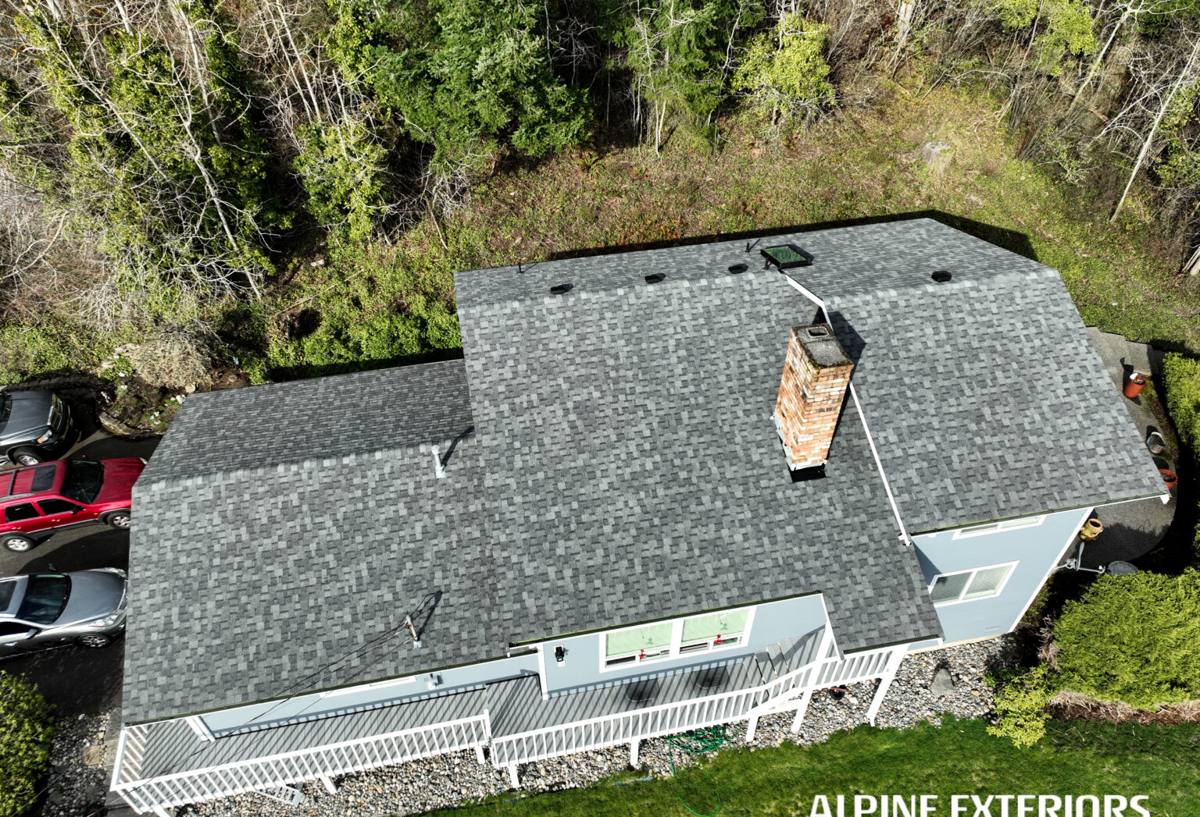
Signs a Carrollwood Roof Needs Repair — Not Replacement
Most roofs don't need a full tear-off. They need someone to correctly diagnose a localized problem before it spreads. Here's what we look for on service calls in and around Oldsmar:
Wind and Storm Damage
Lifted or missing shingles along ridgelines and eaves, creased shingles that have been flexed by gusts, and displaced or cracked tiles are the most common calls after a summer storm rolls through. Wind doesn't have to be hurricane-strength to cause this — sustained gusts in the 40-50 mph range, which this area sees several times a year, are enough to work fasteners loose over time.
Flashing and Penetration Failures
Roof valleys, chimney flashing, skylight curbs, and pipe boots are where the vast majority of leaks actually start — not in the middle of an open field of shingles. Sealant and rubber boots break down faster here because of the UV load, and once a boot cracks, wind-driven rain pushes water sideways under the covering during a storm instead of just running off.
Granule Loss and Soft Spots
Heavy granule loss in the gutters, or a soft, spongy feel underfoot in a specific section of roof, points to trapped moisture and decking that's starting to break down. This is the difference between a straightforward repair and a repair that turns into a small deck replacement — and it's exactly why an honest inspection matters before anyone quotes a price.
What a Correct Roof Repair Actually Involves
A repair that's done right isn't just "find the leak, cover the hole." It follows a sequence:
- Trace the water, not just the stain. Interior water stains almost never sit directly under the roof defect — water travels along rafters and decking before it shows up on a ceiling.
- Inspect the surrounding field, not just the failure point. If one section of flashing failed from UV breakdown, the flashing next to it is on the same clock and needs to be checked, not ignored until it fails on its own.
- Match materials correctly. Shingle color, profile, and tile shape all matter — a mismatched patch is a cosmetic problem today and a warranty and resale problem later.
- Rebuild the water path, not just the surface. Underlayment, drip edge, and flashing laps all have to be restored in the correct shingle-over-flashing order — sealant alone is a temporary fix, not a repair.
- Fasten to code for wind uplift. Florida's building code sets nailing patterns and fastener counts specifically for wind resistance — a repair that doesn't follow them is weaker than the roof around it.
Skipping any of these steps is how a modest repair turns into a major interior repair job two rainy seasons later.
Common Roofing Materials on Carrollwood Homes
The right repair approach depends heavily on what's already on the roof. Here's how the common types compare when it comes to repair work in this climate:
| Material | Typical Failure Points Here | Repair Considerations |
|---|---|---|
| Asphalt shingle (3-tab) | Wind lift at tabs, UV-brittle granule loss | Easiest to patch; older roofs may have discontinued color runs, making seamless matching harder |
| Architectural / laminate shingle | Edge lifting in gusts, sealant strip failure | Better wind rating when installed correctly; still needs proper nail count to hold up |
| Concrete or clay tile | Cracked or slipped tiles, broken battens, failed underlayment beneath intact tiles | Tiles themselves often outlast the underlayment under them — repairs sometimes mean lifting sound tile to fix what's underneath |
| Metal panel | Fastener backout, sealant washer breakdown at screws | Repairs are usually about re-fastening and resealing penetrations rather than panel replacement |
We don't push homeowners toward a different material during a repair call just because it's what we prefer to install. The honest answer is usually to repair what's there correctly, and only bring up replacement if the roof's remaining life genuinely doesn't justify further repair spend.
Our Repair Process
When we get a repair call from a Carrollwood homeowner, the process stays consistent:
- Inspection and diagnosis. We get on the roof, not just a ground-level look, and trace the actual source of the problem, including checking areas that aren't obviously damaged but are the same age and exposure.
- Straight explanation, straight quote. You get told what's actually wrong, what it takes to fix it correctly, and a price, before any work starts, not after.
- Repair to code, not just to stop the drip. That means correct underlayment integration, correct flashing laps, and fastening that meets Florida's wind-uplift requirements.
- Cleanup and haul-off. Old materials, nails, and tile fragments get cleared — a repair crew that leaves debris in the yard or gutters isn't finished.
- Documentation. Photos and a written summary of what was repaired, useful for your own records and for insurance if the damage was storm-related.
Cost Factors for Roof Repair
Repair costs vary based on a handful of factors more than anything else. There's no honest flat number to quote without seeing the roof, but here's what actually drives the price up or down:
| Factor | Why It Matters |
|---|---|
| Extent of decking damage | Sound decking means a fast repair; rotted or soft decking means cutting out and replacing plywood before anything else can happen |
| Roof pitch and access | Steep or multi-story sections take longer and need more safety setup, which affects labor time |
| Material match availability | Discontinued shingle colors or tile profiles can mean sourcing a close match or blending a larger section for a clean look |
| Number of separate failure points | One flashing leak is a quick visit; storm damage scattered across multiple slopes takes longer to fully address |
| Underlying cause | A repair that also has to correct a prior installation mistake, like short flashing or a wrong nail pattern, takes more time than a simple like-for-like fix |
Be cautious of any quote given without someone actually getting on the roof first. A phone-only estimate can't account for decking condition, which is usually the single biggest swing factor in final cost.
Storm Damage and Insurance
After a significant wind event, it's worth having a roof checked even if there's no visible interior leak yet — wind and wind-driven rain damage can sit hidden under tiles or shingles for weeks before it shows up as a ceiling stain. If damage is storm-related, we document conditions clearly enough to support an insurance claim, but we don't inflate scope or chase storm-chasing sales tactics. The goal is an honest repair scope that matches what actually happened to the roof, because inflated claims create problems with insurers down the road, not savings.
Why Hire a Crew That Already Works in the Carrollwood Area
Roofing crews that work this part of Pinellas County regularly build habits that generic or out-of-area crews don't have:
- Familiarity with the permitting and inspection expectations local building departments apply to roof repairs
- An eye for the specific failure patterns this area's wind and UV exposure causes, rather than treating every roof like a generic textbook case
- Knowledge of how Florida's wind mitigation inspection criteria interact with repair work, which matters for your insurance premium
- Established relationships with material suppliers who stock the shingle and tile profiles common on homes in this area, which speeds up matching
- No learning curve on local HOA exterior-appearance expectations, where they apply
A crew that shows up once, does a patch, and disappears has no stake in whether that repair holds up through the next storm season. A local crew's reputation in the Oldsmar area depends on the repair actually working.
Maintenance Checklist Between Repairs
A repair should buy you real years of roof life, not just a few dry months. Between service visits, these habits catch small problems before they become expensive ones:
- Walk the property after any significant wind event and look for shingle or tile debris in the yard or gutters
- Check gutters for granule buildup, which signals accelerating shingle wear
- Look for daylight or water stains in the attic after heavy rain, especially around chimneys, vents, and skylights
- Keep overhanging branches trimmed back — abrasion from branches in high wind wears through shingles faster than sun exposure alone
- Have flashing and sealant points checked every couple of years rather than waiting for a leak to force the issue
Catching a lifted shingle or a cracked sealant bead before the next storm season is almost always cheaper than repairing the ceiling damage that follows if it's ignored.
Get an Honest Look Before You Decide Anything
If you're dealing with a leak, storm damage, or just a roof that's overdue for a check, we're happy to take a look and give you a straight answer — repair, monitor, or replace — with nothing pushed on you that the roof doesn't actually need. The estimate is free, there's no pressure, and you can use the form below to get on the schedule.