 Oldsmar Siding
 Siding in Town 'N Country: What Local Homes Are Up Against
Town 'N Country sits in that stretch of the greater Tampa Bay area where the weather doesn't do anything halfway. Homes here deal with long stretches of intense subtropical sun, sudden downpours that come in sideways on a gusty afternoon, and the kind of humidity that never really lets a building envelope dry out completely between storms. Add in periodic tropical systems and hurricane-force wind events, and you've got a climate that is genuinely hard on exterior materials — harder than most siding products were originally designed for.
We're a Pinellas County-based exterior contractor, and while our home base is Oldsmar, Town 'N Country falls well within the radius of homes we work on regularly. The construction stock in this part of the county spans everything from older single-story ranch homes built decades ago to newer infill construction, and we see the same failure patterns again and again: siding that's cupping, delaminating, or fading unevenly on the sun-facing elevations; caulk joints that have opened up and let moisture behind the cladding; and trim boards that have gone soft at the bottom edge from years of splashback and standing humidity.
Why the Combination of Factors Matters More Than Any One of Them
No single stressor is unique to this area — plenty of places get hot, plenty of places get rain, plenty of places are near enough to salt water to notice it. What makes the Gulf Coast side of Florida tough on a home's exterior is that all of these factors hit at once, all year, without a real off-season. A siding product that holds up fine in a drier or more moderate climate can start showing problems here in a fraction of the time, simply because it never gets a break from UV exposure, moisture cycling, and wind load.
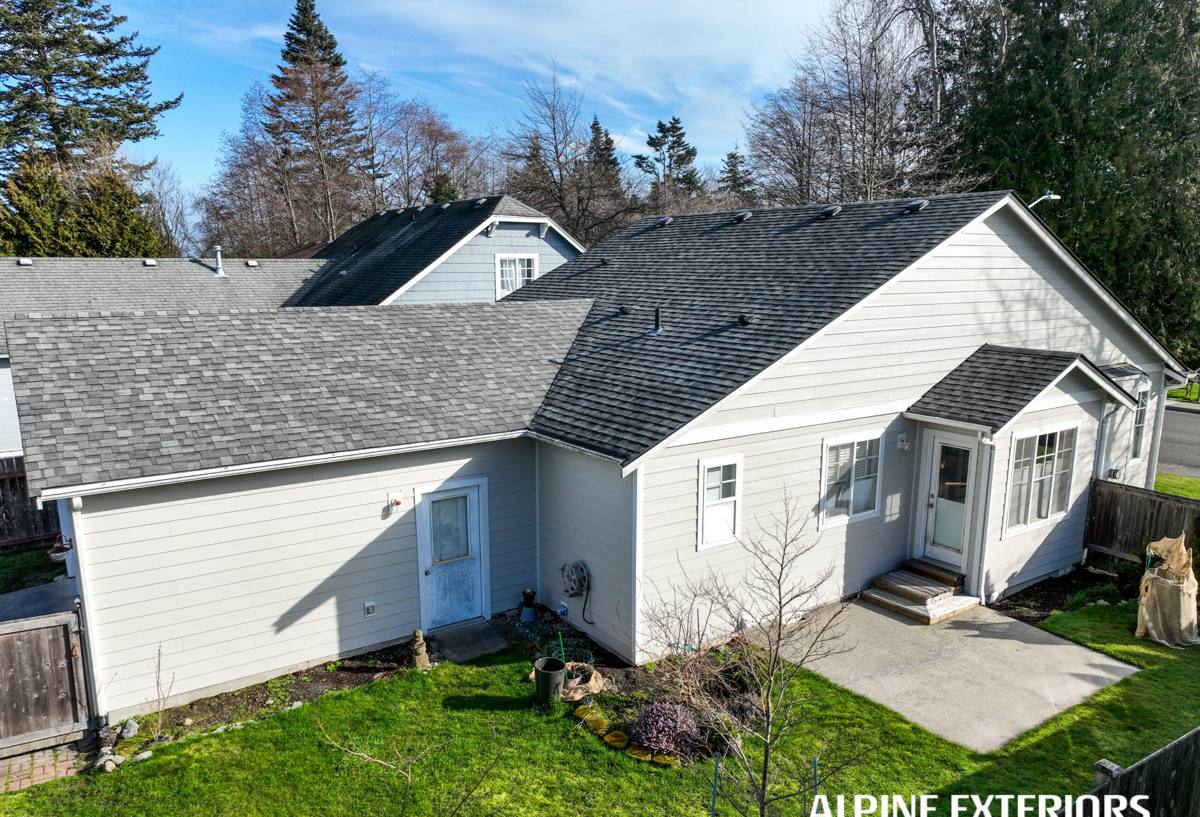
Why We Only Install James Hardie Fiber Cement
We made a decision as a company to install one siding system: James Hardie fiber cement. We don't install vinyl, LP SmartSide, Cemplank, Allura, or primed wood siding like spruce or cedar. That's not a marketing position — it's a standard we hold ourselves to because of what we've seen these products do (and not do) on real homes in this exact climate over time.
What Fiber Cement Does Differently
- Non-combustible core. Fiber cement doesn't contribute fuel to a fire the way wood-based products can, which matters for insurance considerations and general peace of mind.
- Dimensionally stable in heat and humidity. Unlike vinyl, which can warp, sag, or become brittle under sustained UV and heat cycling, fiber cement holds its shape.
- Factory-baked ColorPlus finish. The color is cured onto the board in a controlled factory environment, which resists the fading and chalking that field-applied paint on wood siding is prone to under intense Florida sun.
- Engineered for humid, storm-prone climates. Hardie's HZ5 product line is specifically formulated for high-humidity, hurricane-exposed regions like ours, as opposed to a general-purpose formulation.
Being Honest About Trade-Offs
Fiber cement isn't magic, and we won't pretend it is. It's heavier than vinyl, which means installation labor costs more and requires a crew that knows how to handle and fasten it correctly. It requires proper flashing, gapping, and caulking details at every joint — skip those details and you can still get moisture intrusion behind the board, same as with any siding system. The material itself is excellent; the installation is where a project succeeds or fails, which is exactly why we're selective about the crews who touch it.
Why We Don't Install Vinyl, LP SmartSide, or Wood Siding
Vinyl siding is inexpensive and easy to install, and for milder climates it can be a reasonable choice. In a climate with sustained high heat and direct sun exposure like ours, though, we've watched it warp, buckle, and become noticeably brittle well before a homeowner expects to think about replacement. It also can't be painted a darker color without risking heat-related warping, which limits design options for homeowners who want a specific look.
LP SmartSide and similar engineered wood products use a wood-strand substrate with a resin binder. When installed and maintained perfectly, it can perform reasonably well. But wood-based products are inherently more sensitive to moisture intrusion than fiber cement — if water gets behind a seam or a cut edge isn't sealed properly, the substrate can swell and deteriorate. In a climate where wind-driven rain regularly tests every joint and seam on a house, that sensitivity is a real long-term risk, not a hypothetical one.
Primed spruce, cedar, and other traditional wood sidings bring genuine curb appeal, but they demand an ongoing maintenance commitment — repainting, resealing, and vigilant caulk upkeep — that most homeowners underestimate going in. In a coastal, high-UV, high-moisture environment, that maintenance cycle compresses, meaning more frequent upkeep than the same product would need somewhere drier and cooler.
Siding Product Comparison for This Climate
| Material | Heat/UV Resistance | Moisture Behavior | Maintenance Level | Our Position |
|---|---|---|---|---|
| James Hardie Fiber Cement | Excellent — factory-cured finish | Non-combustible, dimensionally stable | Low — occasional wash and caulk check | What we install |
| Vinyl | Prone to warping/fading in intense sun | Can trap moisture behind panels if installed loose | Low, but limited lifespan in high heat | Not installed |
| LP SmartSide | Moderate — depends on coating integrity | Wood-strand core sensitive to intrusion | Moderate — seams need monitoring | Not installed |
| Primed Wood (Spruce/Cedar) | Fades and weathers without upkeep | Most moisture-sensitive of the group | High — regular repainting/sealing | Not installed |
How a Siding Project Works in Town 'N Country
Assessment
We start by walking the exterior and looking at how the current siding, trim, and flashing details have held up. We pay close attention to sun-exposed elevations, areas near ground-level splashback, and anywhere water has historically pooled or run off awkwardly — these are the spots that tell us the most about how the next installation needs to be detailed.
Installation Details That Actually Matter
- Proper fastener spacing and type, matched to Hardie's published specifications for wind zone requirements.
- Correct gapping at butt joints and around penetrations to allow for the material's minor expansion and contraction.
- Flashing integrated behind every window, door, and roof-to-wall transition — not just caulked over the surface.
- Rain-screen or drainage plane detailing where the wall assembly calls for it, so incidental moisture has somewhere to go.
Timeline and What to Expect
A typical single-family home siding replacement runs from about a week to a few weeks depending on square footage, the amount of trim and detail work involved, and whether we're also addressing water-damaged sheathing found during tear-off. We'll walk you through anything unexpected we find before we move forward with it — surprises during tear-off are common on older homes, and we'd rather show you than guess.
Roofing, Windows, and Decks — The Rest of the Envelope
Siding is one piece of a home's exterior, but it doesn't work in isolation. We also handle roofing, window replacement, and decks, because a home's weather resistance really comes down to how well all of these systems tie together. A new siding job with a roof that's shedding water onto it improperly, or windows that aren't flashed correctly, will develop problems regardless of how good the siding itself is. When we're on-site for a siding estimate in Town 'N Country, we'll flag anything we notice on the roof, windows, or deck structure that could undermine the work, even if it's outside the original scope of the visit.
Why a Local Crew Matters Here
Pinellas County's building codes and wind-load requirements reflect the real risk this area faces from tropical storms and hurricanes. A crew that installs siding across a wide range of climates may not default to the fastening patterns, flashing methods, or product lines that our local code officials and our own experience have shown to actually hold up here. We work in this specific climate on a daily basis, which means we're not learning on your house — we already know which details tend to fail first in a Gulf Coast storm and we build in the extra attention those details need from the start.
Being based in Oldsmar also means we're a short drive away if a warranty question or a storm-related concern comes up after the job is done. That local proximity isn't a small thing when a named storm is bearing down and you want to know your exterior has been done right.
Questions Homeowners in Town 'N Country Often Ask Us
Common Concerns Before Committing to a Project
Most homeowners considering a siding replacement in this area want to know how long it will really last, what it costs relative to alternatives, and whether the investment is worth it given how hard the local climate is on exterior materials. We'd rather answer those questions honestly during an in-person estimate than give you a generic number that doesn't reflect your specific home, its exposure, and its existing condition.
What to Look for in Any Contractor You Hire
- Manufacturer-recognized installation credentials, not just general contracting experience.
- A willingness to explain flashing and moisture-management details, not just the visible finish.
- Proof of proper licensing and insurance for exterior work in Florida.
- Clear, written scope of work before any tear-off begins.
- References or examples of similar work in comparable coastal or high-humidity conditions.
If your siding is showing its age, or you're planning ahead of the next storm season, we're happy to walk your property in Town 'N Country and give you a straightforward, no-pressure estimate — no invented urgency, just an honest look at what your home actually needs.