 Oldsmar Siding
 Deck Building for Carrollwood Homes Near Oldsmar
Carrollwood sits inland from the coast but that doesn't spare it from what Tampa Bay weather does to an outdoor deck. Between the intense year-round Florida sun, wind-driven summer downpours, and the occasional hurricane-force wind event that pushes through Pinellas County, an outdoor deck here takes a beating that most manufacturer warranties and generic build guides never account for. We build and repair decks for homeowners in and around Oldsmar, and Carrollwood is one of the neighborhoods we return to regularly for new builds, replacements, and repair work on decks that were built without the local climate in mind.
This page is about deck building specifically for Carrollwood conditions — what the climate actually does to a deck over time, what a correctly built deck looks like here, and how our process works from the first estimate to the final walkthrough.
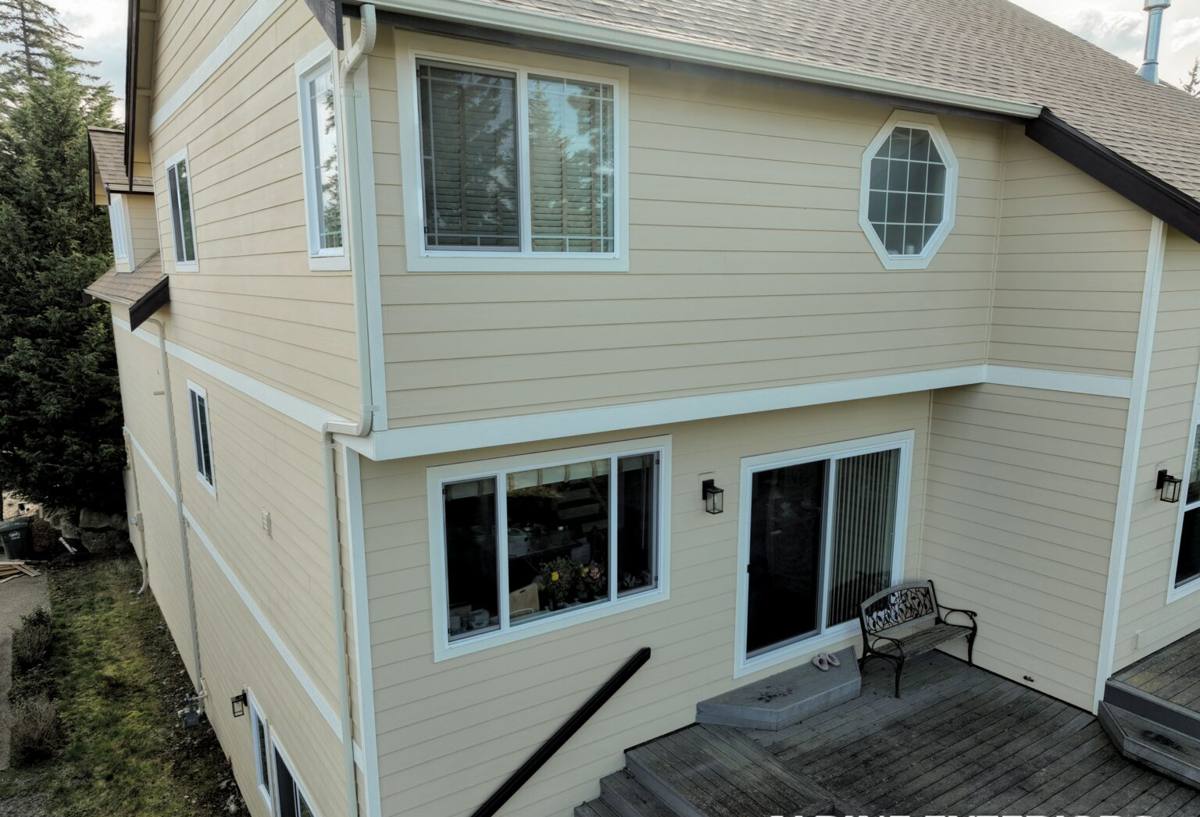
What Carrollwood's Climate Does to a Deck
Sun and UV Exposure
Florida sun is relentless nearly twelve months a year. On unprotected or poorly finished wood, UV exposure breaks down surface fibers, causes graying and splintering, and dries out the natural oils in the wood faster than in most other parts of the country. Composite decking isn't immune either — cheaper composite boards can fade unevenly or chalk on the surface if the material and finish weren't chosen with sun exposure in mind.
Wind-Driven Rain and Humidity
Pinellas County gets heavy, fast-moving storms most afternoons in summer, and the rain often comes in sideways rather than straight down. That means water gets driven into joints, fastener holes, and end grain that a "normal" rain pattern wouldn't reach. Combined with Florida's humidity, any deck built with insufficient gaps between boards, poor fastener choices, or the wrong ledger flashing will trap moisture and start rotting or corroding from the inside before it ever looks bad on the surface.
Hurricane-Force Wind
Even when Carrollwood isn't in the direct path of a named storm, it regularly sees straight-line winds and gusts strong enough to rack a poorly fastened deck frame or lift railing that wasn't anchored correctly. A deck's structural connections — not just the decking boards on top — are what determine whether it survives a bad wind season.
Salt Air
Carrollwood is inland compared to the immediate coastline, but Tampa Bay's salt air still travels on prevailing winds and affects metal fasteners, hardware, and any exposed steel connectors over time. It's a slower effect than right on the water, but it's real, and it's one more reason we don't treat every deck build the same way we would in a landlocked climate.
What a Correctly Built Deck Involves Here
A deck that's going to hold up in this climate isn't just about picking a nice-looking board. It comes down to a handful of decisions made before the first board ever goes down:
- Framing and fasteners: Stainless steel or heavily coated, corrosion-resistant fasteners and structural connectors — standard galvanized hardware corrodes faster in Florida's humidity and salt-tinged air than most homeowners expect.
- Ledger attachment and flashing: Where the deck ties into the house is the single most common failure point we see. Proper flashing keeps wind-driven rain from working its way behind the ledger board and into the house structure.
- Post footings sized for wind uplift: Footings and post-to-beam connections need to be sized and anchored for the wind loads Pinellas County actually sees, not the minimum spec for a calmer climate.
- Board spacing for drainage: Correct gapping between deck boards lets heavy rain drain instead of pooling, which matters more here given how often and how hard it rains in summer.
- Railing anchored to structure, not just decking: Railing posts need to tie into the frame itself, not just be screwed through the surface boards, so they hold up under wind load.
- Material selection matched to sun exposure: Whether it's a hardwood, a treated softwood, or composite, the specific product and finish need to account for how much direct sun that section of yard gets.
Decking Material Options for This Climate
There's no single "best" decking material for every Carrollwood yard — it depends on sun exposure, budget, and how much maintenance a homeowner wants to take on. Here's how the common options actually compare under our regional conditions:
| Material | Sun/UV Behavior | Moisture Behavior | Maintenance |
|---|---|---|---|
| Pressure-treated wood | Grays and can splinter without regular sealing | Handles moisture well when properly treated and sealed | Needs re-sealing every 1-2 years in this climate |
| Composite decking | Fade resistance varies widely by product quality | Doesn't rot, but poor board venting can trap heat and moisture underneath | Low — occasional cleaning, no sealing |
| Tropical hardwoods | Naturally UV and rot resistant, but color fades without oiling | Excellent natural moisture resistance | Moderate — periodic oiling to maintain color |
| PVC decking | Very stable in full sun, minimal fading | Fully moisture-proof, unaffected by humidity | Lowest — cleaning only |
We'll walk through these trade-offs honestly during the estimate rather than pushing whatever has the best margin. Some homeowners want the lowest-maintenance option and are fine paying more up front; others prefer the look and cost of treated wood and are fine with the upkeep. Both are reasonable choices as long as the framing underneath is done right.
Repair, Replacement, or New Build — How We Decide
Not every deck problem means starting over. When we look at an existing Carrollwood deck, we're checking a few specific things to figure out whether repair makes sense or whether it's time to rebuild:
- Soft or spongy spots in the decking surface, which usually mean moisture has gotten into the boards or the framing below
- Rust staining around fasteners or connectors, a sign that hardware is failing
- Gaps or movement where the deck meets the house, which can mean the ledger connection has loosened or the flashing has failed
- Railing that flexes or feels loose when pushed, which points to a post connection problem rather than a cosmetic fix
- Visible rot at post bases or anywhere wood sits close to or in contact with the ground
If the frame is sound, we can often replace just the decking surface and refresh the fasteners. If the frame itself has been compromised by moisture or wind stress, a rebuild is the more honest recommendation — patching a bad frame under new boards just hides the problem for a year or two.
Our Process
1. On-Site Estimate
We walk the yard, look at sun exposure and drainage patterns, and talk through what the homeowner actually wants to use the deck for — that shapes size, layout, and material choice as much as budget does.
2. Design and Material Selection
We put together a plan that fits the space and the budget, with material recommendations based on how much sun that spot gets and how much upkeep the homeowner wants long-term.
3. Permitting
Deck construction in Pinellas County typically requires a permit, and we handle that process as part of the job rather than leaving it to the homeowner to sort out.
4. Construction
Framing first, with attention to ledger flashing, fastener selection, and footing depth — the parts that don't show once the job is done but determine how the deck holds up over the next storm season and the one after that.
5. Final Walkthrough
We go over the finished deck together, check railing stability, board spacing, and finish quality, and answer any questions about maintenance before we consider the job complete.
Why a Crew That Already Works Carrollwood Matters
A crew that's built and repaired decks throughout Oldsmar and the surrounding Pinellas County neighborhoods already knows the failure patterns specific to this area — which fastener grades hold up, how ledger flashing needs to be handled given local rain patterns, and how footings should be sized for the wind this region actually experiences. That's different from following a generic national build guide that wasn't written with Gulf Coast Florida conditions in mind. It also means faster response if a follow-up issue comes up, since we're already working in the neighborhood rather than driving in from across the region.
Questions to Ask Before Hiring Anyone for Deck Work
Whether you go with us or someone else, these are worth asking any contractor bidding a Carrollwood deck project:
- Are you licensed and insured to do this work in Pinellas County?
- What fastener and hardware grade will you use, and why?
- How will the ledger board be flashed where it meets the house?
- What's your plan for the permit and inspection process?
- Can you explain the trade-offs between the decking materials you're recommending, not just the one you prefer to install?
If you're thinking about a new deck or need an existing one looked at in Carrollwood or elsewhere around Oldsmar, we're happy to come take a look and give you a straightforward, no-pressure estimate. There's a form below — reach out and we'll get a time on the calendar.