 Oldsmar Siding
 East Lake's Exterior Challenge: A Different Kind of Weather Test
East Lake sits inland from the immediate coastline, but that doesn't spare it from what Tampa Bay throws at exterior building materials. Homes in this part of Pinellas County live under a combination of stressors that few other regions in the country deal with simultaneously: sustained summer humidity that keeps siding and trim damp for months at a time, intense UV exposure nearly every day of the year, sideways wind-driven rain during thunderstorm season, and the periodic threat of hurricane-force wind gusts. Add in the salt-laden air that drifts across Pinellas County even away from the immediate shoreline, and you have a climate that is genuinely hard on building exteriors.
Most siding failures we see in this area aren't dramatic. They're slow. A little moisture gets behind a seam, the sun bakes a coating until it chalks and fades, a fastener backs out after a few seasons of expansion and contraction, and eventually a homeowner is looking at soft spots, peeling paint, or a wall that just looks tired years before it should. Understanding why that happens is the first step in choosing an exterior that won't put you through it.
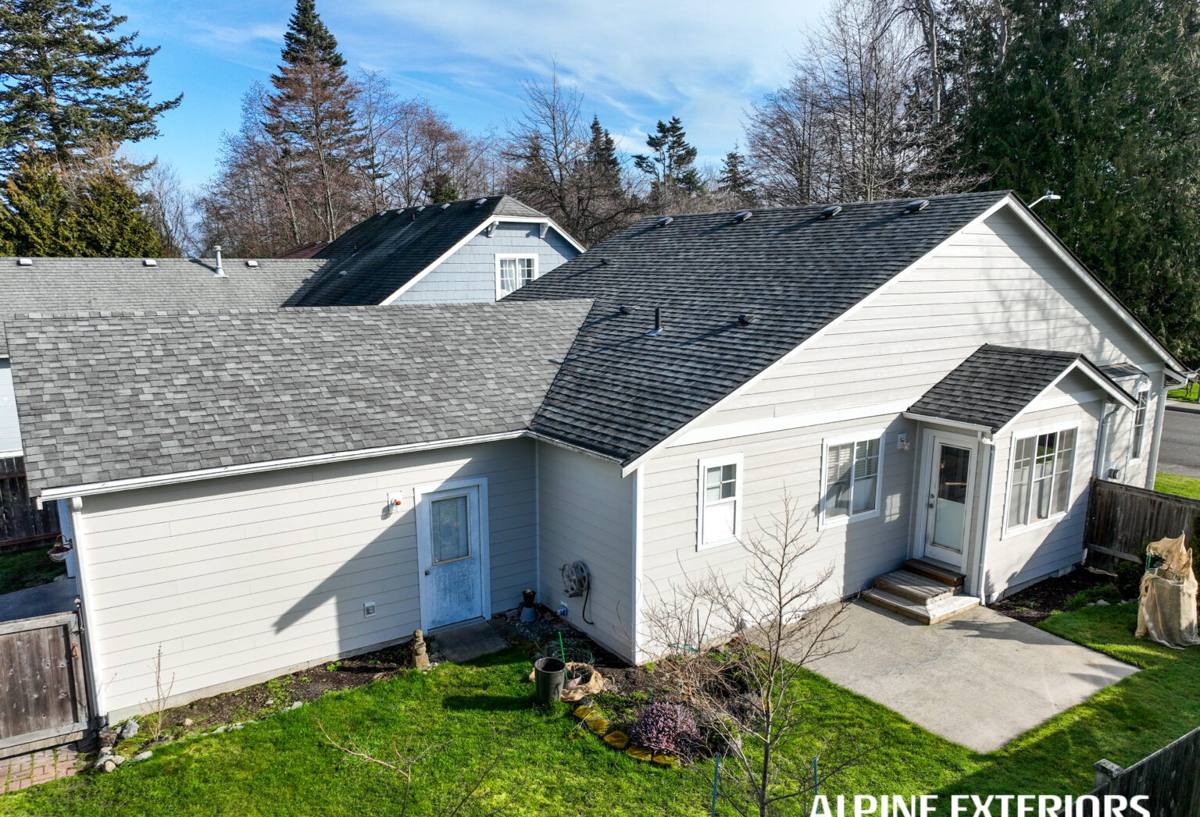
What Sun, Humidity, and Storms Actually Do to Siding
UV and Heat
Florida's UV index runs high most of the year, and that constant exposure degrades pigments and polymers in siding faster than it would in a milder climate. Materials that rely on surface paint or a factory coating not engineered for this level of sun exposure tend to chalk, fade unevenly, or need repainting well ahead of the schedule a homeowner would expect up north.
Humidity and Moisture Cycling
Pinellas County humidity doesn't really let up. Siding that can absorb or trap moisture — through swelling, poor sealing at seams, or moisture getting behind the cladding — stays wet longer here than it would almost anywhere else. That extended damp period is what drives rot, delamination, and mold growth in vulnerable materials.
Wind and Wind-Driven Rain
Thunderstorms roll through Tampa Bay all summer, and named storms are a recurring possibility. Wind doesn't just test how well siding is fastened — it drives rain sideways into laps, seams, and trim details that were never meant to face water head-on. Installation quality at those transition points matters as much as the material itself.
Salt Air
Even set back from Tampa Bay's open water, East Lake gets salt-bearing air on onshore breezes. Salt accelerates corrosion of fasteners and metal trim and can be harsh on coatings that aren't formulated to resist it.
Why We Install Only James Hardie Fiber Cement Siding
We are a James Hardie-exclusive contractor. We do not install vinyl siding, LP SmartSide, Cemplank, Allura, or primed wood products like spruce or cedar lap. That's a deliberate professional standard, not a marketing line, and it's worth explaining honestly.
| Material | Common Trade-off in This Climate |
|---|---|
| Vinyl siding | Can warp or distort in sustained heat, and impact resistance drops in strong wind events |
| Engineered wood (LP SmartSide) | Wood-based core is more moisture-sensitive; edge sealing and maintenance are critical in humid climates |
| Other fiber cement brands (Cemplank, Allura) | Can be reasonable products, but we standardized on one system, one warranty structure, and one factory finish we trust to spec and stand behind |
| Primed wood (spruce, cedar) | Requires ongoing repainting and sealing; rot risk climbs fast in year-round humidity |
| James Hardie fiber cement | Non-combustible, engineered for humid/coastal climates, factory ColorPlus finish reduces repainting cycles |
None of these alternative products are inherently bad — vinyl is inexpensive and easy to source, engineered wood has real strengths in the right climate, and other fiber cement brands make legitimate products. But we install exteriors we're willing to warranty and stand behind for decades, and for Gulf Coast conditions specifically, James Hardie is the one system we've found consistently holds up to spec without excuses.
What Makes James Hardie Different
- Fiber cement core is non-combustible — a real advantage during Florida's dry, high-wind fire risk windows
- ColorPlus factory-baked finish resists Florida's UV load better than field-applied paint and cuts down repainting frequency
- HZ5 and HZ10 product lines are engineered specifically for high-humidity and moisture-cycling climates like ours
- Fiber cement doesn't feed pests the way wood-based products can
- Strong transferable warranty backing, which matters when a home changes hands
How We Approach Siding Work in East Lake
Every project starts with an honest look at the existing exterior — what's failing, what's driving the failure, and whether it's isolated damage or a sign the whole envelope needs attention. In this climate, we pay particular attention to a few details that matter more here than elsewhere:
- Proper flashing and drainage planes behind the siding so wind-driven rain has somewhere to go instead of sitting against the wall
- Correct fastener spacing and type to handle wind uplift in gusts
- Sealed, factory-finished cut edges wherever siding is trimmed on site, since exposed edges are where moisture gets in first
- Attention to trim, soffit, and fascia details, since these smaller components often fail before the main field of siding does
Getting these details right is the difference between siding that performs for decades and siding that looks fine for a few years before problems start showing up.
Beyond Siding: Roofing, Windows, and Decks
Siding doesn't work in isolation — it's one piece of a home's exterior envelope, and in a climate like Pinellas County's, the whole envelope needs to work together. We also handle roofing, window replacement, and deck construction, which lets us look at a home's exterior as a system rather than patching one component while ignoring how it interacts with the rest.
A roof that's shedding water properly, windows that are sealed and rated for wind-driven rain, and siding that's installed to spec all work together to keep moisture out. When one of those fails, it often accelerates wear on the others — a leaking roof can saturate wall assemblies, and poorly flashed windows can undermine even well-installed siding around the openings.
Why a Local Crew Matters for East Lake Homes
Exterior work in this part of Florida isn't the same job as it would be in a drier or milder climate, and a crew that mainly works elsewhere doesn't always carry that context into the details. Knowing how humidity affects cure times, how wind loads factor into fastening schedules, how salt air factors into material choices, and how local permitting and wind-load codes apply to Pinellas County homes all come from doing this work here, repeatedly, not from a generic install process.
Being local also means being reachable after the job is done — for warranty questions, for a follow-up inspection after a major storm, or just for a straight answer about how a home is holding up.
Planning a Siding Project: What to Expect
Timeline Factors
Project length depends on home size, how much of the existing siding and any damaged sheathing needs to come off first, and weather — Florida's rainy season can add scheduling flexibility into a project timeline. A straightforward re-side on an average single-family home is typically measured in days to a couple of weeks; larger or more complex homes take longer.
Cost Factors
| Factor | Why It Matters |
|---|---|
| Home size and wall complexity | More square footage and more corners, gables, and trim details mean more material and labor |
| Condition of underlying sheathing | Rot or moisture damage found during tear-off adds repair scope before new siding goes on |
| Siding profile and accessories chosen | Lap width, trim style, and color selection all affect material cost |
| Access and site conditions | Landscaping, fencing, or tight lot lines can affect labor time |
A Practical Checklist Before You Start
- Get a clear scope of work in writing, including what happens if damaged sheathing is found underneath
- Confirm what siding line, thickness, and finish are being quoted — not just "Hardie" as a generic term
- Ask about flashing and moisture-barrier details, not just the visible siding
- Verify the contractor's license and insurance directly, not just their word
- Understand what's covered under the manufacturer's warranty versus the installer's workmanship warranty
Hiring the Right Contractor for the Job
Because siding failure in this climate is often installation-driven rather than purely material-driven, who installs your siding matters as much as what gets installed. A contractor who understands Gulf Coast humidity, wind exposure, and salt air should be able to explain — specifically — how their flashing details, fastening schedule, and sealing practices address those conditions. If a contractor can't answer that kind of question in detail, that's worth noting before you sign anything.
If you're weighing options for your East Lake home's exterior, we're happy to take a look and give you a straightforward, no-pressure assessment of what's going on with your current siding and what your options look like. There's no obligation — just a free estimate and an honest conversation about what your home actually needs.