 Oldsmar Siding
 Why Safety Harbor Homes Need a Different Approach to Siding
Safety Harbor sits on the edge of Tampa Bay in Pinellas County, and that waterfront location is a mixed blessing for the exterior of a house. The bayfront breeze that makes evenings on the porch pleasant is the same air that carries fine salt particles onto siding, trim, and fasteners day after day. Add in the punishing subtropical sun, seasonal downpours that arrive sideways in a gust, and the occasional direct hit from a tropical system, and you have a climate that is genuinely harder on building materials than most of the country ever deals with.
Homes near downtown Safety Harbor, along the marina area, and in the older established neighborhoods further inland all face a version of the same problem: whatever is on the outside of the house is absorbing UV radiation, cycling through humidity swings, and taking wind-driven rain almost year-round. Some materials shrug this off for decades. Others start showing problems within a few years. Our job as a local contractor is knowing which is which, and being honest about it before the contract is signed.
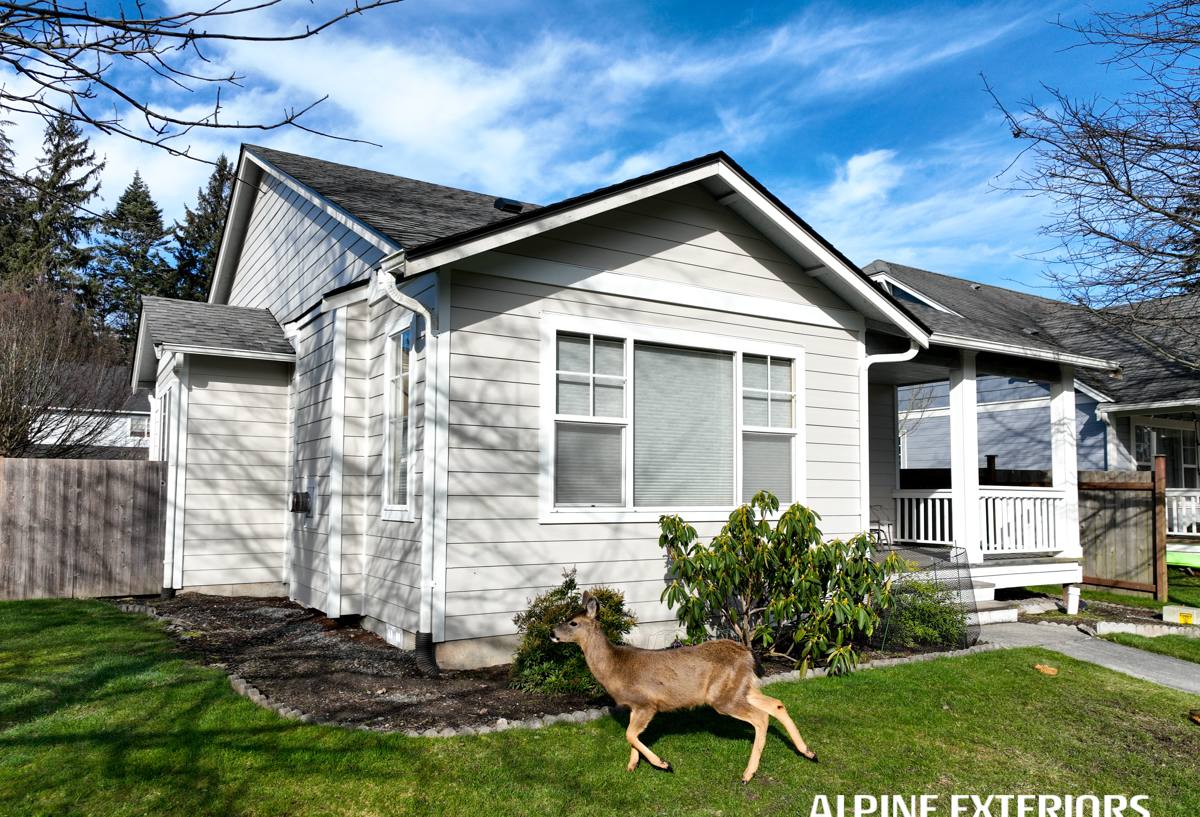
What the Pinellas County Climate Actually Does to Siding
Salt Air and Corrosion
Safety Harbor's spot on Tampa Bay means airborne salt is a constant, low-level presence, not just an occasional coastal event. Salt accelerates corrosion in exposed fasteners, degrades certain paint systems faster than inland exposure would, and can work into seams and joints over time. Materials and installation details that ignore this reality tend to show their age early — chalking, fading, or fastener bleed-through well before a homeowner expects it.
UV Load
Florida's sun is intense and consistent almost every month of the year. Paint and coatings that look fine in a showroom sample can fade, chalk, or become brittle within a handful of Florida summers if they weren't engineered for this UV load specifically. This is one of the biggest differences between a factory-applied finish built for the climate and a field-applied coating that was never tested against it.
Wind-Driven Rain and Moisture
Afternoon storms in this part of Pinellas County don't just fall straight down — wind pushes rain sideways into wall assemblies, especially on gable ends and around window and door openings. Any siding material that swells, wicks moisture, or rots when it takes on water is fighting an uphill battle here. Materials that hold up under repeated wetting and drying cycles, and installation details that manage water rather than trap it, matter more in Safety Harbor than they do in a drier inland climate.
Wind Load
Even away from a direct hurricane strike, this area regularly sees strong tropical-storm-force gusts. Siding that isn't fastened, flashed, and rated for real wind exposure can lift, crack, or fail at the edges long before a full hurricane ever makes landfall nearby.
Why We Install Only James Hardie Fiber Cement
We made a deliberate decision as a company to install one siding system — James Hardie fiber cement — and not vinyl, LP SmartSide, Cemplank, Allura, or primed wood products. That's not a marketing angle; it's a standard we hold ourselves to because of what we see on Gulf Coast homes over time.
Fiber cement is non-combustible and dimensionally stable, meaning it doesn't expand, contract, warp, or rot the way wood-based products can when they cycle through Florida's humidity and heat. James Hardie's HZ5 product line is specifically engineered for high-humidity, storm-prone climates like ours, and its ColorPlus factory finish is baked on and cured under controlled conditions — a meaningfully different process than field-applied paint, and one built to resist the fading and chalking that intense UV causes over time.
That doesn't mean every alternative product is without merit. Vinyl is inexpensive and low-maintenance in mild climates. Engineered wood siding like LP SmartSide has real fans and can perform well when installed and maintained precisely to spec. Our position is narrower than "those products are bad" — it's that after years of installation and repair work on Gulf Coast homes, we've standardized on the system that gives Safety Harbor homeowners the best combination of durability, low maintenance, and long-term value, and we'd rather install one product exceptionally well than several products adequately.
How Our Siding, Roofing, Window, and Deck Services Fit Together
Most homes don't have one weak point — they have several building envelope components that all face the same climate stress. We handle siding, roofing, windows, and decks because a house's exterior works as a system. Flashing at a window needs to tie into the siding correctly. Roof edge details need to shed water away from the wall assembly below. A deck attached to the house needs ledger flashing that doesn't invite rot into the rim joist. Treating these as separate, disconnected projects is how water finds its way into places it shouldn't.
Roofing
A roof in this climate needs to handle uplift from wind gusts and shed heavy rain fast. We look at roofing and siding together on every project, since the transition points between the two are common failure spots if they're not detailed correctly.
Windows
Window flashing and integration with new siding is one of the most common places we find prior water intrusion on older Safety Harbor homes. When we replace siding around existing windows, we pay close attention to how the new material ties into the window's flanges and flashing.
Decks
Outdoor living is a big part of why people love this area, and decks attached to the home need the same moisture-management thinking as the rest of the envelope — proper ledger flashing, appropriate fastener selection for coastal exposure, and materials that won't degrade quickly in full sun.
What a Siding Project Looks Like on a Safety Harbor Home
- On-site assessment of current siding, trim, and any moisture damage or fastener corrosion
- Inspection of window and door flashing, roof-to-wall transitions, and any deck ledger connections
- Removal of old material and repair of any sheathing or framing issues found underneath
- Installation of weather-resistant barrier and flashing details appropriate for wind-driven rain exposure
- Installation of James Hardie fiber cement panels, planks, or trim per manufacturer fastening and clearance specifications
- Final inspection of seams, joints, and paint-line details before walkthrough
Skipping the underlying moisture and flashing inspection is one of the most common shortcuts in this industry, and it's also the one most likely to cause a homeowner problems a few years down the road. We don't consider a siding job complete until what's underneath has been checked, not just what's visible on the surface.
Comparing Siding Options for a Coastal Pinellas Home
| Factor | James Hardie Fiber Cement | Vinyl | Engineered Wood (e.g. LP SmartSide) |
|---|---|---|---|
| Combustibility | Non-combustible | Can soften/deform in high heat | Combustible (wood-based core) |
| Moisture behavior | Dimensionally stable, engineered HZ5 line for humid climates | Doesn't absorb water, but can warp/buckle | Vulnerable if edges/seams aren't sealed correctly |
| UV/color retention | Factory-cured ColorPlus finish | Can fade or chalk over time | Depends on field-applied coating quality |
| Wind performance | Engineered fastening systems, strong wind ratings | Can crack or blow off in high gusts | Good when installed correctly to spec |
| Maintenance | Low; occasional caulk/paint touch-up at trim | Very low, but limited repair options if damaged | Moderate; sealing and moisture checks matter |
| Warranty | Strong transferable manufacturer warranty | Varies widely by product tier | Varies by manufacturer |
Cost Factors Homeowners Should Understand
Every project is different, but a few factors consistently drive cost on Safety Harbor siding jobs:
- Total square footage of wall area and complexity of the home's roofline and trim details
- Condition of the sheathing and framing underneath the existing siding
- Amount of window and door trim work involved
- Whether existing flashing needs to be replaced or upgraded
- Product line and finish selection within the James Hardie system
- Accessibility of the property and any staging or permitting requirements
We'd rather walk a homeowner through these variables in person than quote a number without seeing the house — every property in this area carries its own history of sun, storm, and moisture exposure.
Why a Local Crew Matters
A contractor who works Pinellas County homes regularly already knows what a Safety Harbor gable end has probably been through, what flashing details tend to fail first in this climate, and how local permitting and wind-load requirements apply to exterior work here. That local familiarity shows up in the details — the fastener spacing, the flashing choices, the way trim is sealed — not in anything flashy, just in fewer callbacks and a system that's built to actually hold up to what this coastline throws at it year after year.
If you're weighing a siding, roofing, window, or deck project on a Safety Harbor home, we're glad to take a look and talk through what we see — no pressure, no obligation. Reach out for a free estimate and we'll walk the property with you.