 Oldsmar Siding
 Deck Repair Built for Carrollwood's Gulf Coast Conditions
A deck in Carrollwood doesn't age the way it would in a drier, milder climate. Between Pinellas County's humidity, salt-laden air off the Gulf, intense year-round UV, and the wind-driven rain that comes with every seasonal storm, outdoor structures here take a steady beating that most homeowners underestimate until a board gives way underfoot or a railing post starts to wobble. Deck repair in this area isn't just cosmetic touch-up work — it's about catching moisture and corrosion problems before they become structural ones.
We work on decks throughout Oldsmar and the surrounding neighborhoods, and Carrollwood properties tend to show a fairly consistent pattern of wear tied directly to local conditions. Understanding that pattern is the first step to repairing a deck correctly instead of just patching what's visible.
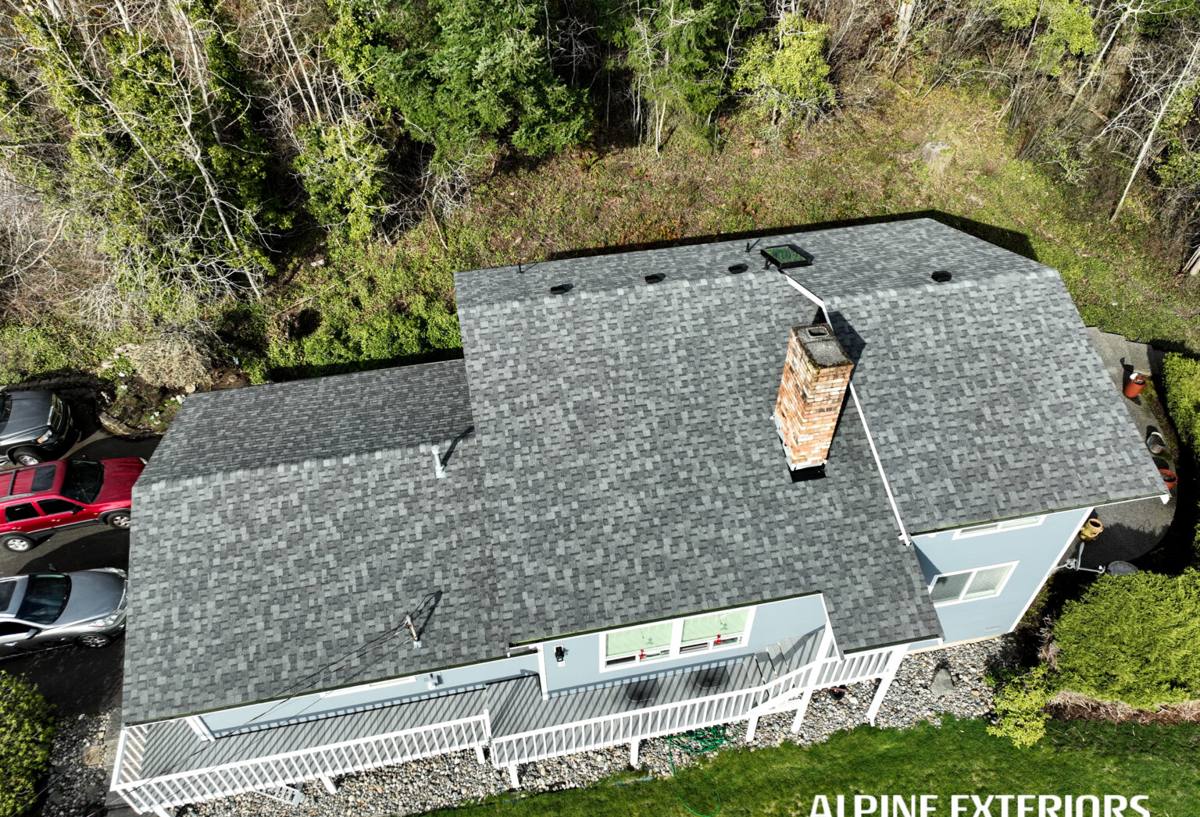
Why Carrollwood Decks Take a Beating
Several climate factors combine here in ways that don't happen in most of the country:
- Hurricane-force winds put lateral stress on railings, guard posts, and ledger board connections — the parts of a deck most likely to loosen over time even without a direct storm hit.
- Wind-driven rain gets pushed sideways and upward under normal weather patterns, reaching joints, fastener heads, and end-grain wood that a straight-down rain would never touch.
- Intense, near-constant UV exposure breaks down wood fibers, dries out sealants, and fades or chalks composite surfaces faster than manufacturers' national averages usually suggest.
- Salt air, even well inland from the coast, accelerates corrosion on fasteners, brackets, and any exposed metal hardware — a slow process that's often invisible until a connection fails.
None of these factors act alone. A fastener weakened by salt air corrodes faster once wind-driven rain starts reaching it regularly, and UV-brittled wood around that fastener splits more easily under wind load. Repairing a deck properly means addressing the combination, not just the symptom you can see.
Common Deck Problems We See in Carrollwood
Wood Decks
Pressure-treated wood decks are common in the area and generally hold up well when properly sealed and maintained, but repair calls typically involve soft or spongy boards near ground contact points, cracked or split boards from repeated wet-dry cycling, rusted or backed-out fasteners, and rot at the ledger board where the deck attaches to the house — often the most serious of these because it affects the whole structure's connection to the home.
Composite Decks
Composite decking resists rot better than wood, but it isn't maintenance-free in this climate. We see fading and surface chalking from UV exposure, warped or bowed boards where drainage underneath the deck is poor, and — most often — failing fasteners, flashing, or the wood substructure underneath the composite surface. The composite boards themselves usually outlast the metal and wood components holding them up.
Signs Your Deck Needs Repair, Not Just a Pressure Wash
A clean deck can still be an unsafe one. Before assuming a wash and reseal will fix things, check for these warning signs:
- Boards that feel spongy, soft, or bounce noticeably when you walk across them
- Visible gaps, splits, or cracks running along the length of a board
- Railings or guard posts that wiggle or shift when pushed
- Rust streaks running down from screw heads or brackets
- Any separation where the deck meets the house at the ledger board
- Stairs that feel less solid than the rest of the deck
- Discoloration or a musty smell near ground-level framing, which often signals hidden moisture or early decay
Any one of these on its own might be minor. Two or more together, especially involving the ledger board or support posts, usually means it's time for a proper inspection rather than a DIY fix.
What a Correct Deck Repair Actually Involves
Structural Inspection First
Before we replace a single board, we check what's underneath: the ledger board connection, the support posts, the joists, and the footings. A deck can look fine on the surface while the framing underneath has been quietly weakening from years of moisture cycling. Repairing surface boards without addressing a compromised substructure is a short-term fix that costs more in the long run.
Fastener and Hardware Standards
Given how fast salt air corrodes standard hardware here, we use fasteners and structural connectors rated for coastal or high-corrosion environments rather than whatever's cheapest at the hardware store. It costs a bit more upfront and saves homeowners from repeating the same repair in a few years.
Matching Materials
Whether we're replacing a handful of boards or rebuilding a section of framing, we match the existing material as closely as possible — same wood species and grade, or a composite profile compatible with what's already installed — so the repair blends in and performs consistently with the rest of the structure.
Repair vs. Replacement: How We Decide
Not every deck problem calls for a full rebuild, but pretending a structural issue is a cosmetic one wastes money in the opposite direction. Here's generally how the decision breaks down:
| Condition | Usually Repairable | Usually Needs Replacement |
|---|---|---|
| Surface boards | Isolated soft spots, cracks, fading | Widespread rot across most of the deck surface |
| Framing/joists | Localized rot near one contact point | Rot or corrosion spread through multiple joists |
| Ledger board | Minor gap, re-flashing and re-fastening | Significant separation or decay at the house connection |
| Railings/posts | Loose fasteners, single damaged post | Multiple posts compromised or code-noncompliant spacing |
| Overall age | Under 10-15 years, maintained regularly | Well past expected service life with recurring issues |
We'll always tell you honestly which category your deck falls into. A repair that only delays an inevitable full rebuild isn't a good use of your money, and we'd rather say so upfront.
Our Deck Repair Process
- On-site inspection. We walk the full deck, check the substructure from below where accessible, and test railings, stairs, and connection points by hand.
- Honest assessment. We tell you what's cosmetic, what's structural, and what can wait versus what shouldn't.
- Written scope and estimate. You'll know what's being repaired, with what materials, and why before any work starts.
- Repair work. Damaged boards, framing, or hardware are removed and replaced with corrosion-resistant fasteners and material matched to your deck.
- Final check. We re-test railings, stairs, and any repaired sections for solidness before calling the job done.
Materials We Use and Why
For wood repairs, we use pressure-treated lumber rated for ground contact where relevant, and we're selective about grade rather than grabbing the cheapest boards available — lower-grade lumber has more knots and inconsistencies that fail faster under this climate's stress. For composite repairs, we match the existing manufacturer's profile where possible so board heights, grooves, and fastening systems line up correctly. In every case, hardware is chosen for corrosion resistance first, cost second — it's the part of the deck most likely to fail quietly, and the least visible part until it does.
Why a Crew That Already Works Carrollwood Matters
Deck repair advice that works in a dry inland climate doesn't automatically hold up here. A crew unfamiliar with Gulf Coast conditions might use standard hardware that corrodes within a couple of years, miss early signs of wind-driven moisture intrusion at a ledger board, or underestimate how fast UV exposure degrades certain sealants and finishes in Florida sun. Working regularly in and around Oldsmar and Pinellas County means we're used to diagnosing these specific failure patterns quickly instead of treating every deck like a generic textbook case. That familiarity translates into repairs that are targeted at what's actually causing the problem, not just what's visibly broken.
Maintaining Your Deck After Repair
A repaired deck still needs regular attention in this climate. Reseal or refinish wood surfaces on a consistent schedule rather than waiting for visible wear, rinse salt residue off periodically if the deck is anywhere near open water or exposed to onshore winds, keep the area underneath the deck clear so airflow can dry out moisture after rain, and do a quick hands-on check of railings and stair connections a couple of times a year. Catching a loose fastener or a small soft spot early is a five-minute fix; ignoring it for a year or two turns it into a much bigger repair.
If you're noticing any of the warning signs above, or just want an honest opinion on your deck's condition, we're happy to take a look. Fill out the form below for a free, no-pressure estimate — we'll tell you exactly what we find and what it would take to fix it right.