 Oldsmar Siding
 Roofing for a Neighborhood That Doesn't Get a Mild Climate
Carrollwood-area homeowners don't get the luxury of a gentle roofing climate. Between the tropical sun beating down nearly every day of the year, the wind-driven rain that shows up with almost every summer storm, and the salt-laden air that drifts in off the Gulf and Tampa Bay, an asphalt shingle roof here works harder than the same roof would in most of the country. Add hurricane season into the mix and you've got a roofing assembly that has to hold up to sustained high winds, not just look good on a sunny afternoon. A roof that's installed correctly for this environment will shrug off years of that abuse. A roof that's installed to a generic national standard, or by a crew that's never worked wind-driven rain conditions, tends to show its weaknesses fast — lifted shingle tabs, leaks around penetrations, and granule loss that ages the roof years before its time.
This page is about one job, done right, in one type of area: asphalt shingle roofing for homes in and around Carrollwood. Not a general overview of every roofing material we offer — just what this specific job requires here, and why the details matter more in this climate than almost anywhere else in the country.
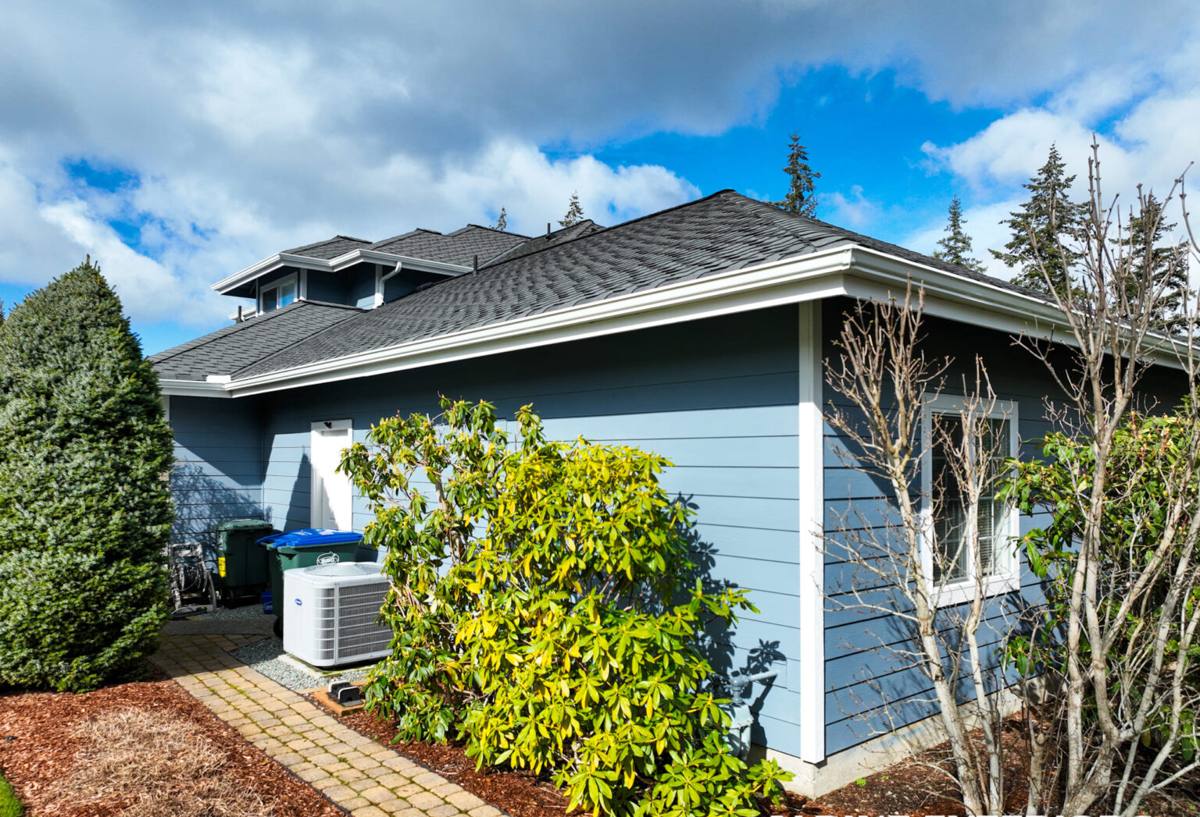
What Local Homes Actually Need From a Shingle Roof
Three environmental forces do most of the damage to Pinellas County roofs over time, and each one calls for a different response in how the roof is built.
UV Exposure
Florida sun bakes asphalt shingles year-round, not just in summer. UV breaks down the asphalt binder over time and drives off the granules that protect it, which is why shingle warranties in this region rarely deliver their full rated lifespan unless the roof also has proper attic ventilation to pull heat out from underneath.
Wind-Driven Rain
It's rarely rain alone that causes leaks — it's rain pushed sideways and upward by wind, forced under shingle tabs, flashing edges, and roof penetrations that weren't sealed with that scenario in mind. A roof that only has to shed water falling straight down is a different, easier job than one that has to resist water being driven uphill under a shingle edge during a storm.
Salt Air
Homes here don't have to sit directly on the water to feel the effects of salt air. It travels inland and slowly corrodes exposed metal — nail heads, flashing, drip edge, and vent stacks. Roofing metal that isn't rated for coastal exposure corrodes faster here than the same part would fifty miles inland, which is one reason material selection for fasteners and flashing matters as much as the shingle itself.
What a Correct Asphalt Shingle Installation Involves
A shingle roof is a system, not a single layer of material. Skipping or shortcutting any one part of that system is usually where the leaks and wind damage start.
Underlayment and Water Barrier
The underlayment beneath the shingles is the roof's real waterproof layer — the shingles are the first line of defense, but the underlayment is what keeps the deck dry if wind ever gets under a tab. In this climate, we treat that layer as non-negotiable, with self-adhering waterproof membrane at eaves, valleys, and other vulnerable spots where wind-driven rain is most likely to find a way in.
Nailing Pattern and Wind Rating
Shingles are only as wind-resistant as their fastening. Florida Building Code sets minimum nailing requirements for high-velocity wind zones, and shortcuts here — too few nails, nails placed wrong, or a nail gun set to the wrong depth — are one of the most common causes of shingles blowing off in a storm that a correctly installed roof would have handled fine.
Flashing and Penetrations
Every place something interrupts the roof plane — chimneys, vent stacks, skylights, sidewalls — is a place water is trying to get in. Correct flashing detail at each of these points matters more than the shingle brand does when it comes to whether a roof actually stays dry through a Florida wet season.
Ventilation
A hot, poorly ventilated attic cooks the underside of a shingle roof from below, shortening its life regardless of how good the shingle itself is. Balanced intake and exhaust ventilation keeps attic temperatures down and helps the roof reach the lifespan it's actually rated for.
Choosing a Shingle for This Climate
Not every asphalt shingle product is built for the same conditions. The table below is a general guide to how the common categories compare for a wind- and sun-exposed Pinellas County home — actual wind ratings and warranty terms vary by manufacturer and product line, so we'll go over the specific options and paperwork for your roof during the estimate.
| Shingle Type | Typical Wind Rating | General Lifespan Range | Best Fit For |
|---|---|---|---|
| 3-Tab (standard) | Lower end of the range | Shorter end of the range | Budget-driven projects on less wind-exposed structures |
| Architectural / Laminate | Mid-to-high range | Mid-to-long range | Most Carrollwood-area homes; better balance of durability and cost |
| Impact-Resistant / High-Wind Rated | Highest available | Longer end of the range | Homes prioritizing storm resilience, sometimes with insurance premium benefits |
Architectural shingles are what we recommend most often in this area. They're heavier, they carry a stronger wind rating than standard 3-tab, and the dimensional profile holds up visually better under years of intense sun. Impact-resistant lines cost more up front but are worth discussing if you're weighing long-term storm exposure or want to ask your insurer about premium credits — that's a conversation worth having before you decide, not after.
Signs a Roof in This Area Needs Attention
Because the climate accelerates wear, it pays to check a roof more often here than the "look at it once a year" advice you'll hear in milder regions. Watch for:
- Shingle tabs that look curled, cupped, or lifted at the edges
- Bare or thin-looking patches where granules have worn away
- Granules collecting in gutters or at the base of downspouts
- Soft spots, sagging, or discoloration on interior ceilings after heavy rain
- Rust streaking or corrosion around vent stacks and flashing
- Missing or visibly damaged shingles after any high-wind event
- Daylight visible through the attic roof deck
None of these alone means a full replacement is due, but any of them is worth a professional look before the next storm season rather than after.
Our Process for a Carrollwood-Area Roofing Job
The steps themselves aren't unusual — what matters is doing each one with this climate in mind rather than rushing to get shingles down.
- Inspection and assessment. We check the deck, existing ventilation, flashing condition, and any signs of past water intrusion before quoting anything — a straight shingle swap over a bad deck or dead ventilation just sets up the next problem.
- Written scope and material selection. You'll get a clear breakdown of the shingle line, underlayment system, flashing plan, and ventilation approach before work starts, not a vague line item.
- Tear-off and deck check. Old roofing comes off down to the deck so we can confirm the plywood or OSB underneath is sound and replace anything that isn't.
- Underlayment and waterproofing detail. Waterproof membrane goes in at eaves, valleys, and other vulnerable areas before the field underlayment is run.
- Shingle installation to code-minimum or better nailing pattern. Fastening follows Florida Building Code wind requirements for this zone, not a generic national minimum.
- Flashing, vents, and final detail work. Every penetration gets flashed and sealed as part of the job, not treated as an afterthought.
- Cleanup and final walkthrough. Magnetic sweep for nails, debris removal, and a walkthrough so you know exactly what was done and what to watch for going forward.
Why a Crew That Already Works This Area Matters
Roofing code, wind zone requirements, and permitting can shift from one Pinellas County jurisdiction to the next, and a crew that's already pulled permits and passed inspections in this specific area knows what the local building department expects before the first shingle goes down. That familiarity also shows up in smaller ways — knowing which roof details tend to fail first on homes of this age and construction type in this part of the county, and building in extra protection at those points instead of finding out the hard way after the next storm. It also means we're not learning wind-driven rain behavior on your roof for the first time; that's a lesson better learned somewhere else, a long time ago.
Keeping a New Roof Performing After Install
An asphalt shingle roof isn't maintenance-free in this climate, even when it's installed correctly. A quick visual check after major storms, keeping gutters clear so water isn't backing up under the eaves, and having a professional look at flashing and seals every few years go a long way toward getting the roof's full rated lifespan out of it rather than losing years to slow, unnoticed water intrusion. If a tree limb comes down or a storm strips shingles in a section, addressing it promptly matters — an exposed deck doesn't stay dry long in this humidity.
If your roof is showing wear, due for replacement, or you just want a straight answer on what condition it's in, we're glad to come take a look. The estimate is free, there's no pressure, and you'll get a clear explanation of what we find — use the form below to get started.