 Oldsmar Siding
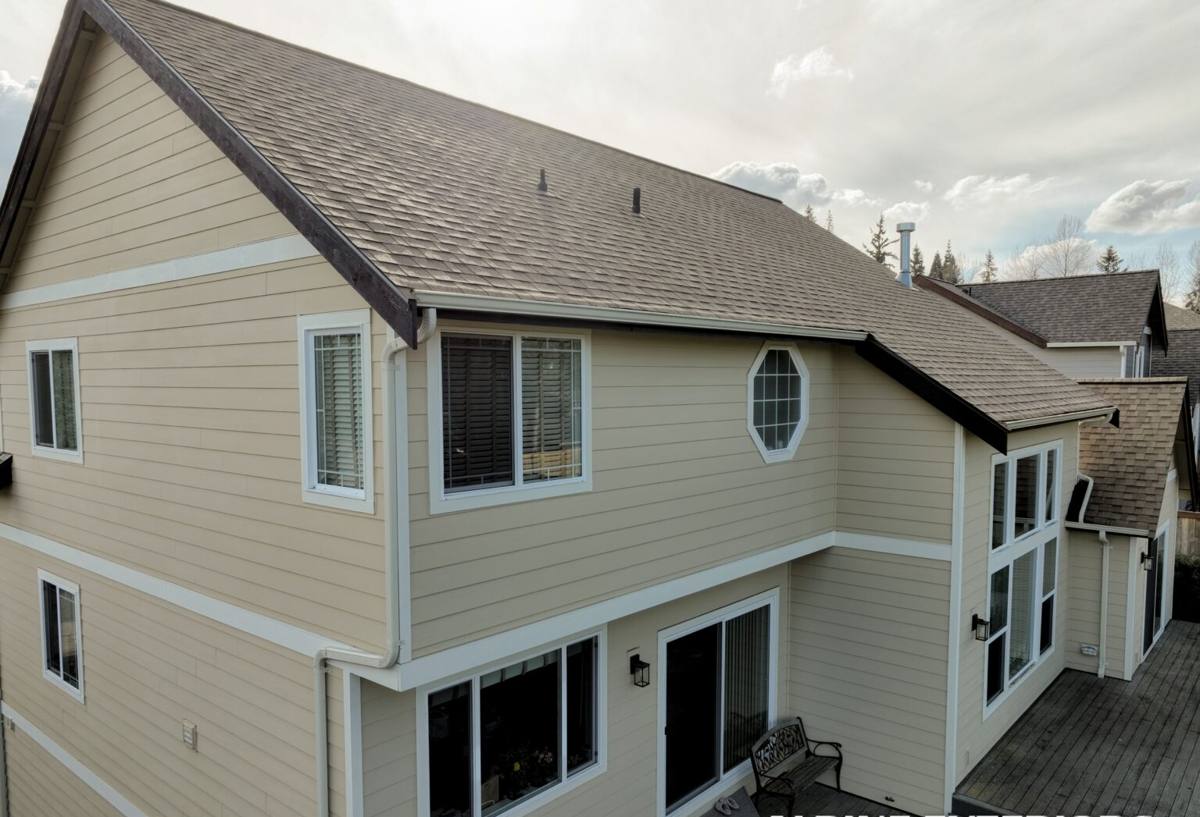
 Siding Replacement for Carrollwood: Built for This Climate, Not a Generic One
Homes in the Carrollwood area take a specific kind of punishment. It's not just "Florida weather" in the abstract — it's hurricane-force wind gusts that test every fastener and seam, intense year-round UV that bakes exposed materials from the south and west elevations, wind-driven rain that gets pushed sideways under laps and around trim, and salt-laden air drifting in off the Tampa Bay region that accelerates corrosion on anything not built to handle it. Siding replacement here isn't a cosmetic project. It's a system decision that determines how your home holds up over the next hurricane season, and the one after that, and the one after that.
This page covers what a siding replacement job for a Carrollwood home should actually involve — not a generic list of siding tips, but what matters for this specific climate and what a crew that regularly works this area does differently.
Why Local Climate Changes the Job, Not Just the Material
Wind Load and Fastening
Wind uplift on siding isn't uniform across a house. Corners, gable ends, and eave lines see the highest pressure during a tropical storm or hurricane, and that's exactly where under-fastened or improperly nailed siding fails first. A correct installation accounts for wind zone requirements with proper fastener spacing and type — not just "enough nails to hold it up on a calm day."
UV Exposure
South- and west-facing walls in this part of Florida take a heavier UV load than most siding materials were originally designed for decades ago. Paint-grade materials fade, chalk, and need repainting on a cycle that most homeowners underestimate. This is one of the biggest reasons product choice matters as much as installation quality.
Wind-Driven Rain
Rain in a Gulf-side storm rarely falls straight down. It gets driven horizontally and pushed up under laps, around window and door trim, and into any gap where flashing was skipped or shortcut. Water intrusion behind siding is one of the most common — and most expensive — problems we find when we tear off old siding on homes in this area.
Salt Air
Even inland from the immediate coastline, salt-laden air moves through the broader Tampa Bay region and accelerates corrosion on fasteners, flashing, and any metal trim components that aren't rated for it. Materials and hardware that work fine in a dry inland climate don't always hold up here.
Signs a Carrollwood Home Needs Replacement, Not Repair
Not every siding problem means a full replacement. But there's a point where patching becomes a losing game, especially with older wood, vinyl, or lower-grade fiber cement products that weren't built for this exposure. Watch for:
- Soft, spongy, or crumbling spots when you press on the siding — usually a sign of moisture damage behind the surface, not just on it
- Visible cracking, buckling, or warping, especially on south- and west-facing walls
- Paint that's failing faster than it should, or chalking heavily between repaints
- Gaps opening up at seams, corners, or trim after storm seasons
- Rust streaking from fasteners or trim, a sign the hardware wasn't rated for this environment
- Rot or discoloration at the bottom courses, near grade, or around window and door openings
- Rising energy bills with no other explanation — failing siding and its underlying moisture barrier affect insulation performance
If you're seeing two or more of these, a proper inspection is worth doing before storm season adds more stress to a wall system that's already compromised.
Why We Install Only James Hardie Fiber Cement
We standardized on James Hardie fiber cement siding, and we don't install vinyl, LP SmartSide, primed wood, cedar, or other fiber cement brands. That's a deliberate professional standard, not a sales pitch, and it comes directly out of what this climate does to a home over time.
Fiber cement is non-combustible, holds paint far longer than wood-based products because of how it's engineered, and doesn't soften, swell, or deteriorate the way wood-based siding can when it takes on repeated moisture exposure — which is exactly the failure pattern we see most often on wind-driven-rain damage in this area. James Hardie's ColorPlus factory finish is baked on and warrantied against fading and chipping, which matters enormously under the UV load a west-facing Carrollwood wall takes every single day. Hardie's HZ5 product line is specifically engineered for high-humidity, high-moisture climates like ours, which is a meaningfully different product than what gets installed in a dry, low-humidity market.
We're not going to tell you every other product is worthless — vinyl is inexpensive and low-maintenance in mild climates, and wood has a warmth some homeowners want. But for what this region does to a wall system, we've made the call that fiber cement, specifically James Hardie's engineered lines, is the product we're willing to warranty our labor against. That's the standard every job on this page is built around.
What a Correct Siding Replacement Involves
The material is only part of the equation. A large share of siding failures we're called out to inspect trace back to installation shortcuts, not the product itself. A correct job includes:
Tear-Off and Substrate Inspection
Full removal of the old siding, not installation over existing material. This is the only way to actually inspect the sheathing underneath for rot, delamination, or prior water damage before it gets sealed behind a new wall.
Weather-Resistive Barrier
A properly lapped and sealed moisture barrier goes on before any siding, with special attention to how laps are oriented against prevailing wind-driven rain direction.
Flashing at Every Penetration
Windows, doors, hose bibs, light fixtures, vents — every penetration through the wall plane needs correct flashing, not just caulk. Caulk is a maintenance item, not a waterproofing system.
Correct Fastening for Wind Zone
Fastener type, length, and spacing need to match manufacturer specs for the local wind exposure, especially at corners and gable ends where uplift pressure concentrates.
Proper Clearances
Siding needs the manufacturer-specified clearance from grade, roof lines, decks, and patios to prevent wicking moisture from the ground or nearby hardscape.
Factory-Finished Color Consistency
ColorPlus prefinished boards mean color is applied and cured under factory conditions, not field-painted, which avoids the uneven fade and touch-up mismatch problems that come with job-site painting.
Cost Factors for a Carrollwood Siding Job
We don't publish blanket prices because every home is different, but these are the factors that actually move the number on a quote. A free on-site estimate is the only way to get a real figure for your home.
| Factor | Why It Matters |
|---|---|
| Home size and wall complexity | More square footage, more corners, dormers, and trim details all increase material and labor time |
| Condition of the substrate | Rot or water damage found during tear-off means sheathing repair before new siding can go on |
| Existing siding type | Removal of old wood, vinyl, or damaged fiber cement takes different time and disposal effort |
| Trim and accessory work | Window and door trim, fascia, soffit, and corner details add labor beyond flat wall coverage |
| Story height and access | Two-story walls and tight lot lines require more scaffolding and staging time |
| Product line selected | Hardie's various plank, shingle, and panel styles carry different material costs |
Our Process for a Carrollwood Siding Replacement
- On-site inspection and estimate — we walk the exterior, check for existing damage, and give you a written scope and quote
- Product and color selection — choosing the right Hardie line and ColorPlus finish for the home's style and sun exposure
- Tear-off and substrate check — full removal of old siding and inspection of the sheathing before anything new goes on
- Repair as needed — any rotted or damaged sheathing gets addressed before the moisture barrier goes back on
- Weather barrier and flashing — installed and lapped correctly for wind-driven rain in this region
- Siding installation — fastened to manufacturer spec for our wind exposure, with attention to corners and penetrations
- Final walkthrough — trim, caulking, and cleanup reviewed with you before we consider the job done
Why a Crew That Already Works Carrollwood Matters
Hiring a contractor who's unfamiliar with the area means relearning things on your job that a local crew already knows going in — how the local permitting process runs, what wind-load and building code expectations apply in this part of Pinellas County and the greater Tampa Bay area, and how homes here typically fail when siding is installed wrong. A crew that's done this work locally also has a faster response window if a storm rolls through mid-project or right after, instead of a company that has to travel in from outside the region.
Local experience also means fewer surprises. We've seen how wood-based siding and lower-grade products perform in this specific combination of sun, salt, and storm exposure over years, not just on paper. That's the difference between a generic siding pitch and a crew that can tell you specifically what your wall assembly needs to hold up here.
What to Look for When Hiring a Siding Contractor Here
- Proper licensing and insurance for exterior contracting work in Florida
- A written scope of work that specifies tear-off, not install-over-existing
- Clear specification of flashing and weather barrier details, not just "we'll seal it up"
- A named, specific siding product line and finish — not a vague "fiber cement" line item
- A manufacturer-backed warranty on materials and a clear labor warranty from the contractor
- References or completed work you can actually verify, not just claims
- A contractor willing to explain trade-offs between products instead of pushing one option without context
If your Carrollwood home's siding is showing wear, failing paint, or storm damage, we're glad to come take a look and give you an honest, no-pressure estimate. Fill out the form below and we'll get you scheduled.