 Oldsmar Siding
 Window Replacement for Carrollwood Homes
Homes in and around Carrollwood face a specific combination of weather stress that most window manufacturers design around but don't necessarily design for: hurricane-force wind events, near-constant UV exposure, wind-driven rain, and salt-laden air moving in off the Gulf. Any one of these on its own is manageable. All four, year after year, wear down window seals, frames, and glass faster than homeowners moving from other regions typically expect. When we replace windows in this area, we're not just swapping out old units for new ones — we're accounting for how this specific climate will treat them over the next fifteen to twenty years.
This page covers what actually goes into a correct window replacement for a Carrollwood-area home: how to tell your current windows are failing, what separates a proper installation from a shortcut job, which window types make sense for this climate, and what the process looks like from estimate to final walkthrough.
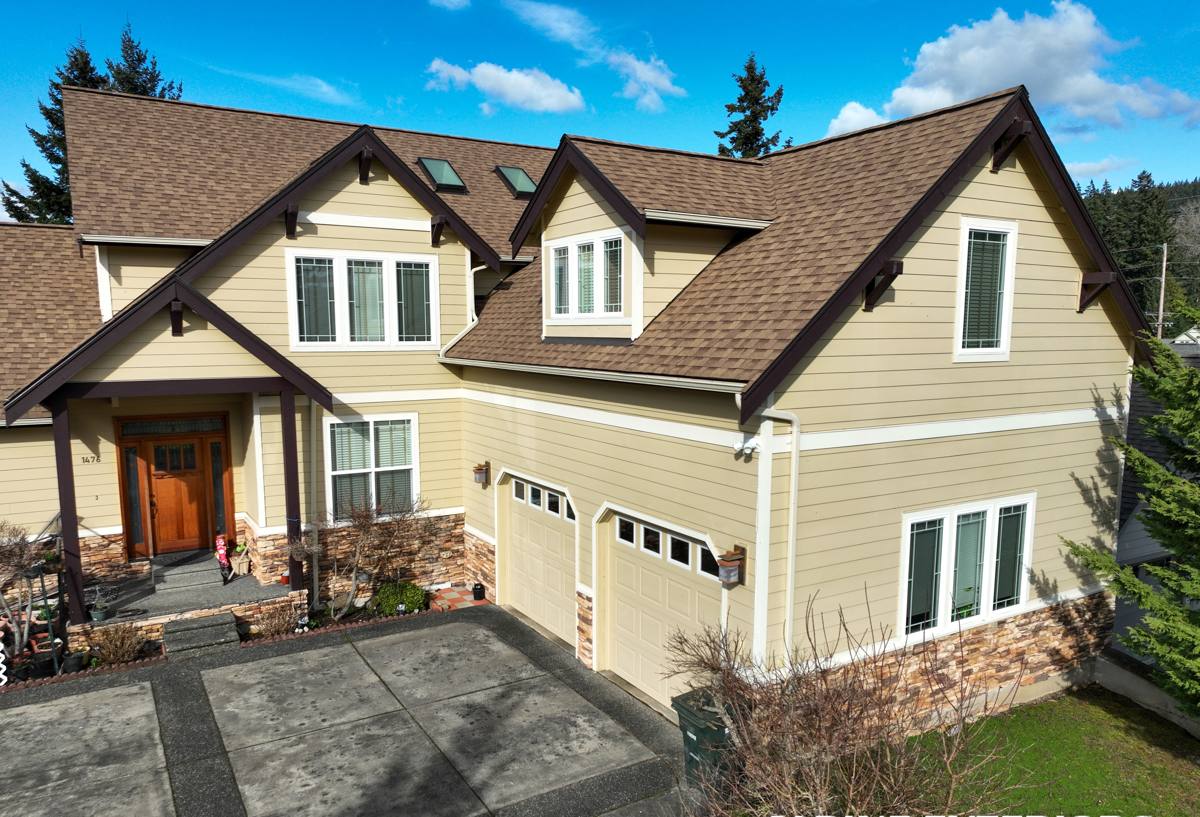
Signs Your Windows Are Due for Replacement
Windows rarely fail all at once. They degrade gradually, and a lot of homeowners live with the symptoms for years before connecting them to the windows themselves. Watch for:
- Fogging or a permanent haze between panes of double-pane glass — this means the seal has failed and the insulating gas has escaped
- Frames that feel soft, chalky, or show visible cracking, especially on the sun-facing side of the house
- Windows that are noticeably harder to open, close, or lock than they used to be
- Drafts or a noticeable temperature difference near the window even with it fully closed
- Water staining, warped trim, or a musty smell around the window frame after heavy rain
- A visible spike in cooling costs during summer months without any other explanation
- Fading carpet, furniture, or flooring near south- and west-facing windows from years of UV exposure
Any one of these can sometimes be fixed without full replacement. Several of them together, especially on a home more than 15-20 years old, usually mean the windows have reached the end of their useful service life.
What Wind-Driven Rain and Salt Air Actually Do to Windows
Wind-driven rain isn't just water hitting glass — it's water being pushed sideways and upward under pressure, which finds any gap in a frame or seal that ordinary rain never would. Older or improperly installed windows that have held up fine in mild weather often reveal their weak points during the first serious wind event. Water intrusion around a window frame doesn't always show up as an obvious leak; it can mean slow moisture accumulation inside the wall cavity that leads to rot or mold long before a homeowner notices a stain.
Salt air, meanwhile, is a slower but equally real problem for anyone within reach of Tampa Bay's coastal air currents. It accelerates corrosion on hardware, hinges, and metal components, and it breaks down certain sealants and finishes faster than they'd wear in an inland climate. Combine that with intense, near year-round UV, which degrades vinyl, weatherstripping, and glazing compounds over time, and you get a climate that's genuinely tougher on window components than most of the country. None of this means windows can't last — it means the materials and installation details matter more here than they would somewhere with milder weather.
What a Correct Installation Actually Involves
The window unit itself only accounts for part of how well a window performs. The installation is where most failures actually originate. A correct job includes:
Proper Removal and Opening Prep
The old window and any deteriorated framing material around it get removed cleanly, and the rough opening gets inspected for hidden water damage, rot, or pest activity before anything new goes in. Installing a new window over a compromised opening just hides a problem instead of fixing it.
Flashing and Water Management
Proper flashing tape and sealant, applied in the correct order (this is often called a "shingle" or layered approach), direct any water that gets past the window itself back outward instead of into the wall cavity. This step is invisible once the job is done, which is exactly why it's the step most often skipped by crews trying to move faster.
Shimming and Squaring
A window that isn't shimmed level and square in the opening will bind, won't seal fully, and will wear out its hardware and weatherstripping faster than it should. This takes extra time per window — but it's the difference between a window that operates smoothly for two decades and one that starts sticking within a couple of years.
Fastening to Manufacturer and Code Spec
Windows in this region need to be fastened according to both the manufacturer's installation instructions and Florida Building Code wind load requirements for the local wind zone. Skipping or under-spec'ing fasteners is one of the most common corner-cutting shortcuts in the trade, and it's also one of the hardest for a homeowner to catch after the fact.
Interior and Exterior Sealing
Low-expansion foam or backer rod and sealant around the frame perimeter, finished with proper caulking on the exterior and trim work on the interior, closes out air and water infiltration points and gives the installation a clean, finished look.
Choosing the Right Window for This Climate
Frame material, glass package, and impact rating all affect how a window performs against Gulf Coast weather over time. There's no single "best" choice for every home — it depends on budget, sun exposure, and how much of the home's exterior is exposed to direct wind and rain. Here's how the common options compare:
| Window Type | Wind/Impact Performance | UV & Heat Handling | Maintenance |
|---|---|---|---|
| Impact-rated vinyl | Strong — laminated glass resists wind-borne debris | Good with Low-E coating; vinyl can fade over decades of direct sun | Low — no painting, minimal upkeep |
| Impact-rated aluminum | Strong — rigid frame holds up well in high wind | Conducts heat more than vinyl unless thermally broken | Low, but watch for corrosion near salt air over time |
| Standard (non-impact) with shutters | Adequate if shutters are deployed correctly every storm | Comparable to impact glass with the right coating | Higher — shutters require storage, upkeep, and manual use |
| Wood or wood-clad | Depends on added protection; not typically impact-rated | Good insulator but degrades faster in humidity and UV | Highest — refinishing and moisture monitoring required |
For most Carrollwood-area homes, impact-rated vinyl with a Low-E glass package is the practical middle ground: it handles wind-borne debris without relying on homeowners to install shutters before every storm, it resists the heat gain that drives up summer cooling costs, and it doesn't require the ongoing maintenance that wood or older aluminum units do. Impact-rated aluminum is a reasonable choice for homes wanting larger sightlines or a more modern look, provided it's a thermally broken frame to control heat transfer.
Cost Factors to Understand Before You Get Quotes
Window replacement pricing varies widely based on a handful of specific factors, and understanding them helps you compare quotes accurately instead of just comparing bottom-line numbers:
- Impact rating: Impact-rated glass costs more upfront than standard glass but removes the ongoing cost and hassle of shutters
- Frame material: Vinyl is typically the most budget-friendly; aluminum and wood-clad options run higher
- Window size and configuration: Large picture windows, sliders, and custom shapes cost more than standard single- or double-hung units
- Number of openings: Whole-house replacement usually has a better per-window cost than replacing a handful at a time
- Existing damage: Rot or water damage discovered in the rough opening adds repair work beyond the window itself
- Trim and finish work: Matching existing interior trim or exterior stucco/siding detail adds labor
- Permit and inspection requirements: Local code compliance is part of the job, not an optional add-on
Be cautious of any quote that's dramatically lower than the others — it's often a sign that impact glass, proper flashing, or code-compliant fastening has been quietly left out to hit a lower number.
Permits, Code, and Wind Requirements
Window replacement in Pinellas County and the surrounding Tampa Bay area falls under Florida Building Code, which sets minimum wind load and water infiltration standards based on local wind zone maps. Permitted work also typically requires inspection before it's considered complete. This isn't paperwork for its own sake — it's the mechanism that confirms the windows actually going into your home meet the standard your area requires, rather than whatever the installer happened to have on the truck. A contractor who pulls permits as a matter of course, rather than treating them as optional, is telling you something about how they run their jobs.
Our Window Replacement Process
- On-site assessment: We look at your current windows, note any signs of water intrusion or frame damage, and talk through what's actually driving the need for replacement — comfort, energy costs, storm protection, or all three.
- Product selection: We walk through frame material, glass package, and impact-rating options based on your home's exposure and budget, without pushing a single "one size fits all" product.
- Written estimate: A clear, itemized quote so you know what you're paying for — no vague lump-sum numbers.
- Permitting: We handle the permit application and scheduling of required inspections.
- Installation: Careful removal, opening inspection, flashing, shimming, code-spec fastening, and full interior/exterior sealing and finish work.
- Final walkthrough: We check operation on every window with you before calling the job done, and pass inspection results along.
Why a Crew That Already Works This Area Matters
A contractor already familiar with homes in the Oldsmar and greater Tampa Bay area brings a practical advantage: they've seen how local wind zones, humidity, and salt exposure actually play out on real houses, not just in a manufacturer's spec sheet. That translates into fewer surprises — knowing which product lines hold up well in this climate, what local permitting actually requires, and how to spot the early signs of water or wind damage that homeowners in less demanding climates might never think to look for. It also means a crew that's accountable locally, not a traveling operation that's gone by the time a warranty issue comes up.
If your windows are showing their age, or you're planning ahead of the next storm season, we're happy to take a look and walk you through honest options for your home. Reach out for a free, no-pressure estimate — the form below only takes a minute.