 Oldsmar Siding
 Why Cedar Still Turns Heads in Oldsmar
Cedar siding has a real appeal. The grain, the warmth, the way it ages into a silvery patina if left unfinished, or holds a rich stain if maintained — it's a genuinely beautiful product, and we understand why homeowners in Oldsmar and around Pinellas County ask about it, especially on craftsman-style homes or waterfront properties where a natural material feels right. This page isn't here to talk cedar down. It's here to lay out, honestly, what owning cedar siding actually involves once it's on a Gulf Coast home — so you can make the call with real information instead of a showroom sample and a sales pitch.
What This Page Is (and Isn't)
We are a siding contractor, and we install James Hardie fiber cement siding exclusively. We don't install cedar. That's a disclosed bias, not a hidden one — and it's exactly why we're going to walk through cedar's trade-offs specifically, rather than just its selling points. Every material has both.
What Cedar Siding Actually Is
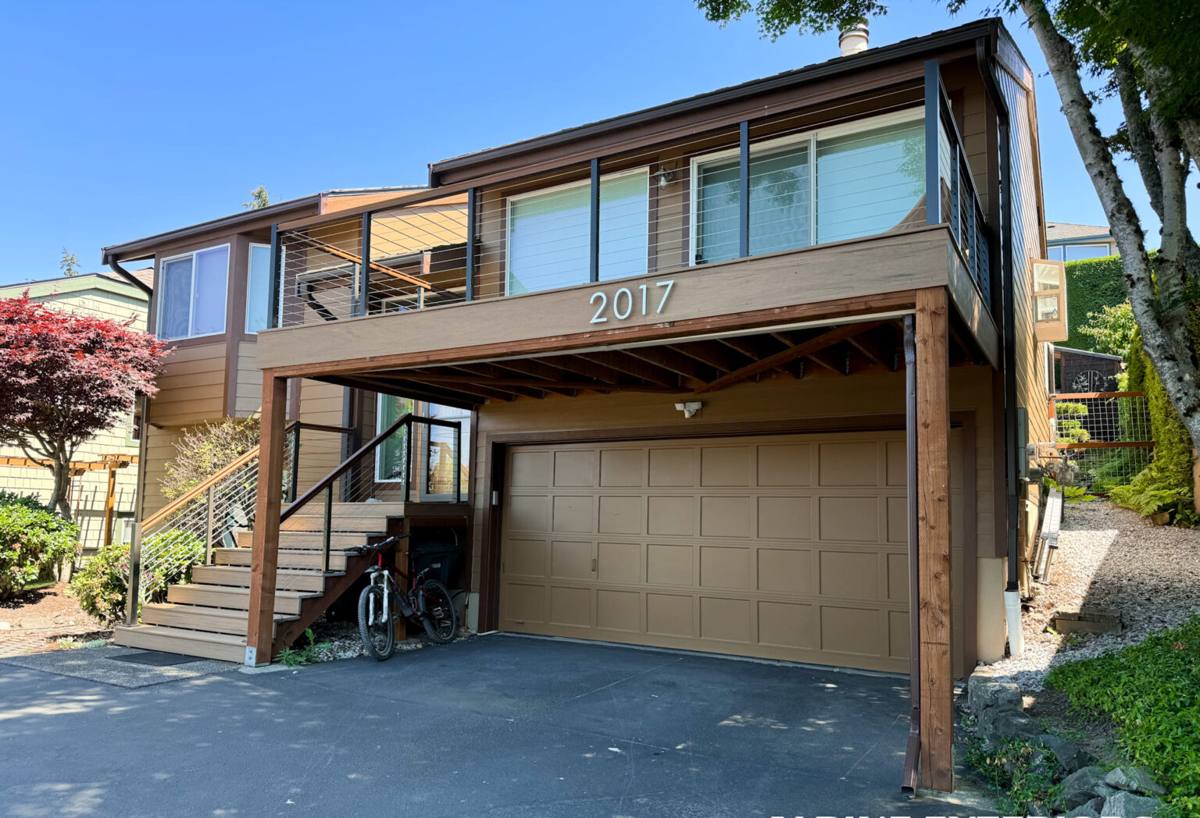
Cedar siding is solid wood, typically Western Red Cedar or Eastern White Cedar, milled into lap boards, shingles, or shakes. Its natural oils give it some inherent resistance to rot and insects compared to other softwoods, which is genuinely true and worth crediting. But "some resistance" is a relative term — cedar is still wood, and wood absorbs and releases moisture constantly. That single fact drives almost everything else on this page.
- Bevel/lap cedar — the classic clapboard look, milled from solid boards
- Cedar shingles — thinner, tapered, often used for accent gables or full elevations
- Cedar shakes — thicker, hand-split texture, heavier and more rustic
All three share the same underlying vulnerability: they are organic material in a climate that alternates between saturating rain and intense sun, sometimes in the same afternoon.
The Florida Climate Cedar Has to Survive
Oldsmar sits on Old Tampa Bay, and homes here deal with a specific combination of stresses that inland, drier climates simply don't produce. Hurricane-force winds drive rain sideways into wall assemblies during tropical systems. Year-round UV breaks down finishes faster than almost anywhere in the continental U.S. Salt air off the bay accelerates the breakdown of coatings and hardware. And the humidity that sits over Pinellas County for most of the year means wood siding rarely gets a long enough dry stretch to fully release the moisture it absorbed during the last rain.
None of that is a defect in cedar. It's just the environment. But it means a maintenance plan that might work fine for cedar siding in Colorado or coastal Maine does not translate directly to a home in Oldsmar. The reapplication intervals shrink, the failure points multiply, and the margin for a missed maintenance cycle gets a lot thinner.
The Real Maintenance Schedule
This is the part most cedar conversations skip. Cedar isn't a "finish it once and forget it" product — it's an ongoing commitment, and in a humid, sun-heavy, storm-prone county, that commitment is more frequent than most homeowners expect going in.
| Task | Typical Florida Interval | Why It Matters Here |
|---|---|---|
| Re-stain or reseal | Every 2-4 years | UV and humidity break down finishes faster than in drier climates |
| Caulking inspection/repair | Annually | Wind-driven rain finds any gap at joints and fasteners |
| Full repaint (if painted, not stained) | Every 4-7 years | Paint traps moisture worse than stain if wood isn't fully dry |
| Inspection for rot/insect activity | Annually, especially after storm season | Damp, shaded areas near landscaping or bay-facing walls are highest risk |
| Board replacement (as needed) | Ongoing, varies by board | Individual boards fail at different rates depending on sun/moisture exposure |
Homeowners who keep to this schedule can get good results from cedar. The honest issue is that the schedule is demanding, and the cost of skipping a cycle isn't cosmetic — it's structural.
Moisture, Rot, and Insect Risk
Cedar's natural oils slow decay, but they don't stop it, and the oils themselves diminish over time as the wood weathers. In a county where afternoon humidity regularly sits above 60-70%, wood siding is absorbing moisture more often than it's fully drying out. That matters most at the details: butt joints, end grain, areas behind shutters or under eaves with reduced airflow, and anywhere landscaping keeps a wall shaded and damp longer than the rest of the house.
Once moisture gets past a compromised finish and into the wood fiber, cedar can develop soft spots, cupping, or splitting, and it becomes attractive to wood-boring insects. Termites are active nearly year-round in this part of Florida, and any organic exterior material is a potential food source if moisture and access line up. This isn't a claim that cedar "rots fast" — well-maintained cedar can last decades. It's a claim that the maintenance is what's carrying that outcome, not the material alone.
Cost Over Time: Cedar vs. Fiber Cement
Cedar's upfront material cost is often comparable to, or sometimes less than, quality fiber cement. The real cost difference shows up over the ownership period, once refinishing labor, board replacement, and insect/moisture repairs are factored in.
| Factor | Cedar Siding | James Hardie Fiber Cement |
|---|---|---|
| Refinishing | Every 2-4 years | Factory ColorPlus finish holds significantly longer; no refinishing on standard repaint cycles |
| Combustibility | Combustible | Non-combustible core material |
| Moisture behavior | Absorbs and releases; prone to cupping/warping over time | Engineered to resist moisture-related warping when installed to spec |
| Insect vulnerability | Reduced but not immune | Not a food source for wood-boring insects |
| Storm/impact resistance | Moderate; depends on board thickness and fastening | Engineered HZ product lines rated for high-wind regions |
| Warranty | Typically limited to the finish product, not the wood itself | Strong transferable manufacturer warranty on the siding |
Neither product is "bad." Cedar's ongoing costs are simply real and recurring in a way that a lot of homeowners don't price into their decision until they're a few years into ownership.
Insurance, Wind Ratings, and Coastal Practicalities
Homes near Old Tampa Bay carry additional practical considerations beyond aesthetics. Wind-rated, storm-tested siding assemblies can matter for both performance in a hurricane and, in some cases, insurance underwriting conversations. Cedar can be installed to reasonable wind standards with correct fastening, but it doesn't carry the same engineered, third-party-tested wind and impact ratings that manufactured fiber cement systems like James Hardie's HZ5 line are built and tested for in hurricane-prone regions. For a bay-facing or exposed lot in Oldsmar, that engineered performance is worth weighing seriously, not as a marketing point but as a practical one.
Why We Standardized on James Hardie Instead
We made a decision as a company to install only James Hardie fiber cement siding, and cedar is one of the products that decision rules out. It's not because cedar is a poor material — it's because, after years of installing and standing behind exterior siding work in this climate, we didn't want to keep putting a product on Florida homes that requires this level of ongoing owner commitment to perform well long-term.
James Hardie fiber cement gives us a non-combustible material, a factory-applied ColorPlus finish that resists Florida's UV and humidity far longer than field-applied stain or paint, engineered HZ product lines built specifically for high-wind, high-moisture climates like ours, and a strong transferable warranty backing the whole system. When we install it to spec, we're not asking a homeowner to commit to a re-staining calendar to keep their siding performing — the maintenance burden drops to routine cleaning and occasional caulking checks, not board-by-board refinishing.
That's the whole reason this page exists. We'd rather be straightforward about why we don't install a product than sell it and let a homeowner discover the maintenance reality three summers later.
A Practical Checklist If You're Still Considering Cedar
If cedar's look is important enough to you that you're weighing it anyway, go in with eyes open. Ask any contractor bidding cedar these questions before you sign anything:
- What re-staining or resealing interval are you actually budgeting for at this house's sun exposure?
- Is the cedar being back-primed and properly flashed at every joint before installation?
- What ventilation gap or rain screen is planned behind the siding to let moisture escape?
- Who is responsible for board-by-board replacement as individual pieces fail over time?
- What does the manufacturer's warranty actually cover — the wood, or just certain finish products?
- How does the assembly perform in wind-driven rain and hurricane-force gusts specific to this coastline?
If a contractor can't answer these clearly, that's worth noting on its own.
Get an Honest Look at Your Home
Every home in Oldsmar carries its own mix of sun exposure, tree cover, and bay proximity, and that changes how any siding material — cedar or otherwise — will actually hold up. If you're weighing your options, we're happy to come take a look, talk through what we see specific to your house, and give you a straightforward, no-pressure estimate for James Hardie fiber cement siding. No sales pressure, just an honest assessment.