 Oldsmar Siding
 Why Decks in the Carrollwood Area Wear Out Faster Than the Manual Says
Every deck manufacturer prints a lifespan estimate on the box, and almost none of those numbers were tested in a Tampa Bay backyard. Between the intense year-round UV exposure, wind-driven rain that gets pushed sideways into framing joints, salt-laden air moving in off the Gulf and the bay, and the occasional hurricane-force wind event, decks in this part of Florida take a beating that decks in milder climates never see. Add in Florida's humidity, which keeps wood and hidden framing damp long after a storm has passed, and it's easy to see why a deck that "should" last 20 years starts failing structurally at 10 or 12.
If you own a home in the Carrollwood area and your deck is starting to feel soft, spongy, or just tired, this page walks through what an honest deck replacement looks like here — not a generic national write-up, but what actually needs to happen for a deck to hold up to this specific climate.
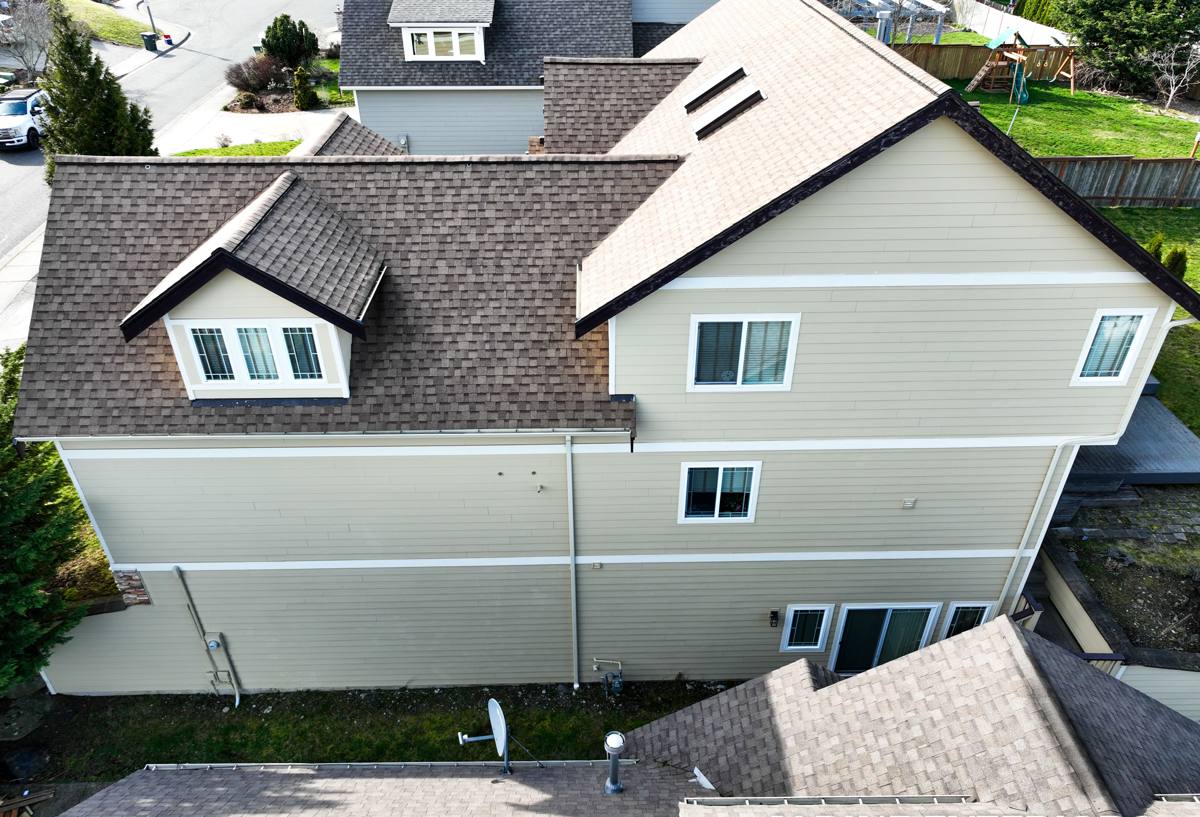
Signs Your Deck Needs Replacement, Not Another Repair
Repairing a board here and there buys time, but at some point patching stops being cost-effective and starts being a safety issue. Here's what tells us a deck is past the point of spot repair:
- Soft or spongy spots in the decking, especially near the house or around post locations
- Visible rot or discoloration at the ledger board — where the deck attaches to the house
- Rusted, corroded, or missing fasteners and connector hardware
- Wobble or movement in the railing or posts when you lean on them
- Gaps opening up between boards, or boards that have cupped and won't lie flat
- A deck that was never properly flashed or permitted in the first place
That last point matters more than most homeowners realize. A lot of older decks in Florida were built without proper flashing at the ledger connection, which is the single most common cause of hidden structural rot. By the time it's visible from the top, the framing underneath has often been wet for years.
What a Correct Deck Replacement Actually Involves Here
A deck replacement isn't just swapping old boards for new ones. In this climate, the parts you can't see are what determine whether the deck lasts 10 years or 25.
Ledger Board and Flashing
The ledger board — the piece that bolts the deck to your house — is the point of highest failure risk in any Florida deck. Wind-driven rain gets forced up and behind poorly flashed ledgers, and once water is inside that wall assembly, rot spreads quietly. A correct installation uses proper flashing, a water-resistant barrier behind it, and structural fasteners rated for the connection — not just deck screws driven into the rim joist.
Footings and Post Bases
Footings need to be sized and set to actual load and wind-uplift requirements, not guessed at. Post bases should hold posts up off the concrete, not bury the wood in standing water after every afternoon storm — ground contact is one of the fastest ways to shorten a post's life in our climate.
Framing Hardware and Hurricane Connections
Joist hangers, hurricane ties, and structural screws all need to be rated for exterior, corrosion-prone environments — stainless steel or heavy hot-dip galvanized, not the bargain-bin coated hardware that starts rusting within a couple of seasons near the bay. Every structural connection matters more here because these decks are built to shed hurricane-force wind loads, not just hold up a grill and some patio furniture.
Choosing the Right Decking Material for This Climate
There's no single "best" decking material — there's the right material for your budget, your maintenance appetite, and how much sun and rain the deck actually sees. Here's how the common options stack up for a Carrollwood-area home:
| Material | Upfront Cost | Maintenance | UV / Fade Resistance | Typical Lifespan Here |
|---|---|---|---|---|
| Pressure-treated pine | Lowest | Annual sealing/staining recommended | Fair — grays and checks without upkeep | 10–15 years |
| Composite decking | Mid-to-high | Low — occasional washing | Good, varies by brand and color | 20–25+ years |
| PVC / capped polymer | Highest | Lowest | Very good | 25–30+ years |
| Tropical hardwoods | High | Moderate — periodic oiling | Fair without treatment | 15–25 years |
Composite and PVC decking have become popular in this region for good reason — they don't rot, they handle wind-driven rain better than solid wood, and they don't need to be refinished every year to survive our UV exposure. That said, pressure-treated pine is still a reasonable choice for homeowners who want the lowest upfront cost and are willing to keep up with sealing. We'll walk you through the real trade-offs for your budget rather than push whatever has the best margin — dark composite boards get noticeably hot underfoot in full Florida sun, for example, which matters if the deck gets afternoon exposure.
Permits, Codes, and Inspections
Deck replacement in this area isn't a weekend project you can skip past the building department. Structural decks require a permit, plans that show footing sizes and connection details, and inspections at the framing stage before decking goes down. Florida's building code exists specifically because of storm risk, and deck framing has to be designed to resist wind uplift and lateral loads, not just support the weight of people standing on it.
Skipping the permit might save a little time up front, but it creates real problems later — unpermitted structural work can complicate a home sale, cause issues with insurance claims after storm damage, and in some cases has to be torn out and redone to close out a real estate transaction. We pull permits and schedule inspections as a standard part of the job, not an upsell.
Our Deck Replacement Process
- On-site evaluation — we assess the existing structure, check the ledger connection and framing condition, and talk through material options for your budget and how the deck gets used.
- Design and permitting — we prepare the plans needed for permit submission, sized to actual load and wind requirements for the structure.
- Removal — the old deck comes out, and we inspect the ledger wall and any framing that was hidden underneath for rot or moisture damage before rebuilding on top of it.
- Framing — footings, posts, beams, and joists go in with corrosion-resistant hardware and proper ledger flashing, built to pass inspection.
- Decking and railing installation — your chosen material goes down, with attention to fastener spacing and drainage so water doesn't pool against the house or framing.
- Final inspection and walkthrough — we confirm the finished deck passes inspection and walk the site with you before calling the job done.
Why Local Experience Matters for This Job
A deck built to a generic national spec sheet is not the same as a deck built for the Tampa Bay area specifically. A crew that regularly works in and around Carrollwood knows which fastener grades hold up against the salt air moving in off the bay, how local building departments want plans submitted, and which materials actually perform once they've sat through a few summers of intense sun and afternoon storms. That kind of familiarity comes from doing this work in this climate repeatedly — not from a manufacturer's brochure.
It also means fewer surprises during the permitting and inspection process, because we already know what our area's inspectors are checking for on deck framing and ledger connections.
Keeping Your New Deck in Good Shape
Once your deck is replaced, a little seasonal attention goes a long way in this climate:
- Rinse the deck surface periodically to clear pollen, salt residue, and organic buildup before it stains or feeds mildew
- Check the ledger flashing and any visible framing connections once a year for signs of moisture or corrosion
- Reseal or re-stain wood decking on the schedule recommended for your specific product — don't wait until it's visibly gray and dry
- Keep gutters and downspouts near the deck clear so runoff isn't dumping extra water onto framing or footings
- After any major storm, do a quick visual check for loose boards, railing movement, or debris trapped against the structure
- Trim back vegetation that traps moisture against posts or framing
If something looks off, catching it early is almost always cheaper than waiting.
If your deck is showing its age or you're planning a full replacement, we're happy to take a look and give you a straight, no-pressure estimate — just fill out the form below and we'll get in touch.