 Oldsmar Siding
 Siding Built for Eastlake Woodlands' Climate
Eastlake Woodlands sits in the rolling, tree-lined part of Oldsmar, and homes here face the same weather every house in Pinellas County contends with: long stretches of intense UV, wind-driven summer storms, and the salt-tinged air that drifts in off Tampa Bay and the Gulf. It doesn't take a direct hurricane hit to wear down a home's exterior in this area — daily sun exposure, humidity swings, and seasonal downpours do plenty of damage on their own, year after year. Siding that looks fine from the curb can be quietly failing underneath if it wasn't built or installed with this climate in mind.
We're a local exterior contractor working throughout Oldsmar and the surrounding Pinellas County communities, and Eastlake Woodlands is a neighborhood we know well — the mix of mature landscaping, moisture-holding shade, and open exposure along the community's golf course frontage creates a range of conditions on a single street, sometimes on a single house. A wall facing full afternoon sun ages differently than a shaded wall a few feet away, and your siding needs to hold up to both.
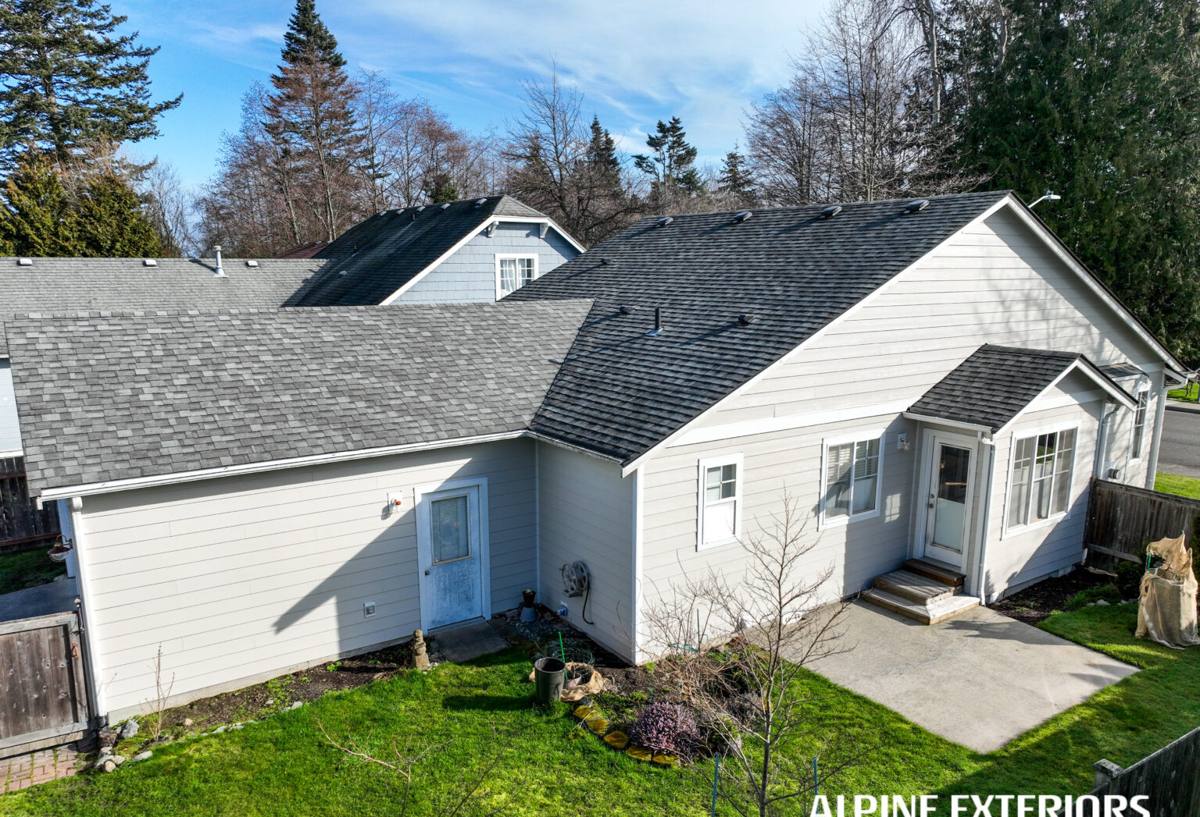
What Eastlake Woodlands Homes Are Up Against
Sun and Heat
Florida's UV load is relentless. Paint fades, caulk dries out and cracks, and lower-grade siding materials can warp or become brittle over years of thermal cycling — hot days followed by cooler, humid nights. South- and west-facing walls typically show wear first.
Wind-Driven Rain
Oldsmar sees strong summer thunderstorms and, in active years, tropical systems that bring sustained wind and horizontal rain. Water doesn't just fall in Florida — it gets driven sideways into seams, laps, and trim joints. Siding and the flashing details behind it need to shed that water, not trap it.
Humidity and Moisture
Pinellas County's humidity stays high most of the year. Any siding material that absorbs and holds moisture is at greater risk of swelling, rot, or mold growth over time, especially in shaded areas near mature trees and landscaping — common around Eastlake Woodlands' wooded, golf-course lots.
Salt Air
Oldsmar isn't beachfront, but it's close enough to Tampa Bay that salt-laden air still reaches inland neighborhoods, especially with onshore wind. Salt accelerates corrosion on fasteners and can degrade lower-quality finishes faster than manufacturers' standard testing accounts for.
Why We Install Only James Hardie Fiber Cement Siding
We made a decision early on to install one siding system on every home we work on: James Hardie fiber cement. That means we don't install vinyl siding, LP SmartSide, Cemplank, Allura, or primed wood products like spruce or cedar — not because those products don't have their place in the industry, but because after years of exterior work in this climate, we don't think they hold up as well here, or we've found the trade-offs aren't worth it for our customers.
Fiber Cement vs. the Alternatives
| Material | How It Holds Up in Pinellas County | Common Trade-Off |
|---|---|---|
| James Hardie Fiber Cement | Non-combustible, engineered for humid climates, factory-baked finish resists fading | Higher upfront cost, requires skilled installation |
| Vinyl Siding | Can warp or become brittle under sustained UV and heat cycling | Lower cost, but shorter realistic lifespan in full-sun exposure |
| LP SmartSide / Engineered Wood | Wood-based core is more moisture-sensitive; needs diligent caulking and paint upkeep | Good appearance, but higher long-term maintenance in humid coastal air |
| Primed Spruce or Cedar | Natural wood movement and moisture absorption are ongoing concerns near shaded, humid lots | Classic look, but demands frequent repainting and sealing |
We're not saying these products can't be installed correctly or don't work for some homeowners elsewhere. We're saying that for the specific conditions we see on Oldsmar exteriors — heat, humidity, wind-driven rain, and salt air, sometimes all in the same week — fiber cement has consistently been the material that holds its finish, resists moisture damage, and needs the least ongoing maintenance from the homeowner.
James Hardie's ColorPlus Finish and HZ Product Lines
James Hardie's ColorPlus Technology bakes the color onto the board in a factory setting, in multiple coats, before it ever reaches the job site. That's a meaningful difference from field-painted siding, where the finish quality depends heavily on weather conditions during installation and how evenly the paint is applied. A factory finish resists fading and chipping better and comes with its own finish warranty separate from the substrate warranty.
Hardie also engineers its siding by climate zone — the HZ5 product line is formulated for regions like ours that see high humidity and moisture exposure, as opposed to the HZ10 line built for drier, colder climates. That distinction matters more than it sounds: a board engineered for the wrong climate zone can perform worse over time even if it looks identical on install day.
Why a Local Crew Matters for This Neighborhood
Installation quality is what actually determines how well any siding performs — the best material in the world fails early if it's hung wrong. A local crew that works throughout Oldsmar and greater Pinellas County brings a few practical advantages to a job in Eastlake Woodlands:
- Familiarity with how local wind exposure and tree cover affect flashing and drainage details on similar homes nearby
- Knowledge of Pinellas County permitting and inspection requirements without delays from out-of-area contractors learning the process
- Faster response for follow-up questions, warranty service, or storm-related concerns since we're not driving in from another market
- An understanding of the area's mixed sun/shade lot conditions, which changes where extra attention to moisture management is warranted
Correct James Hardie installation follows specific manufacturer requirements: proper fastener spacing and type, correct clearance from the roofline and ground, sealed and flashed joints, and manufacturer-specified gaps at butt joints to allow for expansion. Skipping or rushing these details is the single biggest reason fiber cement siding underperforms — not the material itself.
Beyond Siding: Roofing, Windows, and Decks
Siding is rarely the only exterior system under stress in this climate. We also handle roofing, windows, and decks, because these systems work together to keep water out and keep a home protected. A few common connections we look at on every job:
Roofing
Roof-to-wall flashing is one of the most common failure points during wind-driven rain. If your roof is due for attention while we're addressing siding, it's worth evaluating both at once so the transition details are handled correctly the first time.
Windows
Window flashing and the siding around window openings need to integrate properly, or water finds its way behind the wall assembly regardless of how good the siding itself is. This is a common gap when siding and windows are installed by different crews years apart without coordination.
Decks
Decks in shaded, humid lots — common around Eastlake Woodlands' wooded areas — face their own moisture and rot concerns, separate from but related to the same climate stresses your siding deals with.
What a Siding Estimate Looks Like
Every home is different, and a real estimate requires an on-site look at your specific walls, trim, and existing conditions. That said, homeowners evaluating siding replacement generally want to understand a few cost factors up front:
- Total square footage of exterior wall area and the home's overall shape (more corners and trim detail add labor)
- Current siding material and whether removal, disposal, and any substrate repair is needed
- Board profile selection — lap siding, shingle-style panels, or a mix with trim accents
- Color and finish selection from Hardie's ColorPlus palette versus a field-applied finish
- Site access and any additional prep, such as landscaping adjustments near the foundation line
We'll walk your property, point out anything we see — moisture damage, failing caulk joints, rot at trim boards — and give you a straightforward, itemized estimate. No pressure, no inflated urgency tactics.
Signs Your Current Siding May Be Struggling
A few things worth checking before they become bigger problems:
- Soft or spongy spots when you press on siding near the bottom of walls or below windows
- Visible warping, buckling, or gaps at seams and corners
- Paint that's peeling, bubbling, or chalking heavily to the touch
- Persistent staining or dark streaking that doesn't wash off, which can indicate moisture intrusion behind the surface
- Fastener heads showing rust or corrosion, especially on homes closer to open, wind-exposed lots
None of these mean you need a full replacement automatically, but they're worth having a professional look at before the next storm season.
Let's Take a Look at Your Home
If you're in Eastlake Woodlands or elsewhere in Oldsmar and want an honest read on your siding — whether it needs full replacement, repair, or just a few years of monitoring — we're happy to come take a look. Use the form below to request a free, no-pressure estimate and we'll get back to you to schedule a time that works.