 Oldsmar Siding
 Siding Built for the Way Largo Actually Weathers
Largo sits in the middle of Pinellas County, close enough to Tampa Bay and the Gulf to feel the effects of both. Homes here deal with a specific combination of stressors: long stretches of intense subtropical sun, sudden wind-driven downpours, salt-laden air moving in off the water, and the real possibility of hurricane-force winds during storm season. None of that is unique to any one street or subdivision in Largo — it's the baseline every exterior surface in this part of Florida has to survive, year after year, without a break.
We work out of Oldsmar and cover the surrounding Pinellas County communities, including Largo, because the exterior problems homeowners face here are consistent enough that a contractor who understands the region can do meaningfully better work than one who doesn't. Siding, roofing, windows, and decks all take the same beating in this climate, and they all need to be installed and maintained with that in mind.
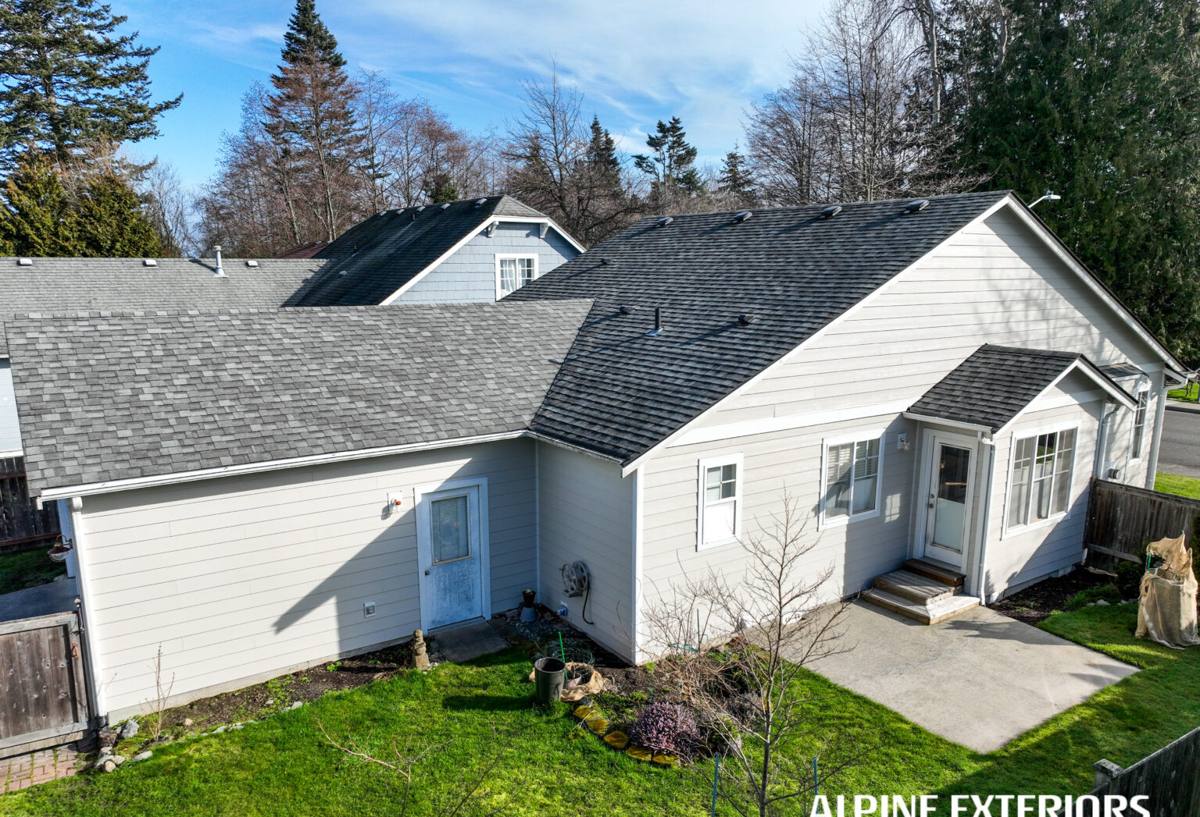
What Largo's Climate Actually Does to a House
UV Exposure
Florida gets more direct sun, more days per year, than almost anywhere else in the continental U.S. On siding, that UV load breaks down pigments and resins over time. Paint fades unevenly — south- and west-facing walls go first — and lower-quality substrates can chalk, crack, or become brittle years before a homeowner expects to be dealing with an exterior project.
Wind-Driven Rain
Rain in this region rarely falls straight down. Afternoon storms and tropical systems both drive water sideways, which means siding has to shed water horizontally, not just vertically. Poor flashing, gapped seams, or the wrong housewrap detail behind the cladding lets that wind-driven moisture find its way to the wall sheathing, where it does damage no one sees until there's a soft spot or a mold smell inside.
Salt Air and Humidity
Largo isn't beachfront, but it's close enough to Tampa Bay that salt aerosol still reaches homes, especially on breezy days. Combined with Florida's near-constant humidity, that salt content accelerates corrosion on fasteners, trim, and any metal components in the wall assembly, and it keeps organic growth — algae, mildew — more active on exterior surfaces than in drier climates.
Hurricane-Force Wind
Pinellas County sits in a wind-borne debris region under Florida's building code, and Largo is no exception. Siding here has to be rated and installed to hold up against sustained high winds and the pressure changes that come with a storm passing through, not just look good on a calm day.
Why We Install Only James Hardie Fiber Cement
We made a decision, as a company, to stop offering vinyl siding, LP SmartSide, and other engineered-wood or composite products, even though we could install any of them. We install James Hardie fiber cement exclusively. That's not a marketing angle — it's a response to what we've seen happen to other siding materials specifically in this climate.
Vinyl softens, warps, and can crack under sustained heat and UV, and it has real limits in high-wind exposure unless the installation is unusually careful. Engineered wood products rely on a factory coating and sealed edges to keep moisture out; in a climate with this much humidity and wind-driven rain, any breach in that seal — a cut edge, a fastener hole, a joint that wasn't caulked correctly — opens the door to moisture absorption and swelling. Fiber cement doesn't share that vulnerability. It's a cement-and-cellulose composite that doesn't burn, doesn't attract termites, and doesn't swell or rot the way wood-based products can when moisture gets past the surface.
James Hardie also engineers specific product formulations for different climate zones, which matters more in Florida than in most of the country.
HZ5 Engineering for This Region
James Hardie's HZ5 product line is engineered for high-humidity, high-moisture climates like ours, with a formulation designed to resist moisture-related damage in exactly the conditions Largo sees for most of the year. It's not a generic siding product with a Florida label slapped on — the manufacturing spec itself is built around this region's weather.
ColorPlus Factory Finish
Rather than relying on field-applied paint, James Hardie's ColorPlus finish is baked on at the factory in multiple coats, under controlled conditions, and backed by its own finish warranty. In a market with this much UV exposure, a factory finish that's engineered specifically to resist fading holds its color longer than most site-applied paint jobs, and it removes a major point of installer error.
Hardie Product Lines We Install
| Product | Typical Use | Why It Fits Largo Homes |
|---|---|---|
| HardiePlank Lap Siding | Primary wall cladding | Most common Florida siding profile; holds paint/finish and resists wind-driven rain when lapped and flashed correctly |
| HardieShingle | Accent gables, dormers | Gives a textured, coastal look without the moisture risk of real wood shingle |
| HardiePanel | Vertical siding, porch ceilings | Clean modern lines, resists sagging and warping in humidity |
| HardieTrim | Fascia, corners, window/door trim | Won't rot at cut edges the way wood trim does in wet climates |
| HardieSoffit | Vented and non-vented soffit | Non-combustible, holds up under eave-level moisture and salt exposure |
Installation Detail Matters More Here Than the Brand Name
Fiber cement siding is only as good as the installation behind it, and in a wind-driven-rain climate, the details most homeowners never see are the ones that decide whether siding lasts 30 years or fails at year eight.
- Water-resistive barrier: a correctly lapped and taped housewrap behind the siding, not just stapled on and left at that
- Flashing at every penetration: windows, doors, hose bibs, and vents all need proper flashing so wind-driven rain can't track behind the siding
- Correct fastener pattern: James Hardie specifies fastener spacing and placement for wind resistance; skipping or mis-spacing fasteners undermines the wind rating entirely
- Proper clearance: siding held above grade, roof lines, and decks per manufacturer spec, so it isn't sitting in standing water or trapped moisture
- Caulking and joint treatment: done to Hardie's published details, not generic best guesses
We install to James Hardie's published specifications because that's what keeps the product's real-world performance and its warranty coverage intact. A product installed off-spec loses both.
Beyond Siding: Roofing, Windows, and Decks
Siding doesn't fail in isolation. A roof leak, a failed window seal, or a rotting deck ledger board all put moisture into the same wall systems that siding is supposed to protect. Because we handle roofing, windows, and decks in addition to siding, we look at a Largo home's exterior as one connected system rather than four separate trades that don't talk to each other.
Roofing
The roof is the first line of defense against both UV and wind-driven rain. Roofing issues — failed flashing at a chimney or wall intersection, worn underlayment — often show up first as a siding or interior problem, even though the roof is the actual source.
Windows
Window flashing and siding installation are directly connected. If the window opening isn't flashed correctly before siding goes on, no amount of good siding work fixes the moisture path behind it. Impact-rated, properly sealed windows also matter for the wind-borne debris standards that apply throughout Pinellas County.
Decks
Ledger board attachment to the house is one of the most common places for hidden rot to develop, since it's a wood-to-wall connection that's constantly exposed to moisture. When we build or repair a deck, we make sure that connection is flashed and sealed the same way we'd treat any other penetration in the wall.
Signs a Largo Home's Siding Needs Attention
- Fading or chalking that's noticeably worse on south- or west-facing walls
- Soft spots, bubbling, or visible swelling, especially near the bottom courses or around windows
- Persistent mildew or algae streaking that comes back quickly after cleaning
- Gaps, cracking, or separation at seams and corners
- Nail heads popping or rust staining coming through the finish
- Musty smells or discoloration on interior walls that share an exterior wall with visible siding damage
Any one of these on its own might be minor. Several together, especially on a home more than 15-20 years old, usually means it's worth having someone look at the whole wall assembly, not just patch the visible symptom.
What a Free Estimate Looks Like
When we walk a Largo property, we're looking at more than the siding surface. We check for signs of moisture intrusion, evaluate flashing at windows, doors, and rooflines, and look at how the existing siding has held up against sun and wind exposure on each side of the house. That tells us whether a full replacement makes sense, where problem areas are concentrated, and what the project actually requires — not a generic square-footage guess.
Cost Factors Homeowners Should Expect to Discuss
| Factor | Why It Affects the Estimate |
|---|---|
| Home size and wall complexity | More corners, gables, and dormers mean more cutting, trim, and labor |
| Existing wall condition | Rotted sheathing or damaged framing found during tear-off adds repair scope |
| Product selection | HardiePlank vs. HardieShingle accents vs. mixed profiles changes material cost |
| Trim and detail work | Custom trim around windows, corners, and rooflines adds labor time |
| Access and site conditions | Fencing, landscaping, or limited access can affect scheduling and labor |
Why a Local Crew Is Worth Insisting On
A crew that works regularly in Pinellas County knows what Largo's wind exposure and humidity actually require, instead of applying generic installation habits from a drier or calmer climate. That familiarity shows up in the small decisions — how tight to run a flashing detail, how much clearance to leave at grade, which corners of a house need extra attention because of prevailing wind and rain direction. It also means a local warranty conversation stays local: someone who knows the property and the work can be reached without the run-around of a call center or a crew that's moved on to another state.
If you're weighing a siding project, or want a straight opinion on whether your current siding still has life in it, we'll come take a look and give you a free, no-pressure estimate.