 Oldsmar Siding
 What Carrollwood Roofs Are Up Against
A roof in Carrollwood does more work than a roof almost anywhere inland. It sits under intense, near-constant Florida sun, gets hit by wind-driven rain during summer storms, and has to survive the occasional direct run-in with hurricane-force wind gusts. Add the salt-laden air that moves through this stretch of the Tampa Bay region and you have a combination that ages roofing materials faster than most manufacturers' warranty literature assumes. None of that means every roof here fails early — it means the margin for a sloppy installation is smaller than it is in a milder climate. A shingle that's slightly under-nailed, a flashing detail that's slightly wrong, or an underlayment that's slightly too thin will show its weakness here years before it would somewhere with calmer weather.
That's the lens we use on every new roof installation we do in this neighborhood: not "will this pass inspection today," but "will this still be doing its job in year twelve after a dozen summer storms and a few real wind events."
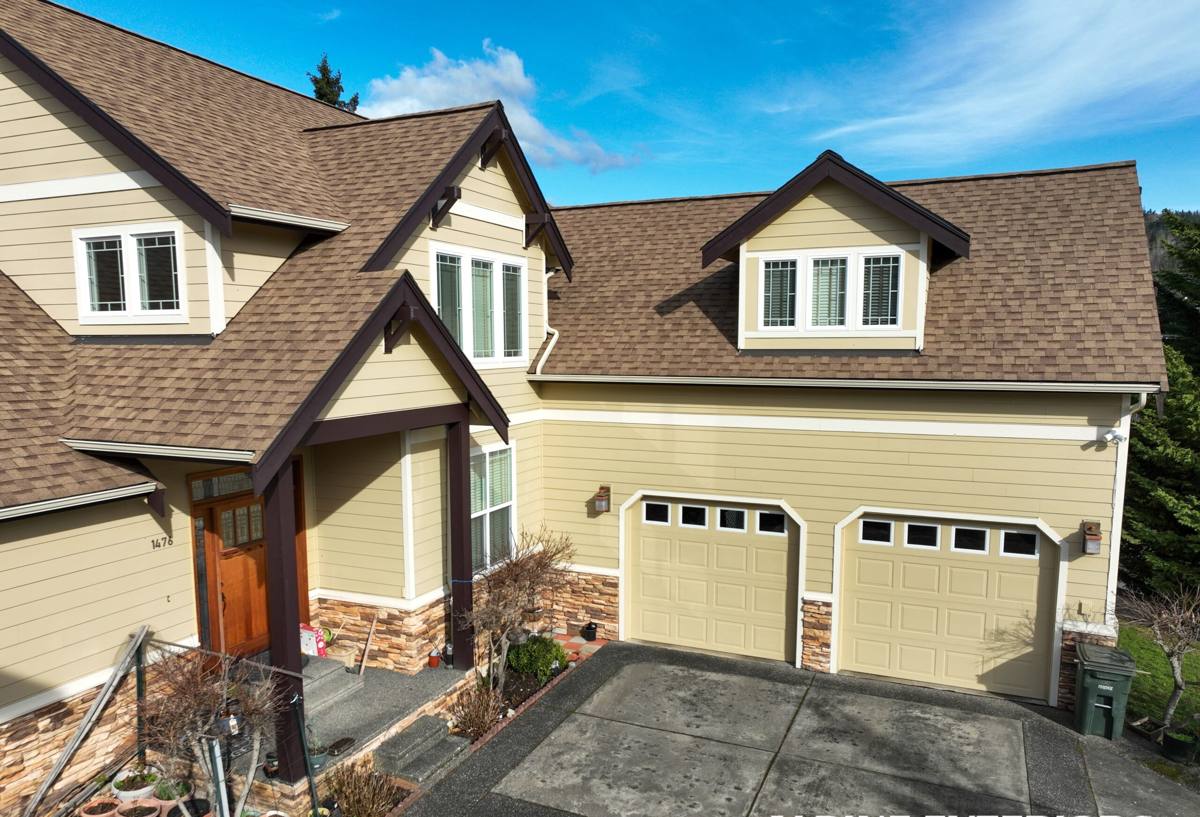
Signs a Carrollwood Home Needs a New Roof, Not Another Repair
Not every roof problem calls for full replacement. But there's a point where patching becomes a waste of money, and pushing past that point usually costs more in interior damage than the roof itself would have cost. Warning signs worth taking seriously include:
- Shingles that are cupping, curling, or losing their granules in patches rather than just around the edges
- Multiple soft spots or visible sagging when you look down the roofline from the ground
- Daylight visible through the roof deck from inside the attic, or damp insulation after rain
- Repeated leaks in different spots after storms, especially if a previous repair didn't hold
- A roof that's past 18-20 years old on asphalt shingles, even if it "looks fine" from the street
- Missing or lifted shingles after wind events, particularly along ridges and roof edges where uplift concentrates
If you're only seeing one or two of these and the roof is younger than 15 years, a repair may genuinely be the right call. We'll tell you that directly rather than push a replacement you don't need yet.
What a Correct Installation Actually Involves
It's Not Just the Shingles
The visible roofing material gets all the attention, but it's the layers underneath that determine whether a roof survives a bad summer or a real storm. A full, correct installation includes inspecting and, where needed, replacing the roof deck itself, installing a proper underlayment system (including a self-adhering secondary water barrier at vulnerable points), detailing flashing at every penetration and transition, and finishing with ventilation that actually moves air through the attic rather than just looking like it does on the plans.
Skipping or shortcutting any one of these doesn't usually show up on day one. It shows up two or three years later as a leak that seems to come from nowhere, because the failure point isn't the shingle field — it's almost always a flashing detail, a valley, or a penetration that wasn't properly sealed and layered.
Material Options for This Climate
| Material | Typical Lifespan Here | Wind Performance | Best Fit |
|---|---|---|---|
| Architectural (dimensional) asphalt shingles | 20-30 years | Good, when installed with the correct nailing pattern and rated for high wind | Most Carrollwood homes; best balance of cost, appearance, and durability |
| 3-tab asphalt shingles | 15-20 years | Lower wind resistance than architectural shingles | Budget-driven jobs; we're upfront that they hold up less well here |
| Standing seam metal | 40-50+ years | Excellent when properly fastened | Owners planning to stay long-term and wanting to minimize future re-roofs |
| Concrete or clay tile | 30-50+ years (tile itself); underlayment usually needs replacement sooner | Very good, but individual tiles can crack or dislodge in severe wind and need prompt repair | Homes already built for tile weight, or matching an existing tile roofline |
We don't push one material on every home. The right choice depends on your roof's structure, how long you plan to stay in the house, your budget, and what the rest of the street looks like. We'll walk through the honest trade-offs of each rather than just quoting the option with the best margin.
Wind, Code, and Insurance Considerations
Florida's building code sets minimum requirements for wind uplift resistance, secondary water barriers, and fastening patterns, and those requirements are stricter than what many older Carrollwood roofs were built to when they were first installed decades ago. A new roof installation brings the home up to current code automatically — that's not optional, and it's one of the real benefits of replacing an aging roof rather than continuing to patch it.
It's also worth knowing that a new roof, done to current wind-mitigation standards, can affect your homeowners insurance premium. Insurers in this part of Florida weigh roof age and roof shape heavily. We can provide the documentation (permit, inspection sign-off, and material specs) your insurance company will typically ask for, but we'd encourage you to confirm the specific discount details with your own carrier since those programs vary and change.
Ventilation and Attic Heat
Florida attics run hot. Without enough intake and exhaust ventilation, that heat gets trapped, which shortens shingle life from underneath and can push cooling costs up. A correct new roof installation includes checking existing ridge and soffit ventilation and correcting it if it's undersized or blocked — something that's easy to overlook when the focus is only on what's visible from the street. Balanced ventilation also reduces moisture buildup in the attic, which matters in a climate this humid.
Our Installation Process
A new roof is disruptive by nature — it involves noise, a dumpster in the driveway, and crews on your roof for more than one day. We keep the process organized so it's predictable rather than chaotic:
- Inspection and estimate. We walk the roof, check the attic where accessible, and measure to give you an accurate, written proposal — not a rough guess.
- Material selection. We go over the options that fit your roof, budget, and how long you plan to be in the home.
- Permitting. We pull the required permit before work starts. Skipping this step is a red flag in any contractor, not a shortcut worth taking.
- Tear-off and deck inspection. Old material comes off completely so the deck underneath can be inspected and any soft or rotted sections replaced.
- Underlayment and flashing. Secondary water barrier, underlayment, and flashing go in at every valley, penetration, and transition before a single shingle is laid.
- Installation. Material goes down to manufacturer specification and Florida wind-rating requirements, not a shortcut nailing pattern.
- Cleanup and magnetic sweep. Yard and driveway are cleared of debris and nails before we consider the job finished.
- Final inspection. The permit is closed out with the required inspection, and we walk the finished roof with you.
Most straightforward asphalt shingle replacements on a typical single-family home take one to three days of active work once material is on site, though weather and roof complexity can extend that. Metal and tile installations generally take longer. Costs vary by size, pitch, material, and what the tear-off reveals underneath, but as a broad reference point, a full asphalt shingle replacement on an average-size Carrollwood home often falls somewhere in the low-to-mid five figures, with metal and tile running higher. The only way to get a real number is a walk of your specific roof.
Why a Crew That Already Works Carrollwood Matters
Roofing licenses and code requirements are set at the state and county level, but the practical side of a job — knowing which local permitting office to work with, what inspectors in this area typically flag, how HOA architectural guidelines in some Carrollwood communities handle roofing material and color changes — comes from doing the work here repeatedly, not from a general contractor's license alone. A crew that's already installed and repaired roofs throughout the greater Tampa Bay area also has a realistic sense of how local wind events and storm seasons actually affect roofs in this specific pocket of Florida, rather than working off generic national guidance.
There's also a practical after-the-sale reason this matters: if a storm rolls through and you need someone to check the roof or handle a warranty issue, a contractor who's local and established is going to be far easier to reach than one who did a one-off job and moved on.
What to Ask Before You Sign
Whoever you hire for a new roof installation, a few questions will tell you a lot about how the job will actually go:
- Are you licensed and insured in Florida, and can I see current documentation?
- Will you pull a permit, and will you handle the final inspection?
- What underlayment and flashing details are included, not just the shingle brand?
- What's the manufacturer's wind rating on the material, and does the installation meet it?
- What does the warranty actually cover — material only, or workmanship too, and for how long?
A straight answer to every one of these is a good sign. Vague answers, especially around permitting and warranty coverage, are worth pausing on.
If your roof in Carrollwood is showing its age or you just want an honest read on where it stands, we're happy to come take a look. The estimate is free, there's no pressure to sign anything on the spot, and you'll get a straight answer about whether you need a full replacement or something less. Use the form below to get started.