 Oldsmar Siding
 Building Decks in Carrollwood: What the Climate Demands
Carrollwood homeowners looking at a deck project are usually thinking about more than color and layout — they want something that will actually hold up. Our crew is based in Oldsmar, and we've built and repaired enough decks around the greater Tampa Bay area to know that this climate is not gentle on outdoor structures. Between the wind events that move through Pinellas and the surrounding counties, the sun that beats down nearly year-round, and the humidity that never really lets up, a deck built to a generic national spec often starts showing problems within a few seasons. A deck built for this specific climate is a different project than one built for a subdivision in a drier, milder part of the country.
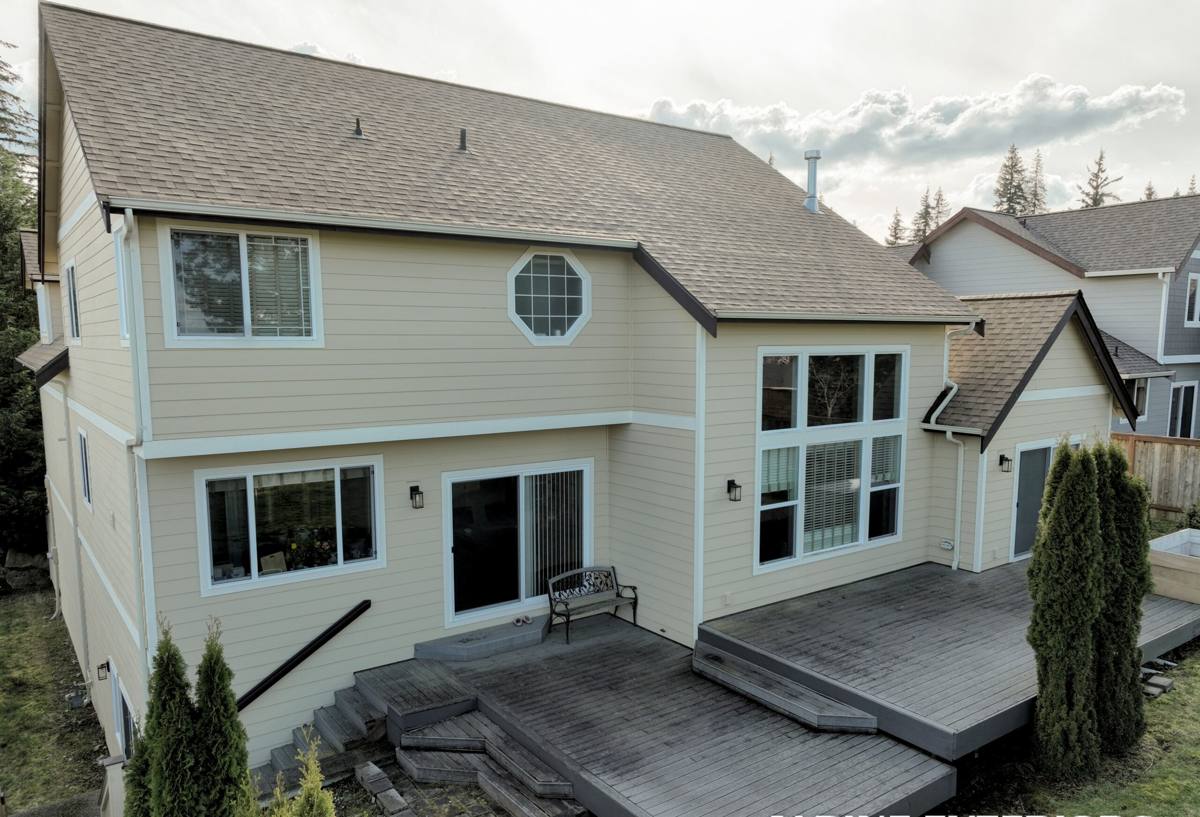
This page is about one thing only: custom deck construction and replacement for homes in the Carrollwood area, done by a crew that already works this part of Florida regularly.
Sun, Storms, and Salt Air: The Three Forces Working Against Your Deck
Wind
Tropical systems and seasonal storms bring sustained winds and gusts that put real uplift and racking stress on an elevated structure. A deck that isn't fastened and braced correctly can loosen at the ledger board, work its railing posts loose, or lift decking boards at the edges long before a hurricane ever makes landfall — ordinary summer storm season is enough to expose weak connections.
UV exposure
Florida sun is intense for most of the year, not just in summer. Wood fibers break down under constant UV, finishes fade and chalk, and dark-colored composite boards can run noticeably hotter underfoot than lighter ones. Fasteners and hardware that aren't rated for this kind of sustained exposure corrode or weaken well ahead of schedule.
Moisture and salt-influenced air
Tampa Bay's proximity brings humid, moisture-laden air and a degree of salt content that travels further inland than most homeowners expect, especially during and after storms. That combination accelerates corrosion on standard fasteners and connectors, and it keeps wood decking damp longer between rain events — exactly the condition that promotes rot and mold at joints and fastener holes.
Choosing the Right Decking and Railing Materials for This Climate
There's no single "best" decking material for every home — it depends on budget, how much upkeep you want to take on, and how the deck will be used. Here's how the common options actually perform under Tampa Bay conditions:
| Material | How it holds up here | Maintenance | Typical lifespan (this climate) |
|---|---|---|---|
| Pressure-treated pine | Affordable, but prone to cupping, splitting, and fastener corrosion if hardware isn't matched to the treatment chemicals | Annual cleaning and re-sealing | 10-15 years with upkeep |
| Composite decking | Resists rot and UV fading well; check the manufacturer's heat and moisture ratings for coastal-influenced climates | Periodic washing, no sealing | 20-30 years |
| PVC / capped polymer | Fully moisture-resistant core, handles humidity and rain exposure well | Low — occasional washing | 25-30+ years |
| Tropical hardwoods | Naturally dense and rot-resistant, but requires diligent oiling to prevent surface checking in constant sun | Regular oiling | 20-25 years with upkeep |
Whatever decking you choose, the substructure underneath — joists, beams, posts, and footings — matters more for long-term performance than the surface material. We'll walk through the honest trade-offs for your budget and how the deck will actually be used, rather than pushing one product line.
Railing options
Railings take the same beating as the decking, often worse, since they're the part guests actually grip. Aluminum railing shrugs off humidity and salt-influenced air with almost no maintenance, cable rail systems need periodic tension checks since cable hardware can loosen over time, and composite or PVC railing components hold up well but should be checked against the same coastal-exposure ratings as the decking. Wood railings look good on day one but need the same disciplined sealing schedule as wood decking, and balusters take more UV exposure than the deck surface itself.
What a Correctly Built Deck Actually Involves
The substructure
Footings sized and set to reach proper bearing depth, posts rated for ground or concrete contact, and joists spaced to match the decking span rating — this is the part of the deck nobody sees once it's finished, and it's the part that determines whether the deck is still solid in ten years.
Ledger attachment and flashing
Where the deck ties into the house is the single most common failure point we see on older decks in this area. Improper flashing lets wind-driven rain track behind the ledger board and into the house framing — a slow leak that can go unnoticed for years. Correct ledger flashing and proper lag or through-bolt fastening, not just nails, is non-negotiable.
Fasteners and connectors
Stainless steel or coated, corrosion-rated hardware throughout — hangers, hurricane ties, screws, and bolts. Mismatched metals, like standard steel screws in ACQ-treated lumber, cause galvanic corrosion that eats fasteners from the inside out, which is a common and preventable failure we still see on decks built with the wrong hardware.
Drainage and airflow underneath
Low decks and ground-level platforms need airflow underneath and grading that moves water away rather than pooling it under the frame. Trapped humidity under a deck with no cross-ventilation is a slow, steady contributor to rot and corrosion that a lot of homeowners never think to check until boards start feeling soft.
Railings and guards
Railing posts need to be through-bolted to framing, not just screwed to the decking surface, to hold up under both wind load and everyday use. Baluster spacing and rail height need to meet current code, which matters both for safety and for passing final inspection.
Permits, Codes, and Wind-Load Requirements
Most deck construction and many deck replacements in this area require a building permit, and elevated decks need to meet the wind-load and structural provisions of the Florida Building Code. Skipping the permit might save a little time up front, but it creates real problems later — unpermitted decks are a common issue that surfaces during home sales, insurance claims, and refinancing. Depending on size and height, some designs also need sealed engineering drawings before a permit is issued. We handle the permit application, build to the load and connection requirements the code specifies, and schedule the inspections that come with it, so the deck is documented and above-board from day one.
Our Process From First Call to Finished Deck
- Site visit: We look at grade, drainage, sun exposure, and how the deck will attach to the house before anything gets designed.
- Design and material selection: We go over decking, railing, and structural options with honest cost and maintenance trade-offs for your situation.
- Permitting: We handle the permit application and any engineering documentation the project requires.
- Construction: Footings, framing, decking, and railing, built to the load and fastening standards this climate calls for.
- Inspection and walkthrough: Final inspection sign-off, followed by a walkthrough so you know how to care for the specific materials on your deck.
Maintaining a Deck in the Carrollwood Area
Whatever material you choose, a few habits go a long way in this climate:
- Rinse off pollen, salt residue, and organic debris from between boards every few weeks
- Check fastener heads and connectors once or twice a year for early corrosion
- Reseal wood decking on the schedule the product actually requires, not just when it looks faded
- Keep gutters and downspouts clear so runoff isn't dumping extra water onto or under the deck
- After any significant storm, walk the deck and check railing posts and the ledger area for movement
Why a Crew That Already Works Carrollwood Matters
A deck built by a crew that hasn't dealt with this region's wind, sun, and moisture conditions before tends to make the same mistakes: undersized footings for local soil conditions, standard-grade hardware that wasn't rated for the exposure, or ledger flashing details that work fine in a drier climate but fail here. Our crew works out of Oldsmar and handles projects throughout this part of Pinellas County and the surrounding Tampa Bay area, including Carrollwood, so the material choices, fastening details, and permitting steps we bring to your project are based on what actually holds up locally — not a generic national spec.
A Quick Checklist Before You Start
- Decide how the deck will primarily be used — dining, grilling, a pool surround, quiet sitting space — since that shapes layout and railing choices
- Get a straight answer on whether a permit is required for your specific project
- Ask any contractor what hardware grade they use and whether it's rated for coastal-influenced exposure
- Confirm how the ledger board will be flashed where it meets the house
- Compare decking and railing materials on lifespan and maintenance, not just sticker price
If you're planning a new deck or need to replace one that's showing its age, we're happy to take a look and walk you through what a correctly built deck for your property would involve. Reach out for a free, no-pressure estimate using the form below.