 Oldsmar Siding
 Windows Built for Safety Harbor's Climate, Not a Catalog Average
Safety Harbor sits right on Old Tampa Bay, which means homes here deal with a specific combination of stresses that inland Florida properties don't face to the same degree: near-constant humidity, salt-laden air rolling off the water, intense year-round UV, and the wind-driven rain that comes with every strong storm system moving through Pinellas County. Standard windows — the kind sold as a generic "energy efficient" upgrade without any regional thinking behind them — tend to underperform here faster than homeowners expect. Seals degrade, frames chalk and pit from salt exposure, and heat gain through the glass keeps air conditioners running longer than they should.
A window package that actually works in Safety Harbor has to do three jobs at once: keep conditioned air inside, resist wind and water intrusion during storms, and hold up physically against sun and salt for the long haul. Get any one of those wrong and the homeowner ends up paying for it — either on the power bill, in interior water damage, or in a shorter window lifespan than they were told to expect.
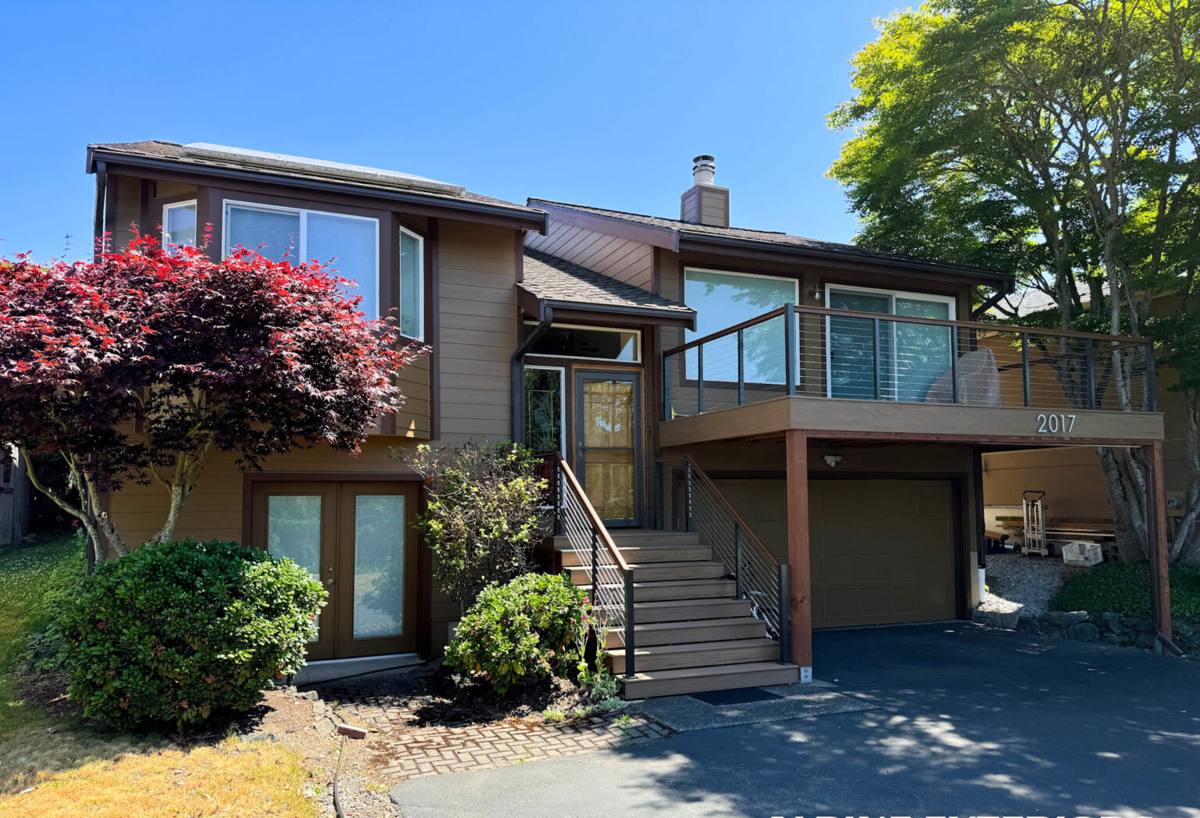
What "Energy-Efficient" Should Mean for a Safety Harbor Home
The phrase gets used loosely in this industry. For a home in this part of Pinellas County, energy efficiency isn't just a U-factor number on a sticker — it's a combination of glass performance, frame material, and installation quality working together.
Glass performance
Low-E (low-emissivity) coatings reflect solar heat before it enters the home while still letting visible light through. In a climate where cooling load — not heating — is the dominant energy cost, the Solar Heat Gain Coefficient (SHGC) matters as much as insulation value. We look for glass packages with a low SHGC paired with a low U-factor, since a window can technically insulate well and still let in too much solar heat to be efficient in practice.
Frame material and construction
Vinyl and fiberglass frames handle Gulf Coast humidity and salt exposure better than untreated aluminum, which can pit and corrode over years of exposure near the bay. Frame construction also affects air infiltration — a well-built frame with tight multi-point locking hardware keeps conditioned air from leaking out around the sash, which is a common and often overlooked source of energy loss in older homes.
Installation quality
Even a high-performance window underperforms if it's not installed correctly. Proper flashing, sealant compatible with stucco or siding substrate, and correct shimming so the frame isn't racked all affect both energy performance and long-term water resistance. This is the piece that's hardest to verify from a spec sheet and the reason installation experience matters as much as the product itself.
Signs Your Current Windows Are Working Against You
Homeowners in Safety Harbor and the surrounding Oldsmar area usually notice a handful of consistent warning signs before they decide to replace windows:
- Air conditioning runs more than it used to, or specific rooms never feel as cool as the rest of the house
- Condensation forming between panes on double-pane units — a sign the seal has failed and the insulating gas has escaped
- Frames that feel warm to the touch on sunny afternoons, even with blinds closed
- Visible pitting, chalking, or corrosion on aluminum frames from salt air exposure
- Difficulty opening, closing, or locking — often a sign the frame has warped slightly over time
- Water staining or soft drywall below or beside a window after heavy wind-driven rain
Any one of these on its own might not justify full replacement. Several of them together, especially in a home more than 15-20 years old, usually mean the windows are costing more in energy loss and moisture risk than a replacement would cost over time.
Impact Rating and Local Code — What Actually Applies
Pinellas County follows the Florida Building Code, and homes here fall within the High-Velocity Hurricane Zone influence that shapes product approval requirements throughout the region. Depending on the home's wind zone and exposure category, replacement windows generally need to meet either impact-resistant glazing standards or be paired with code-compliant shutter protection. This isn't optional paperwork — it affects insurance eligibility, resale disclosures, and how the home performs in an actual storm.
The practical upside is that impact-rated glass and energy-efficient glass overlap more than most homeowners assume. Laminated impact glass, by its construction, also blocks a significant amount of UV and reduces noise transmission, so a homeowner upgrading for storm protection is very often upgrading efficiency and comfort in the same project. We verify local wind zone requirements and product approval numbers for the specific property before recommending a package — this isn't something to guess at from a showroom.
Frame and Glass Options Compared
| Option | Efficiency Behavior | Coastal Durability | Typical Trade-Off |
|---|---|---|---|
| Vinyl frame, Low-E dual-pane | Strong SHGC and U-factor control | Good — resists salt corrosion, no repainting | Limited color options compared to other frame types |
| Fiberglass frame, Low-E dual-pane | Very strong, low thermal expansion | Excellent — very stable in heat and humidity swings | Higher upfront material cost |
| Aluminum frame, standard glass | Weaker — aluminum conducts heat readily | Fair — needs a quality finish to resist salt pitting | Lower cost, but higher long-run energy loss |
| Impact-rated laminated glass (any frame) | Good SHGC control, added UV blocking | Excellent — also addresses storm risk | Heavier units, higher install precision required |
There's no single "correct" answer across every home — the right combination depends on the home's orientation, existing frame condition, and whether storm protection is being addressed in the same project. We walk through this specific to the property rather than pushing one standard package.
How We Approach a Safety Harbor Window Project
Our process is built around the fact that every home on this stretch of Pinellas County has slightly different exposure — a home a few blocks off the water gets different wind loading and salt exposure than one set further back. The steps stay consistent even when the recommendation changes:
- On-site assessment. We measure existing openings, check frame and sill condition, and note orientation (west and south-facing openings take the most direct heat gain in this part of Florida).
- Code and wind-zone check. We confirm what the property's wind zone requires so the recommended product is actually compliant, not just "energy efficient" in a general sense.
- Product selection. We walk through frame material, glass package, and cost trade-offs in plain terms — no pressure toward the most expensive option if it isn't warranted for that home.
- Removal and prep. Old frames and any water-damaged substrate are addressed before the new unit goes in — installing over a compromised opening undermines everything else.
- Installation and sealing. Correct flashing and sealant application, matched to the home's siding or stucco, is what actually determines whether the window performs as rated.
- Final check. Operation, locking hardware, and seal integrity are confirmed before we consider the job finished.
What Drives Cost on a Real Project
Window pricing gets quoted in wildly different ranges online because so many variables affect the final number. For a Safety Harbor home, the factors that actually move the price are:
| Factor | Why It Matters |
|---|---|
| Impact rating vs. standard glass | Impact-rated laminated glass costs more per unit but can remove the need for separate shutters |
| Frame material | Fiberglass typically costs more upfront than vinyl but holds up longer against salt exposure |
| Number and size of openings | Larger openings and full-home replacements have different per-unit economics than a handful of rooms |
| Existing frame condition | Rot or water damage found during removal adds repair work before the new unit can go in correctly |
| Access and second-story work | Upper-level or hard-to-access openings take more labor time |
We give a written estimate after the on-site assessment rather than a phone quote, because guessing at frame condition or opening count from a conversation isn't honest pricing.
Why It Matters That We Already Work in This Area
A crew that regularly works Safety Harbor and greater Oldsmar isn't guessing about what this climate does to a window installation — we've seen how sealant performs against local stucco, which frame finishes hold up against bay-side salt exposure, and what the county's inspectors actually look for on a replacement permit. That local familiarity shortens the guesswork on every step, from product selection to final inspection, and it means callbacks get handled by a crew that's a short drive away rather than a regional installer passing through.
It also means we're not learning Pinellas County's wind zone and permitting requirements on the homeowner's project. That's groundwork we've already done, which keeps the process moving and reduces the chance of a mismatched product getting installed and rejected at inspection.
Maintaining Efficient Windows Once They're In
Energy-efficient windows aren't maintenance-free, especially this close to the water. A short list of upkeep steps keeps performance from drifting over the years:
- Rinse frames and tracks periodically to clear salt residue before it accelerates corrosion or wear
- Check and lightly lubricate locking hardware annually so multi-point locks keep sealing tightly
- Inspect exterior sealant lines yearly, especially after a significant storm, for cracking or separation
- Clear tracks and weep holes of debris so water drains properly instead of pooling at the sill
- Address any soft or discolored drywall near a window promptly rather than waiting
None of this is complicated, but skipping it is how a well-installed window's performance quietly degrades over a decade instead of holding steady.
Get a Straightforward Estimate
If your Safety Harbor home has windows that are underperforming, aging, or due for a storm-readiness upgrade, we're happy to take a look and give you an honest read on what it needs — no pressure, no inflated scare tactics about what will happen if you don't act today. Use the form below to request a free estimate and we'll walk the property with you.