 Oldsmar Siding
 Windows Built for Safety Harbor's Specific Climate
Safety Harbor sits right on Old Tampa Bay, which means homes here take on a combination of stresses that inland Florida properties simply don't deal with. You've got salt-laden air rolling off the water, intense year-round UV that breaks down seals and finishes faster than in most of the country, wind-driven rain that finds every gap in a poor installation, and the real possibility of hurricane-force winds during storm season. Windows are one of the first things a house has to defend against all of that, and they're also one of the easiest things to get wrong if the person installing them isn't thinking about this specific environment.
A window that performs fine in a dry, mild climate can fail here within a few years — seals degrade, frames warp, hardware corrodes, and water finds its way into the wall cavity long before anyone notices a problem from the inside. Custom window work in Safety Harbor isn't about upgrading for the sake of it. It's about matching the product and the installation to conditions the house actually faces, every single day, on the water.
What "Custom" Actually Means on a Window Job
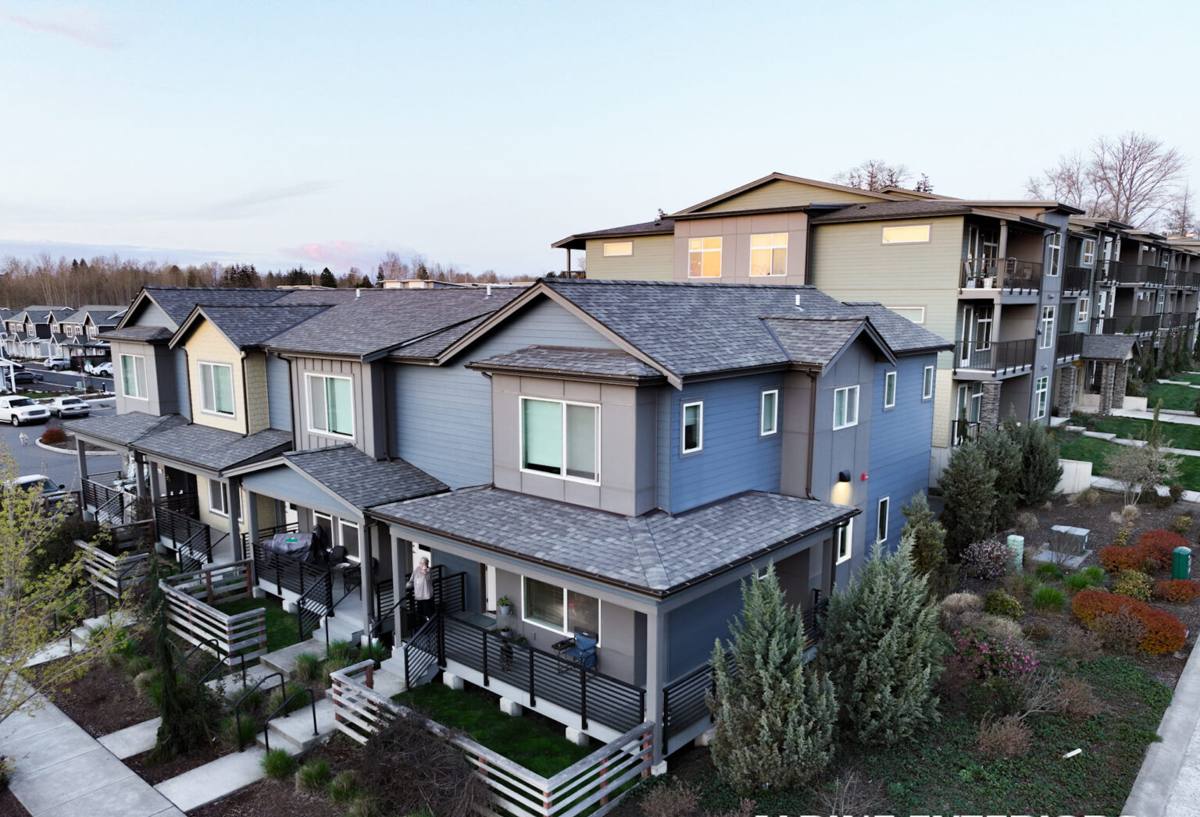
"Custom" doesn't mean fancy shapes or high-end finishes, though we can do that too. In practice, it usually means the window has to be built or modified to fit an opening, a structural condition, or a design goal that a stock window won't solve. That's common in this part of Pinellas County, where you'll find a real mix of home ages and construction types — older block homes with non-standard rough openings, additions built at different times than the original structure, and renovated homes where wall thickness or stucco depth doesn't match modern window standards.
Custom work also comes up when a homeowner wants something a big-box replacement can't offer: a wider sightline, a specific grid pattern to match the home's architectural style, a larger picture window to open up a water view, or coordinated sizing across a whole elevation so the exterior reads as one clean design instead of a patchwork of mismatched units. Whatever the reason, custom means the window is made to fit the house — not the house forced to fit the window.
Common Reasons Safety Harbor Homeowners Go Custom
- Non-standard or out-of-square openings in older block construction
- Matching window style and grid pattern across additions or renovated sections
- Upgrading to impact-rated glass without changing the home's original opening size
- Larger openings to take advantage of bay or greenspace views
- Replacing aluminum-frame single-pane windows original to the home with something built for current conditions
Impact-Rated Windows vs. Standard Windows with Shutters
One of the first decisions most Safety Harbor homeowners face is whether to install impact-rated windows or stick with standard windows protected by shutters or panels during storms. Both are legitimate approaches, and the right one depends on your budget, how the home is used, and how much day-to-day convenience matters to you.
| Factor | Impact-Rated Windows | Standard Windows + Shutters/Panels |
|---|---|---|
| Storm protection | Built in, no action required before a storm | Effective, but only if shutters/panels are installed correctly and in time |
| Daily UV and noise reduction | Laminated glass reduces UV transfer and outside noise year-round | No daily benefit — protection only during active use |
| Upfront cost | Higher per window | Lower window cost, but shutters/panels add their own expense |
| Insurance considerations | May qualify for wind mitigation credits | Credits possible but often lower than full impact glass |
| Storage and labor | None — always in place | Requires storage space and physical installation before every storm |
| Curb appeal | Clean look, nothing added to the exterior | Shutters or panel tracks are visible year-round or during storms |
Neither option is wrong. Some homeowners want the "set it and forget it" simplicity of impact glass; others are comfortable with a shutter routine and prefer to put that money elsewhere. We'll walk through both honestly during your estimate rather than pushing the higher-margin option.
Frame Materials That Hold Up Near the Water
Frame material matters as much as the glass, especially this close to Old Tampa Bay. Salt air accelerates corrosion on hardware and can pit or discolor lower-quality metal frames over time. Here's how the common options compare for a coastal Pinellas County property:
Vinyl
Vinyl frames don't corrode and require very little maintenance, which makes them a popular choice for salt-air environments. Quality varies significantly between manufacturers, so we're selective about which vinyl products we'll stand behind — cheaper vinyl can become brittle under sustained UV exposure faster than homeowners expect.
Aluminum
Aluminum is strong and holds up well structurally, which is part of why it's been used in Florida construction for decades. The tradeoff is that it conducts heat and, on lower-grade products, can be more prone to corrosion near saltwater unless it's properly coated and finished.
Fiberglass
Fiberglass is dimensionally stable, resists corrosion, and holds paint well over time, making it a strong long-term option for waterfront and near-waterfront homes. It typically costs more upfront than vinyl, but many homeowners view it as a worthwhile tradeoff for a house that's going to face decades of salt air.
Wood and Wood-Clad
Wood offers a look some homeowners want, particularly on historic or architecturally distinct homes, but it demands the most ongoing maintenance in a humid, salty coastal climate. If wood or wood-clad is what the home calls for, we'll be direct with you about the upkeep involved so there are no surprises after installation.
How We Approach a Custom Window Job in Safety Harbor
The installation itself is where most window problems actually start, regardless of how good the product is. A quality window installed poorly will leak, and a mediocre window installed correctly will usually outperform expectations. Here's the general sequence we follow:
- On-site measurement and assessment. We measure every opening individually — no assumptions based on "standard" sizing — and check for signs of existing water intrusion, wood rot, or structural issues around the frame that need to be addressed before the new window goes in.
- Product selection. We go over frame material, glass package, and impact rating options based on your budget, the home's exposure to wind and sun, and any HOA or architectural requirements specific to your neighborhood.
- Permitting. Window replacement in Pinellas County typically requires a permit, and impact-rated or structural changes almost always do. We handle the permit application and inspection scheduling so you're not the one navigating that process.
- Removal and opening prep. Old windows come out carefully to avoid damaging the surrounding stucco, block, or framing. We check the opening for square, moisture damage, and proper substrate condition before anything new goes in.
- Flashing and sealing. This step is where most water intrusion problems originate on Florida homes. Proper flashing, backer rod, and sealant application — done in the right order — is what actually keeps wind-driven rain out, far more than the window product itself.
- Installation and fastening. Windows are set plumb, level, and square, then fastened according to the manufacturer's wind-load specifications for our region — not generic guidelines.
- Interior and exterior finish work. Trim, caulking, and any stucco or siding patching around the new opening are finished to match the surrounding wall.
- Final inspection and walkthrough. We confirm proper operation, check seals, and schedule the county inspection where required before considering the job complete.
Signs Your Current Windows Are Already Working Against You
Not every window problem is obvious from across the room. Here's what we tell Safety Harbor homeowners to watch for:
- Fogging or condensation between panes, which means the seal has failed and the insulating gas or air gap is gone
- Difficulty opening, closing, or locking — often a sign the frame has shifted or warped
- Visible corrosion or pitting on aluminum hardware and frames
- Soft spots, staining, or bubbling paint on the wall or trim surrounding the window
- A noticeable draft or outside noise that didn't used to be there
- Chalky or faded frame finish from prolonged UV exposure
- Higher-than-expected cooling bills during peak summer months
Any one of these on its own isn't necessarily an emergency, but a few of them together usually means the windows are past the point where repair makes more sense than replacement.
Permits, Wind Requirements, and Local Code
Safety Harbor and the surrounding Pinellas County area fall within Florida's wind-borne debris region, which affects what's required for window replacement and new installations. Depending on your specific location and the scope of work, that can mean requirements around impact resistance or protective coverings, minimum wind-load ratings for the frame and glass, and permit review by the local building department. Code requirements aren't the same everywhere in the county, and they can also depend on your home's construction date and any prior permitted work on the structure. We pull the correct permits and make sure the products we install meet the applicable wind-load rating for your specific address — not a generic countywide assumption.
What Actually Drives the Cost of a Custom Window Project
Every home and project is different, so instead of quoting a number that won't mean much without seeing your house, here's what tends to move the cost up or down:
| Cost Factor | Why It Matters |
|---|---|
| Impact-rated vs. standard glass | Impact glass costs more per unit but eliminates the ongoing cost and labor of shutters or panels |
| Frame material | Vinyl is typically the most budget-friendly; fiberglass and wood-clad cost more but hold up longer near saltwater |
| Opening size and shape | Non-standard or oversized openings require custom fabrication, which adds cost over stock sizing |
| Number of windows | Whole-house projects typically bring a better per-unit cost than replacing one or two windows at a time |
| Structural or moisture repair | If the opening has existing rot or water damage, that repair needs to happen before installation, adding to the scope |
| Stucco or siding patchwork | Matching existing exterior finish around a resized or repositioned opening takes additional labor |
We'll walk through which of these apply to your home during the estimate, so you understand what you're paying for and why — not just a bottom-line number.
Maintaining Custom Windows in a Salt-Air Environment
Even a well-installed, high-quality window needs some upkeep to get its full lifespan out of it this close to the bay. A few habits go a long way:
- Rinse frames and hardware periodically to remove salt residue, especially after storms or extended dry, windy stretches
- Check and re-caulk exterior seals if you notice cracking or gaps developing, rather than waiting for a leak to show up inside
- Lubricate locks and moving hardware on a regular schedule to prevent salt-related corrosion from seizing them up
- Inspect weep holes on the exterior frame to make sure they're clear and draining properly
- Have windows checked after any major storm, even if there's no obvious visible damage
Why Working With a Crew That Already Knows Safety Harbor Matters
Window installation looks similar on paper everywhere, but the details that actually matter change based on where the house sits. A crew that regularly works Safety Harbor and the broader Oldsmar and Pinellas County area already understands the local permitting process, knows what wind-load documentation the building department expects, and has seen firsthand how salt air and coastal humidity affect different products and materials over time. That's the kind of knowledge that doesn't come from a manufacturer's spec sheet — it comes from doing the work here, on homes like yours, and following up on how those installations hold up years later.
It also means fewer surprises during the permitting and inspection process, because we're not learning the local requirements on your project. We'd rather get the flashing, the fastening schedule, and the product selection right the first time than have you dealing with a callback after the next storm.
Ready for an Honest Look at Your Windows?
If your windows are original to the home, showing signs of wear, or you're simply ready for something built to handle what Safety Harbor's climate throws at it, we're happy to take a look and walk you through your options — no pressure, no upsell. Use the form below to request a free estimate, and we'll give you a straight assessment of what your home actually needs.