 Oldsmar Siding
 Why Safety Harbor Decks Wear Differently
Safety Harbor sits along Old Tampa Bay, which means decks here take a different beating than decks fifty miles inland. Salt-laden air off the water accelerates corrosion on fasteners, brackets, and any exposed metal hardware. Add in the intense, near year-round Florida UV exposure and the wind-driven rain that comes with every summer storm and hurricane season pass, and you have a climate that is genuinely hard on outdoor wood and composite structures. We work on decks throughout the Oldsmar and Safety Harbor area regularly, and the failure patterns we see are consistent: fastener corrosion, ledger board rot where the deck meets the house, surface checking and graying from UV, and framing that looks fine on top but has soft, compromised wood underneath.
A deck repair here isn't just about cosmetics. It's about making sure the structure underneath is still doing its job after years of Pinellas County sun, humidity, and storm exposure.
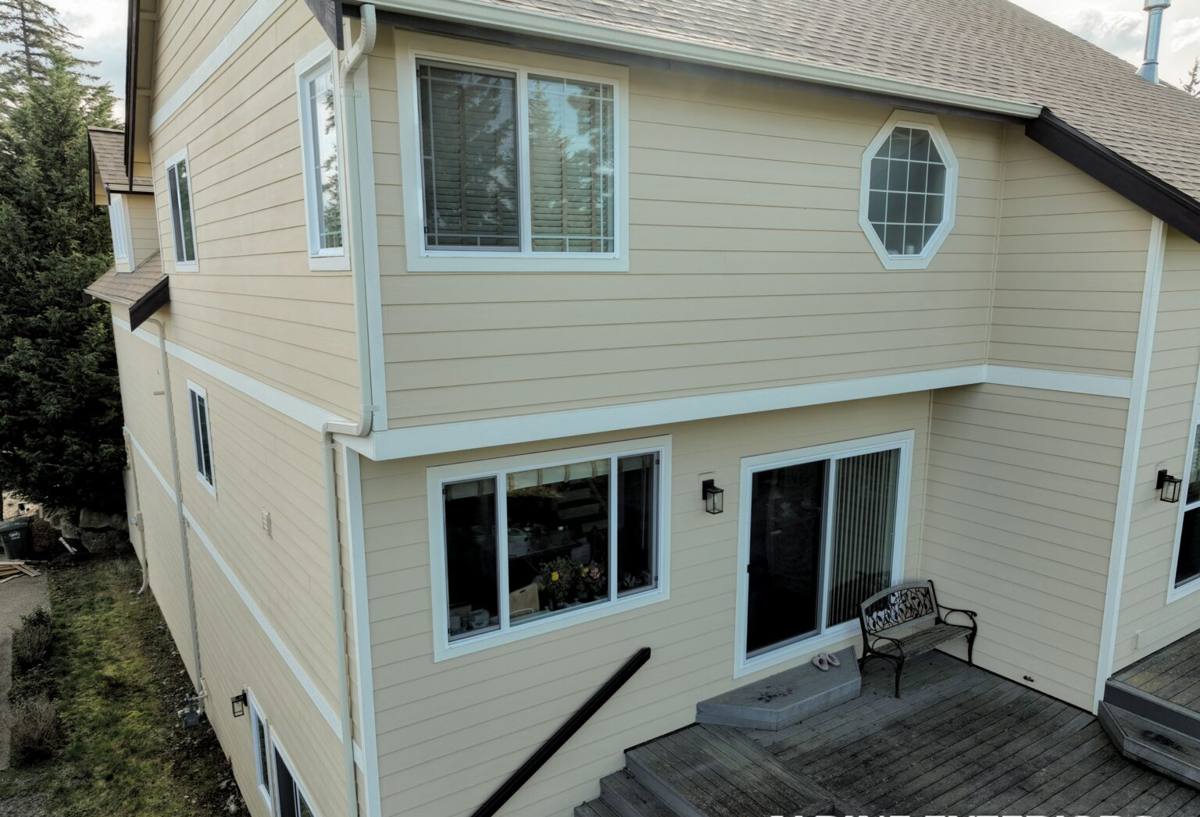
What Actually Damages a Deck in This Climate
Salt Air and Corrosion
Homes closer to the water see faster corrosion on nails, screws, joist hangers, and other structural hardware. Once a fastener starts to rust, it loses holding strength, and that's often the first real weak point in an otherwise sound-looking deck. Galvanized or standard coated hardware that would last decades inland can show significant wear much sooner this close to the bay.
UV and Sun Exposure
Florida sun is relentless on horizontal surfaces. Deck boards absorb UV all day, which dries out natural wood fibers, causes surface checking (those small parallel cracks), and fades composite decking over time. UV damage is mostly cosmetic at first, but once the wood surface breaks down, it lets moisture in faster during the next rain.
Wind-Driven Rain and Moisture
It's rarely a straight-down rain here. Storms push moisture sideways and underneath decking, into joints, around railing posts, and behind ledger boards. That's where rot actually starts — not on the parts you can see, but in the connections and the framing underneath.
Storm and Wind Loading
Hurricane-force wind events put real lateral and uplift stress on railings, stairs, and the ledger connection to the house. A deck that's been quietly losing fastener strength to corrosion or wood softness to rot is far more likely to have a real problem show up after a major wind event.
Signs a Safety Harbor Deck Needs Repair
- Boards that feel spongy, springy, or noticeably softer underfoot than the rest of the deck
- Railings or posts that wiggle or flex when you push on them
- Visible rust streaks around fasteners or hardware
- Gaps, cracking, or dark staining where the deck attaches to the house (the ledger board)
- Stairs that feel less solid than they used to, or noticeable bounce when walking
- Fading, graying, or splintering on the deck surface
- Standing water that doesn't drain, or soft ground/wood near support posts
Any one of these on its own might be minor. Several together, especially near the ledger or support posts, usually means it's time for a proper inspection rather than a patch job.
What a Correct Deck Repair Actually Involves
A repair that's done right starts with figuring out what's actually failing, not just replacing the boards you can see. Our process for deck repair work in the Safety Harbor area generally includes:
1. Structural Inspection First
We check the ledger board connection to the house, the condition of joists and beams underneath, post bases, and fastener condition before touching the surface decking. This is the part that gets skipped by anyone just swapping out bad-looking boards, and it's the part that actually determines whether the deck is safe.
2. Isolating Rot and Corrosion
Any soft or rotted wood gets identified and either sistered (reinforced alongside sound framing) or fully replaced, depending on how far the damage extends. Corroded hardware gets swapped for fasteners rated for coastal, high-moisture use.
3. Addressing the Cause, Not Just the Symptom
If a ledger board is failing because flashing was missing or improperly installed, we fix the flashing and water path — not just the wood. If drainage under the deck is the reason posts are staying wet, that gets addressed too. Replacing a board without fixing why it failed just buys a few years before the same spot fails again.
4. Surface and Railing Repair
Once the structure underneath is confirmed sound, we move to visible repairs — deck boards, railings, stair treads, and any refinishing or sealing needed to protect against continued UV and moisture exposure.
Repair vs. Replacement: How We Decide
| Factor | Points Toward Repair | Points Toward Replacement |
|---|---|---|
| Framing condition | Joists/beams are sound, damage is localized | Widespread rot or soft framing in multiple areas |
| Ledger board | Connection is solid, flashing intact or fixable | Ledger is rotted or pulling away from the house |
| Age of deck | Under 15-20 years, built to a reasonable standard | Older deck nearing the end of its practical service life |
| Extent of surface damage | A few boards or a section, not the whole deck | Most boards are failing, not just a few spots |
| Post and footing condition | Footings solid, posts stable | Footings undersized, cracked, or posts unstable |
Most decks we look at in the Safety Harbor area are repairable — the framing is usually fine even when the surface looks rough. But we'll tell you honestly if a deck has reached the point where repair is just delaying an inevitable replacement, rather than talking you into work that won't hold up.
Materials That Hold Up Near the Bay
What we use for repairs matters as much as the work itself. For fasteners and structural hardware on decks this close to Old Tampa Bay, we favor stainless or heavy-coated corrosion-resistant hardware over standard-grade options — the small upfront cost difference is minor compared to redoing the work in a few years. For decking material, both quality-grade treated wood and composite boards can perform well here, but each comes with trade-offs worth understanding:
| Material | Maintenance | Moisture Behavior | Typical Lifespan Here |
|---|---|---|---|
| Pressure-treated wood | Needs periodic sealing/staining to resist UV and moisture | Can absorb and release moisture; proper sealing is important | Solid if maintained on schedule |
| Composite decking | Low — no staining or sealing required | Resists moisture absorption well; framing underneath still needs attention | Long-lasting surface life, but installation quality still matters most |
Neither option removes the need for sound framing and proper fastener choices underneath. The surface material is only as good as what it's attached to.
Our Process for Safety Harbor Deck Repairs
- Free on-site inspection — we walk the deck, check the ledger, framing, posts, and hardware, and explain what we find in plain terms
- Honest scope and estimate — a clear breakdown of what needs repair, what's optional, and what we'd recommend replacing versus repairing
- Repair work — addressing structural issues first, then surface and railing repairs, using hardware rated for coastal moisture and salt exposure
- Final check — confirming the deck is solid, stable, and ready for regular use before we consider the job done
Why Local Experience Matters for This Job
Deck repair looks straightforward from the outside, but the failure points specific to Pinellas County — salt air corrosion, ledger rot from wind-driven rain, UV breakdown on horizontal surfaces — aren't the same problems a crew from a drier, inland climate is used to diagnosing. A contractor who works Safety Harbor and the greater Oldsmar area regularly knows to check the ledger flashing first, knows which fastener grades actually hold up this close to the bay, and has seen what a hurricane-force wind event does to a deck that was already quietly weakened. That local pattern recognition is what separates a repair that lasts from one that needs to be redone in two years.
Maintaining Your Deck After Repair
Once repairs are done, a little regular attention goes a long way in this climate:
- Rinse off salt residue and debris periodically, especially after storms
- Check railings and stair treads for looseness a couple times a year
- Reseal or restain wood decking on the schedule the product calls for — don't stretch it out in this UV exposure
- Keep gutters and downspouts directing water away from the deck area, not onto it
- Look underneath occasionally for standing water, soft wood, or new rust on hardware
Catching a small issue early is a lot cheaper and less disruptive than waiting until it's a structural problem.
If your deck in Safety Harbor is showing any of these warning signs — or it's just been a while since anyone looked underneath it — we're happy to come take a look. The estimate is free, there's no pressure, and you'll get a straight answer about what your deck actually needs.