 Oldsmar Siding
 Why Decks Near Safety Harbor Wear Out Faster Than the Manual Says
Safety Harbor sits right on Old Tampa Bay, and that waterfront location is part of what makes the neighborhood desirable — and part of what shortens the life of an outdoor deck. Between the bay's humidity, near-constant UV exposure, wind-driven rain off the water, and the salt air that drifts inland from Tampa Bay, exterior wood and fasteners take a beating that inland Pinellas County homes simply don't see at the same rate.
Most deck manufacturers write their maintenance schedules and warranty terms around a generic climate. A deck in Safety Harbor doesn't get a generic climate. It gets sun that bakes boards and pulls oils out of wood almost year-round, humidity that keeps moisture cycling in and out of the material, and salt-laden air that accelerates corrosion on any hardware that isn't rated for it. That combination is why decks here often show real structural problems years before a homeowner expects to be thinking about replacement.
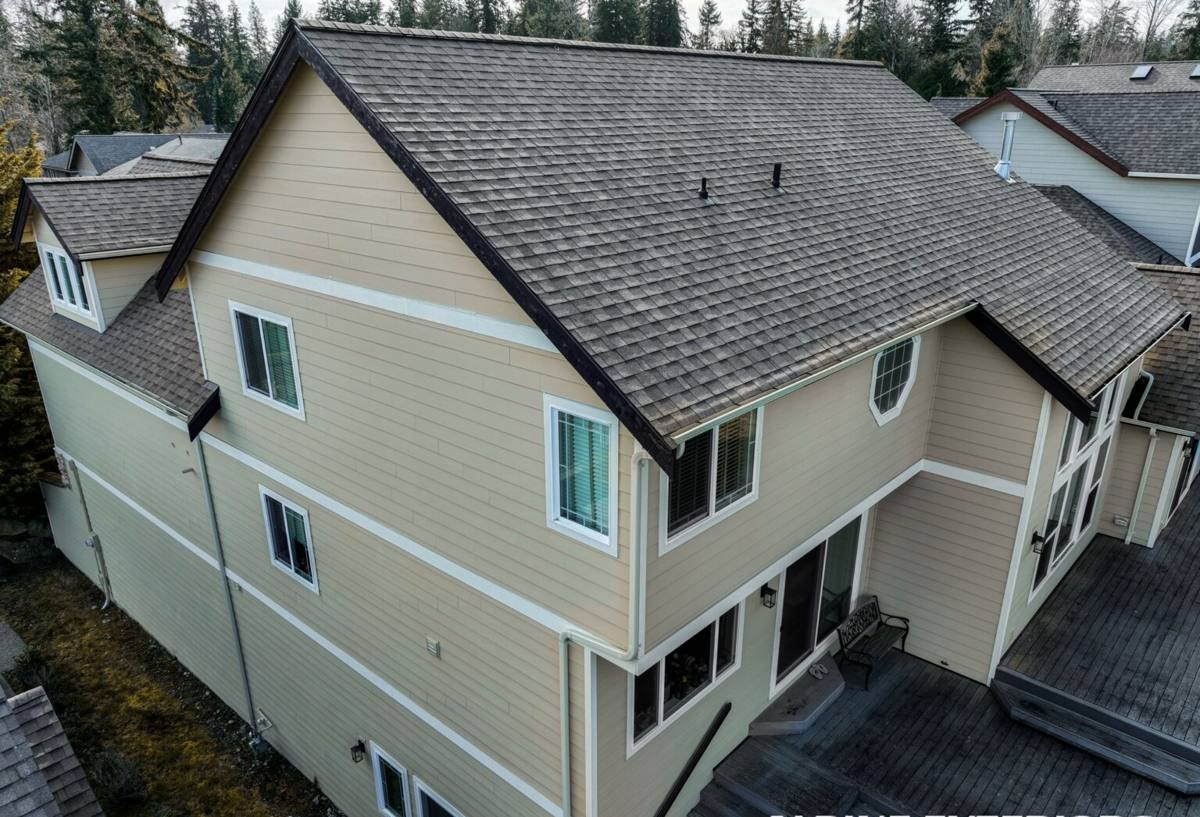
Signs a Deck Needs Replacing, Not Just Repairing
Not every tired-looking deck needs to be torn out. But there's a point where patching boards or re-staining stops being a fix and starts being a delay tactic. Some of the clearest signals:
- Soft, spongy, or spring-loaded spots in the decking or framing when you walk across it
- Visible rot or dark staining at the ledger board — where the deck attaches to the house
- Rusted, corroded, or backed-out fasteners, especially on hardware that isn't stainless or coated for coastal use
- Posts or footings that have shifted, cracked, or show gaps at the base
- Railings that flex or wobble under normal weight
- A deck older than 15–20 years that has never had its structural connections inspected
If more than one of these is present, repair usually ends up costing nearly as much as replacement while leaving the underlying structural issues untouched. That's a bad trade, especially on a deck that's going to keep taking wind and rain off the bay every season.
The Ledger Board Is the One Spot That Can't Be Guessed At
The ledger board — where the deck ties into the house framing — is the single most common failure point on older decks, and it's also the one area a homeowner usually can't fully inspect without pulling boards. Improper flashing, missing structural screws, or moisture trapped behind the ledger can compromise the whole deck's connection to the house long before the visible decking shows any problem. Any legitimate replacement starts by opening this area up and confirming it's built right, not just re-covering it.
What a Correct Deck Replacement Actually Involves
A deck replacement is a structural project, not a cosmetic one, and it should be treated that way from the start. A correct job addresses the whole system, not just the visible surface:
- Ledger and flashing — properly flashed connection to the house, with structural fasteners rated for the load
- Footings and posts — sized and spaced to current code, set below frost/soil requirements for the site conditions
- Framing — joists and beams sized for the actual span and load, with corrosion-resistant hardware throughout
- Fasteners — stainless steel or coated fasteners rated for coastal/high-moisture exposure, not standard interior-grade hardware
- Decking and railing — material selected for how it actually performs under sun, humidity, and salt air, not just how it looks on day one
- Drainage — grading and spacing that lets water move off and away from the structure instead of pooling underneath
Skipping any one of these doesn't just shorten the deck's life — it recreates the exact failure that likely caused the last one to fail.
Choosing a Decking Material for a Bay-Adjacent Property
There's no single "best" decking material — there's a best fit for how much maintenance a homeowner wants to do and how the deck will be used. Here's how the common options actually compare under Safety Harbor's conditions:
| Material | Sun/Humidity Performance | Maintenance | Typical Lifespan |
|---|---|---|---|
| Pressure-treated wood | Prone to graying, cupping, and splitting under UV and moisture cycling | Annual sealing/staining to keep moisture out | 10–15 years with upkeep |
| Composite decking | Resists rot and UV fading well; some early-generation products can absorb heat and moisture at the core | Periodic cleaning, no sealing/staining | 20–30 years |
| PVC/capped polymer decking | Fully sealed surface handles humidity and salt air with minimal absorption | Lowest maintenance of the group | 25+ years |
| Tropical hardwoods (ipe, etc.) | Naturally dense and rot-resistant, but requires disciplined maintenance to hold color and prevent surface checking | Regular oiling to maintain appearance | 20-25+ years with upkeep |
We'll walk through which of these makes sense for a specific deck's exposure, budget, and how the homeowner actually wants to use the space — a shaded deck under mature trees has different needs than one fully exposed to afternoon sun off the bay.
Our Deck Replacement Process
- On-site assessment — we inspect the existing structure, including the ledger connection, footings, and framing, to confirm what's actually failing and why
- Design and material selection — size, layout, railing style, and decking material chosen to fit the house, the budget, and how the space will be used
- Permitting — we handle the permit application and inspections required for the jurisdiction
- Demolition — full removal of the old deck down to sound structure, including a real inspection of what's hidden underneath
- Structural rebuild — properly flashed ledger, correctly sized and spaced footings, framing, and corrosion-resistant hardware
- Decking, railing, and finish work — installed to manufacturer spec, with attention to fastening patterns and drainage
- Final walkthrough — we go over the finished deck with the homeowner before calling the job done
Permits and Code Requirements
Deck replacement in Pinellas County requires a permit in nearly all cases — this isn't optional paperwork, it's what confirms the footings, framing, and railing meet the load and wind requirements for the area. Skipping permitting on a deck rebuild is one of the most common shortcuts that comes back to bite homeowners later, whether at resale or at insurance claim time after a storm. We pull the required permits and build to what the inspector is checking for, not just to what looks finished from the top.
Cost Factors Worth Understanding
Deck replacement pricing varies enough by size, material, and structural condition that a flat number isn't honest. What actually drives the cost:
| Factor | Why It Matters |
|---|---|
| Deck size and shape | More square footage and complex layouts (multi-level, angles, built-in seating) mean more material and labor |
| Decking material | Pressure-treated wood costs less upfront than composite or PVC, but the lifetime cost gap narrows once maintenance is factored in |
| Structural condition | Rotted framing, compromised footings, or ledger damage add rebuild work beyond a straight decking swap |
| Railing style | Basic wood or aluminum railing costs less than cable, glass, or composite railing systems |
| Height and access | Elevated decks or decks with limited site access require more labor for demolition and rebuild |
We give straightforward, written estimates that break down what's driving the number, so there are no surprises once the crew is on site.
Why It Matters Hiring a Crew That Already Works Safety Harbor
A deck built without accounting for Tampa Bay's climate is a deck that fails early — that's true whether the crew is unfamiliar with the area or just cutting corners on fastener grade and flashing detail. A contractor who regularly works Safety Harbor and the surrounding Oldsmar area already knows which fastener grades hold up near the water, how local soil conditions affect footing depth, and what the permitting office actually expects to see on an inspection. That local track record shows up in how long the deck lasts, not just in how it looks the day it's finished.
Questions Worth Asking Before You Hire
- Are you licensed and insured to do structural deck work in Pinellas County?
- Will you pull the required permits, or is that left to me?
- What fastener and hardware grade do you use for coastal/high-humidity exposure?
- How do you inspect and address the ledger board connection?
- What does your written estimate include, and what could add to it once the old deck is opened up?
- Can I see examples of decks you've built in this area?
A contractor who answers these plainly, without dodging the ledger or fastener questions, is one worth trusting with a structural rebuild.
Get a Straightforward Look at Your Deck
If a deck near Safety Harbor is showing soft spots, rust, or just isn't holding up the way it should, it's worth having someone look at the structure before deciding between repair and replacement. We offer free, no-pressure estimates — walk us through what you're seeing and we'll tell you honestly what the deck needs and what a proper replacement would involve. Reach out using the form below to get started.