 Oldsmar Siding
 Building a Deck That Actually Holds Up in Safety Harbor
Safety Harbor sits right on the water along Old Tampa Bay, and that location shapes everything about how a deck should be built here. A deck design that works fine forty miles inland in a drier climate can start failing within a few years on a Safety Harbor or Oldsmar property, simply because the air, the sun, and the storm exposure are different this close to the coast. Building a deck that lasts in this part of Pinellas County means designing for the actual conditions the structure will face, not just following a generic plan.
We build and repair decks throughout the Oldsmar and Safety Harbor area, and the patterns we see are consistent: decks that were framed or fastened without accounting for local conditions tend to develop soft spots, corroded hardware, and railing problems well before they should. A deck built correctly for this climate should give a homeowner decades of use with reasonable, predictable maintenance — not surprise repairs five years in.
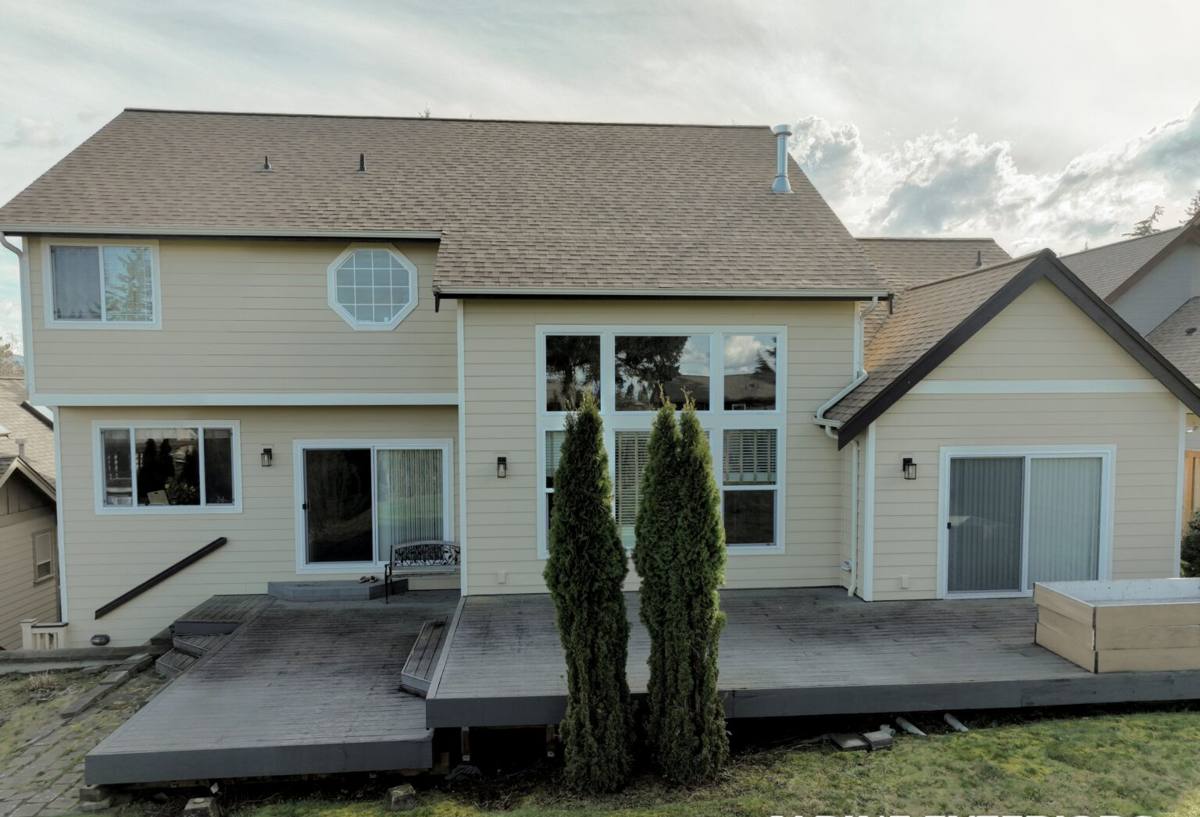
What Safety Harbor's Climate Does to a Deck Over Time
Sun and UV Exposure
Florida gets strong, direct sun essentially year-round, and a deck has no roof or wall to shield it. UV exposure breaks down the lignin in wood fibers, causing graying and surface roughness, and it degrades the color and surface layer of composite and PVC decking over time as well. Every decking material handles UV differently, which is a major factor in what we recommend for a given project.
Salt Air and Humidity
Being close to Old Tampa Bay means the air carries a measurable amount of salt, even a few miles inland. Salt-laden, humid air accelerates corrosion in any exposed metal — fasteners, brackets, railing hardware — and it keeps wood moisture content elevated for more of the year, which encourages rot and mold growth if the wood isn't properly treated, sealed, or ventilated underneath.
Wind-Driven Rain
Summer storms in this part of Florida don't just drop rain straight down; wind pushes it sideways and up under railings, ledger boards, and fascia. Any part of the deck structure that isn't detailed to shed water — flashing at the ledger, gaps between boards, proper drainage at footings — becomes a place where moisture sits and damage starts.
Hurricane-Force Wind Loads
Pinellas County is a coastal, hurricane-exposed county, and the building code here reflects that with wind load requirements well above what inland regions use. A deck's framing, post connections, and railing system all have to be engineered to resist uplift and lateral loads, not just support the static weight of furniture and people standing on it.
Choosing the Right Decking Material for This Location
There's no single "best" decking material — the right choice depends on budget, how much upkeep the homeowner wants to do, and how close the property sits to the water. Here's how the common options compare for a Safety Harbor or Oldsmar setting:
| Material | Sun/UV Behavior | Moisture & Rot Resistance | Maintenance | Typical Lifespan |
|---|---|---|---|---|
| Pressure-treated pine | Grays and roughens without regular sealing | Good if sealed and re-sealed; poor if neglected | Annual or biennial cleaning and sealing | 10-20 years with upkeep |
| Composite decking | Fade-resistant capped products hold color well | Doesn't rot; can retain surface moisture without airflow underneath | Periodic washing, no sealing or staining | 25-30+ years |
| PVC decking | Very stable in full sun, minimal fading | Fully moisture-proof, will not rot | Low — occasional washing | 30+ years |
| Tropical hardwood (e.g. ipe) | Grays without oiling; very UV-stable structurally | Naturally rot- and insect-resistant | Regular oiling to maintain color | 25-40 years |
For homeowners who want the lowest-maintenance option and don't mind the higher upfront cost, capped composite or PVC decking generally performs best in this climate because it isn't absorbing and releasing moisture the way wood does. For homeowners who prefer a natural wood look and are willing to keep up with sealing, pressure-treated lumber or hardwood remain solid choices — the key is being honest about the maintenance commitment before installation, not after.
Framing and Fasteners: Where Decks Actually Fail
Ledger Board Attachment
The ledger board — where the deck attaches to the house — is the single most common failure point on any deck, and it's also the connection most exposed to wind-driven rain running down a wall. Proper flashing behind the ledger, correct fastener spacing, and a real structural connection to the house framing (not just to siding or stucco) are non-negotiable.
Post Footings for Florida Soil
Much of the soil around Safety Harbor and Oldsmar is sandy, which affects how footings need to be sized and set to resist both settling and wind uplift. Footings need to be poured to the depth and diameter the engineered plan calls for — undersized footings are a common shortcut that isn't visible once the deck is built, but it shows up later as a wobbly or shifting structure.
Fastener and Hardware Corrosion
Given the salt air along the bay, fastener choice matters more here than it would inland. Hot-dip galvanized or stainless steel fasteners and structural connectors are worth the modest upcharge over standard coated hardware — the failure mode for cheap fasteners in this climate isn't a slow cosmetic issue, it's corroded hardware losing structural strength over a period of years without any obvious warning sign.
Florida Building Code and Pinellas County Permitting
Deck construction in Safety Harbor and Oldsmar falls under the Florida Building Code with local Pinellas County wind-load provisions layered on top, since this is a designated high-velocity coastal exposure zone. In practice, that means:
- A permit is required for most new decks and many deck replacements — this isn't optional paperwork, it's what triggers inspection of framing, footings, and connections before the decking goes down.
- Guardrails are required above a certain deck height, with specific baluster spacing rules meant to prevent falls, and railing posts have their own attachment requirements separate from the deck framing.
- Stair geometry (rise, run, handrail height) is code-specified, not left to preference.
- Footing depth and post connections are sized to the engineered wind and load requirements for this area, not a one-size-fits-all table.
Skipping the permit process might save time upfront, but it creates real problems later — unpermitted decks routinely surface as issues during home sales, insurance inspections, and refinancing. A properly permitted deck also means an inspector has independently verified the framing and footings before they're covered up, which is a real safety check, not just a formality.
Our Deck Building Process
1. Site Visit and Design
We look at the actual site — sun exposure, drainage, proximity to the water, how the deck ties into the house — and design around those conditions rather than a generic layout.
2. Engineering and Permitting
We handle the permit application and make sure the framing plan meets Pinellas County wind load and footing requirements before any digging starts.
3. Footings and Framing
Footings are poured to the depth the plan calls for, and framing goes up with corrosion-resistant fasteners and connectors suited to a coastal, humid climate.
4. Decking, Railing, and Detailing
Decking is installed with proper board spacing for drainage and expansion, and railings are attached according to code, not just screwed to the outermost board.
5. Final Walkthrough and Inspection
We walk the finished deck with the homeowner, and the work passes through the required county inspections before we consider the job done.
Maintaining a Deck in a Safety Harbor Climate
Even a well-built deck needs some seasonal attention in this climate. A simple, realistic maintenance routine goes a long way:
- Rinse off salt residue, pollen, and organic debris every few weeks, especially after storms
- Sweep leaves and debris out from between boards so moisture doesn't sit trapped underneath
- Check fastener heads and railing connections once or twice a year for early signs of corrosion
- Reseal wood decking on the schedule appropriate to the product — don't wait until graying is severe
- Confirm gaps under the deck stay clear so air can circulate and moisture doesn't build up beneath the boards
- After any major storm, do a quick visual check of railings and stair connections before heavy use
Why It Matters to Hire a Crew That Already Works This Area
A contractor who builds decks across different climates might not think twice about fastener grade, footing depth for sandy soil, or ledger flashing detail — because in a lot of the country, those shortcuts don't cause visible problems for years. In Safety Harbor and Oldsmar, they do, and usually sooner than homeowners expect. A crew that already works this part of Pinellas County knows the wind load requirements, knows what the local permitting process actually involves, and has seen firsthand what salt air and Florida storms do to a deck that wasn't built for them.
That local familiarity isn't a sales pitch — it's the difference between a deck that needs real repairs in five years and one that's still solid in twenty-five.
If you're planning a new deck or need to replace one that's showing its age, we're happy to take a look and put together a straightforward, no-pressure estimate. Use the form below to get started.