 Oldsmar Siding
 Why a Safety Harbor Roof Wears Differently
Safety Harbor sits along Old Tampa Bay in Pinellas County, and that location cuts both ways. The bay views and mature tree canopy that make the area desirable also mean roofs here take on a specific combination of stress: salt-laden air moving off the water, near-constant sun exposure, and the wind-driven rain that rolls through during Gulf storm systems and the region's regular thunderstorm season. Add in the hurricane-force gusts Pinellas County sees during active tropical seasons, and you have a roof that's working harder than one in a drier, inland climate.
None of this means a roof in Safety Harbor is doomed to fail early. It means the installation has to account for these specific loads from day one — the materials, the fastening pattern, the flashing details, and the underlayment all matter more here than they would somewhere without salt air and hurricane exposure. A roof installed to a generic national standard, without attention to local wind and moisture conditions, tends to show problems years before it should.
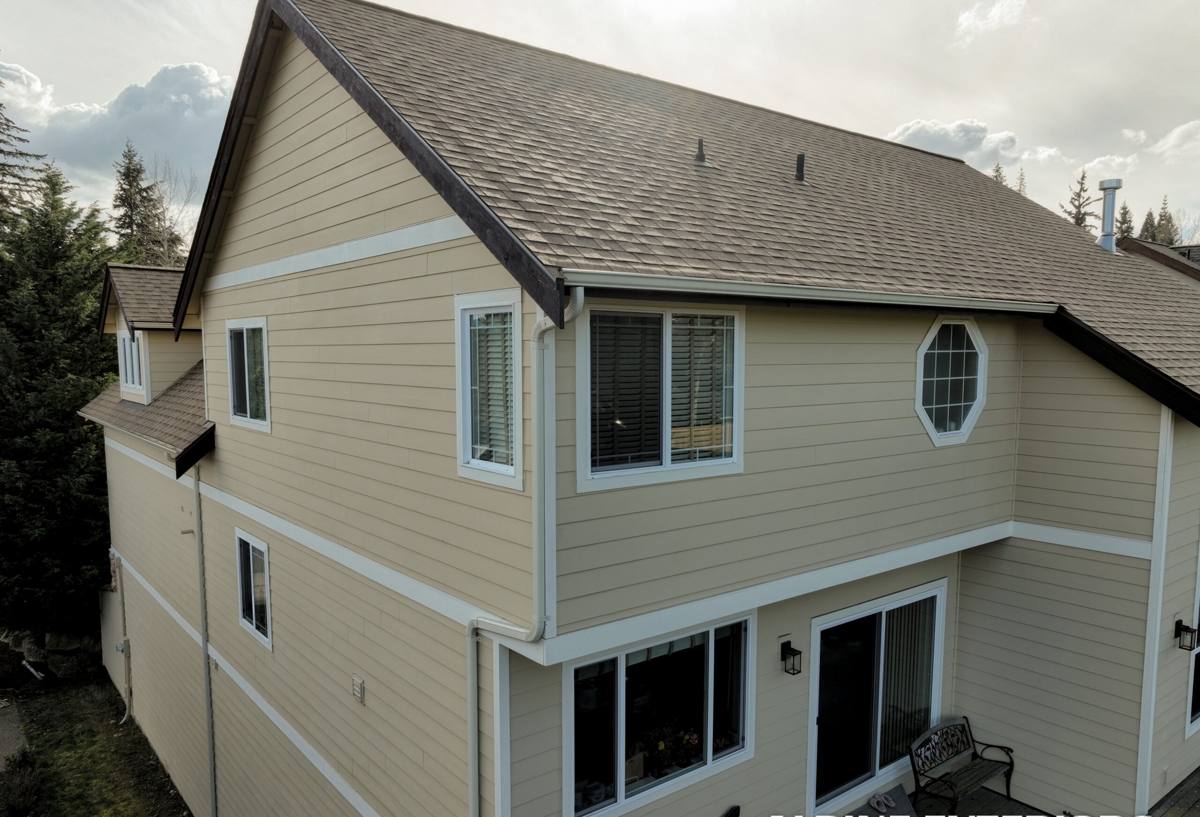
Signs a Roof Needs Replacement, Not Another Repair
Homeowners in and around Oldsmar often call us after a leak, but a leak is usually a symptom of a roof that's already past the point where patching makes financial sense. Some patterns we watch for:
- Granule loss heavy enough that you can see bare, shiny patches on the shingle surface
- Shingles that are cupping, curling at the edges, or cracking in multiple spots rather than one isolated area
- Leaks showing up in more than one location, or in a new location shortly after a repair
- Soft or springy decking felt underfoot in the attic or noticed during an inspection
- A roof that's at or past the manufacturer's expected service life, especially if it's never been inspected after a major storm
- An insurance carrier flagging the roof's age at renewal, or requiring a wind mitigation update
One or two of these on their own might mean a repair is enough. Several together, especially on a roof that's aged 15-20+ years, usually mean the cost of continued patching outweighs the cost of doing it right once.
What a Correct New Roof Installation Actually Involves
"New roof" covers a lot of ground, and the difference between a roof that holds up through a decade of Gulf storms and one that doesn't usually comes down to what's underneath the shingles or panels, not the shingles themselves.
Decking and Sheathing
Once the old roofing is stripped, the deck gets inspected board by board. Any wood that's soft, delaminated, or water-stained gets replaced before anything new goes down — covering over bad decking is one of the most common shortcuts that leads to early failure, and it's not something you can see or fix later without tearing the new roof back off.
Underlayment for Wind-Driven Rain
In a climate where storms push rain sideways and sometimes upward under wind pressure, the underlayment is doing real work, not just serving as a backup layer. Self-adhered, high-wind-rated underlayment along eaves, valleys, and roof-to-wall transitions gives the roof a sealed layer that standard felt doesn't provide in the same way.
Flashing Details
Flashing around chimneys, vents, skylights, and wall intersections is where most roof leaks actually originate, not the field of the roof itself. Reusing old flashing to save time is a common corner-cutting move — we replace it as part of the installation rather than working around it.
Ventilation
Florida attics take on serious heat, and a poorly ventilated attic shortens the life of the roofing material from underneath while it's also getting cooked from above by UV. Balanced intake and exhaust ventilation matters as much as the roofing material choice.
Fastening to Wind Code
Pinellas County requires roofing to meet Florida Building Code wind-load requirements, which govern nail pattern, nail type, and fastening at high-stress zones like ridges, hips, and roof edges. This isn't optional or a premium upgrade — it's the baseline for a roof that's supposed to survive hurricane-strength wind events without losing shingles or panels at the edges first.
Comparing Roofing Materials for a Safety Harbor Home
There's no single "best" roofing material for every home — it depends on budget, how long you plan to stay in the house, and how much ongoing maintenance you want to take on. Here's how the common options stack up against this specific climate:
| Material | Wind & Storm Performance | UV / Heat Aging | Salt Air Durability | Typical Maintenance |
|---|---|---|---|---|
| Architectural asphalt shingle | Good, when rated and installed to code | Moderate — granule loss over time | Good with proper flashing metals | Low; periodic inspection |
| Standing seam metal | Very good; fewer failure points at edges | Very good; reflects heat well | Good with coastal-rated coatings and fasteners | Low; occasional fastener/sealant check |
| Concrete or clay tile | Very good when properly fastened and battened | Excellent; UV has little effect on tile itself | Excellent | Moderate; underlayment beneath tile ages and eventually needs attention |
Tile often gets an undeserved reputation as "install and forget," but the underlayment beneath the tile is still a regular roofing membrane doing the waterproofing work — it ages on its own schedule regardless of how good the tile above it looks. Metal and architectural shingle roofs put more of that waterproofing responsibility into the visible surface layer, which is one reason inspection intervals differ by material.
Permits, Wind Mitigation, and Insurance in Pinellas County
A new roof in Safety Harbor requires a permit through the appropriate local building authority, along with inspections at defined points in the installation — typically after dry-in and again at final completion. This isn't paperwork for its own sake; it's what confirms the roof was actually built to the wind-load and moisture standards the code requires, and it's what your insurance company will ask to see if you ever file a claim.
After a qualifying reroof, homeowners in Florida can typically have a wind mitigation inspection completed and submitted to their insurer. Depending on the materials and fastening methods used, this can lower windstorm premiums — sometimes meaningfully, since insurers weight roof age and construction heavily in coastal Pinellas County. We provide the documentation homeowners need to submit for that inspection as part of a completed installation.
Our Local Installation Process, Start to Finish
- Inspection and estimate — we look at the current roof, attic ventilation, and any problem areas, and walk through material options honestly, including trade-offs in cost and maintenance.
- Permit and scheduling — we pull the required permit and schedule around weather, since dry-in day needs a clear stretch to avoid an open deck getting rained on.
- Tear-off and deck inspection — old roofing comes off, and the deck gets checked and repaired board by board before anything new goes down.
- Dry-in — underlayment and flashing go on the same day the deck is exposed, so the home isn't left vulnerable overnight.
- Roof covering installation — shingles, metal, or tile installed to the fastening pattern the wind code requires for this area.
- Cleanup and haul-away — old materials and debris removed from the property, including a magnetic sweep for stray nails.
- Final inspection and paperwork — code inspection sign-off, plus wind mitigation documentation for your insurer.
Why a Crew That Already Works Safety Harbor Matters
A roofing crew that regularly works in and around Safety Harbor and Oldsmar knows the local permitting process without a learning curve, understands how established neighborhoods with heavier tree canopy tend to accumulate debris load on a roof between storms, and has a realistic sense of how busy scheduling gets in the run-up to and aftermath of hurricane season. That familiarity translates into fewer surprises mid-project — knowing which inspection windows tend to book up, how HOA or neighborhood expectations around roofline appearance typically run, and what wind exposure realistically looks like for a given lot given its proximity to the bay.
It also matters for accountability. A crew that plans to keep working in this specific area has every reason to install the roof correctly the first time and stand behind it, rather than treating the job as a one-off.
New Roof Installation Checklist for Safety Harbor Homeowners
- Contractor is licensed to work in Florida and carries current liability and workers' comp insurance
- A permit is pulled through the local building department before work begins
- Old decking is inspected and any damaged sections are replaced, not covered over
- Underlayment is rated for wind-driven rain, not just standard felt
- Flashing at chimneys, vents, and wall transitions is replaced, not reused
- Fastening pattern matches Florida Building Code wind-load requirements for this area
- Attic ventilation is balanced (intake and exhaust), not just exhaust vents added
- Job site and yard are cleaned up, including a check for stray nails and debris
- Final inspection is completed and documented
- Wind mitigation paperwork is provided for submission to your insurance carrier
If your roof is showing its age or you're just trying to plan ahead of the next storm season, we're happy to take a look and walk you through honest options — no pressure, no hard sell. Use the form below to request a free estimate for your Safety Harbor home.