 Oldsmar Siding
 Why Safety Harbor Roofs Wear Differently Than Roofs Inland
Safety Harbor sits along the water in Pinellas County, and that location shapes what a roof has to survive. Homes here deal with a combination that inland Florida towns don't see in the same intensity: salt-laden air off the harbor, wind-driven rain that gets pushed sideways under poorly sealed edges, and near-constant UV exposure that bakes shingle granules and asphalt oils year-round. Add hurricane-season wind loads on top of that, and you have a roofing environment that punishes shortcuts a lot faster than it would in a drier, cooler climate.
None of this means asphalt shingles are a poor choice for Safety Harbor. They remain one of the most cost-effective, proven roofing systems available, and they perform well here when they're specified and installed correctly for this environment. The problems we see almost always trace back to a roof that was built to a generic spec rather than a Gulf Coast one — thinner underlayment, under-fastened shingles, or ventilation that wasn't sized for a hot, humid attic.
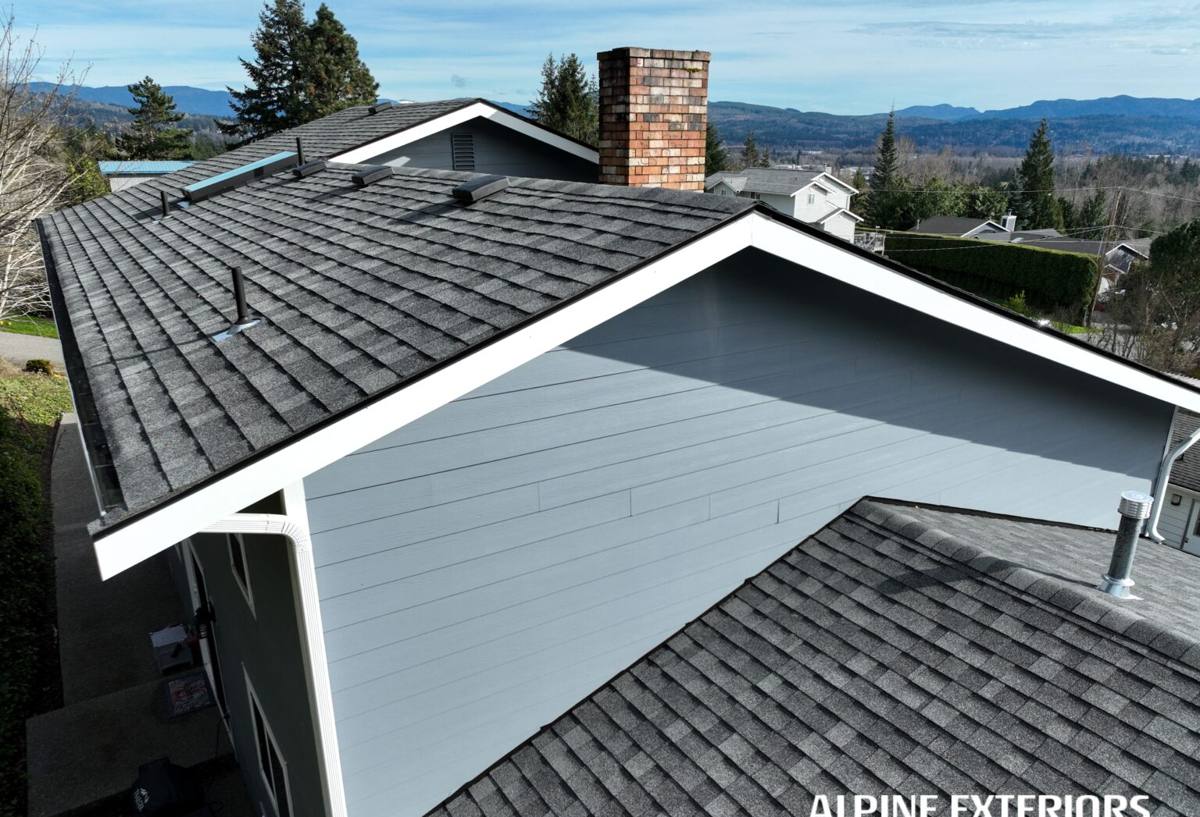
What Local Conditions Demand From a Shingle Roof
Wind Resistance
Pinellas County building code requires roofing materials and installation methods rated for high-velocity hurricane wind zones. That's not just a shingle spec — it's also about fastener count, nail placement, and starter strip installation at the eaves and rakes, which is where wind uplift most often begins peeling a roof.
Water Intrusion From Driving Rain
Florida storms rarely fall straight down. Wind-driven rain gets forced up under shingle tabs and around penetrations like vent stacks, chimneys, and skylights. A correct installation depends on properly lapped underlayment, sealed valleys, and flashing details that account for water moving sideways, not just downward.
UV and Heat Cycling
Constant sun exposure dries out asphalt over time and causes granule loss, which is the first visible sign of a shingle nearing the end of its service life. Attic heat compounds this from underneath, which is why ventilation is as much a part of a good roofing job as the shingles themselves.
Salt Air
Proximity to the harbor and Tampa Bay means metal flashing, fasteners, and vents are exposed to salt in the air, which accelerates corrosion on lower-grade hardware. Using corrosion-resistant metal components isn't optional this close to the water — it's a durability decision that pays off over the life of the roof.
Signs a Safety Harbor Roof Needs Attention
Most shingle roofs fail slowly and give warning signs well before a leak shows up inside the house. Homeowners in this area should watch for:
- Shingles that look curled, cupped, or are losing granules faster in patches (usually south- and west-facing slopes take the worst UV exposure)
- Cracked or missing shingles after a storm, even if there's no visible leak yet
- Rust streaking near flashing, vents, or valleys
- Soft spots in the decking felt underfoot on the roof, or sagging visible from the ground
- Granules collecting in gutters or at downspout discharge points
- Daylight visible through the roof deck from inside the attic
- Musty odor or visible staining on attic insulation or rafters
Any one of these on its own isn't necessarily an emergency, but ignoring several at once is how a repairable roof turns into a full replacement.
Our Asphalt Shingle Roofing Process
Inspection and Honest Assessment
We start by getting on the roof, not just looking at it from the driveway. We check the deck, flashing, ventilation, and the shingles themselves, and we tell you plainly whether you're looking at a repair, a partial re-roof, or a full replacement. We don't upsell a full roof when a targeted repair will hold.
Tear-Off and Deck Inspection
For a full replacement, we remove existing roofing down to the deck. This is the point where hidden damage — soft plywood, old leaks, rotted framing — actually gets found and fixed, rather than covered up and left to fail later.
Underlayment and Flashing
We install underlayment rated for this climate, with proper overlap and sealing at seams, valleys, and penetrations. New flashing goes in at chimneys, walls, and vent stacks rather than reusing old, corroded pieces — this is one of the most common places we find shortcuts on roofs we're asked to fix.
Shingle Installation to Wind-Rated Spec
Fastener count and placement follow manufacturer specifications for high-wind installation, not the minimum code allows. Starter strips at eaves and rakes are installed correctly, since that's the edge wind gets under first.
Ventilation Check
We evaluate intake and exhaust ventilation as part of every re-roof. A shingle roof installed over a poorly ventilated attic will run hotter and age faster, regardless of shingle quality.
Final Walkthrough
We walk the finished roof and the property with you, covering cleanup, warranty paperwork, and what to expect going forward.
Shingle Options and Cost Factors
Shingle choice affects both upfront cost and how the roof performs against Safety Harbor's wind and sun. Here's how the common options compare:
| Shingle Type | Typical Wind Rating | Expected Lifespan | Best Fit |
|---|---|---|---|
| 3-Tab Shingles | Lower end of code-rated options | Shorter end of the range | Budget-conscious projects, secondary structures |
| Architectural (Laminate) Shingles | Higher wind ratings available, rated for HVHZ use | Mid-to-long range | Most Safety Harbor homes — the standard recommendation |
| Impact-Resistant (Class 4) Shingles | High wind ratings, added impact resistance | Long range, often with extended manufacturer warranties | Homes seeking insurance premium credits and added storm resilience |
Beyond the shingle line itself, the real cost drivers on most jobs are roof size and pitch, how much decking needs replacement once the old roof comes off, the number and complexity of penetrations (chimneys, skylights, multiple vent stacks), and whether ventilation upgrades are needed. We break these out in writing so you know exactly what you're paying for rather than getting a single lump number.
Ventilation and Attic Health
A shingle roof doesn't work in isolation from the attic underneath it. Balanced intake (typically soffit vents) and exhaust (ridge or other exhaust vents) let heat and moisture escape instead of baking the underside of the deck and the shingles above it. In a climate as hot and humid as Pinellas County's, poor ventilation shows up as premature shingle aging from the inside out, higher cooling costs, and in worse cases, moisture buildup that damages the deck itself. We check this on every project rather than treating it as an upsell.
Permits, Wind Mitigation, and Insurance
Roofing work in Oldsmar and Safety Harbor requires a permit through Pinellas County or the applicable local jurisdiction, and inspections confirm the work meets Florida's high-velocity hurricane zone requirements. We handle the permitting process as part of the job.
A new roof is also the natural time to update your wind mitigation inspection. Insurance carriers offer premium credits for features like proper roof-to-wall attachment, secondary water barriers, and impact-rated materials — a new roof installed to current code can meaningfully change your windstorm insurance costs, and it's worth discussing with your agent once the work is done.
Maintenance That Extends the Life of Your Roof
Asphalt shingle roofs in this climate benefit from regular, simple upkeep. A short annual routine catches small problems before they become expensive ones:
- Walk the yard after major storms and look for shingle debris or granules on the ground
- Keep gutters clear so water doesn't back up under the shingle edge
- Trim back tree limbs that overhang the roof to reduce abrasion and debris buildup
- Check attic insulation and rafters for staining after heavy rain events
- Have flashing around chimneys and vents inspected every few years, since these are common leak points before the shingles themselves fail
- Schedule a roof inspection after any named storm that produces sustained high winds
Why a Crew That Already Works Safety Harbor Matters
Roofing crews unfamiliar with coastal Pinellas conditions often default to generic, lower-cost specs that meet the letter of code but aren't built for what this location actually throws at a roof. A crew that regularly works in Safety Harbor and the surrounding Oldsmar area already knows which flashing details fail first in salt air, how local permitting and inspection processes run, and what wind mitigation documentation insurance carriers actually want to see. That familiarity shows up in fewer callbacks and a roof that holds up the way it's supposed to, not just on the day it's installed but through the next several storm seasons.
If your Safety Harbor home needs a roof inspection, a repair, or a full asphalt shingle replacement, we're happy to take a look and give you a straight answer. Reach out for a free, no-pressure estimate using the form below.