 Oldsmar Siding
 Safety Harbor's Climate Is Harder on Siding Than Most Homeowners Realize
Safety Harbor sits along Old Tampa Bay in Pinellas County, and that waterfront location comes with a specific set of demands on a home's exterior. Salt-laden air drifts inland off the bay and slowly attacks anything that isn't built to resist it. Summer humidity stays high for months at a time, keeping moisture pressed against exterior walls. Afternoon storms roll in with wind-driven rain that gets forced sideways into seams, laps, and trim joints. And Florida sun runs at a higher UV intensity than most of the country, all year round, not just in summer.
Individually, none of these are unusual for a Gulf Coast town. Together, they add up to an environment that finds every weakness in a siding installation — a poorly flashed window, a fastener driven at the wrong angle, a butt joint that wasn't sealed correctly. On a lot of houses, siding fails long before it should not because the material was bad, but because the installation didn't account for what this specific climate does to a home over years, not days.
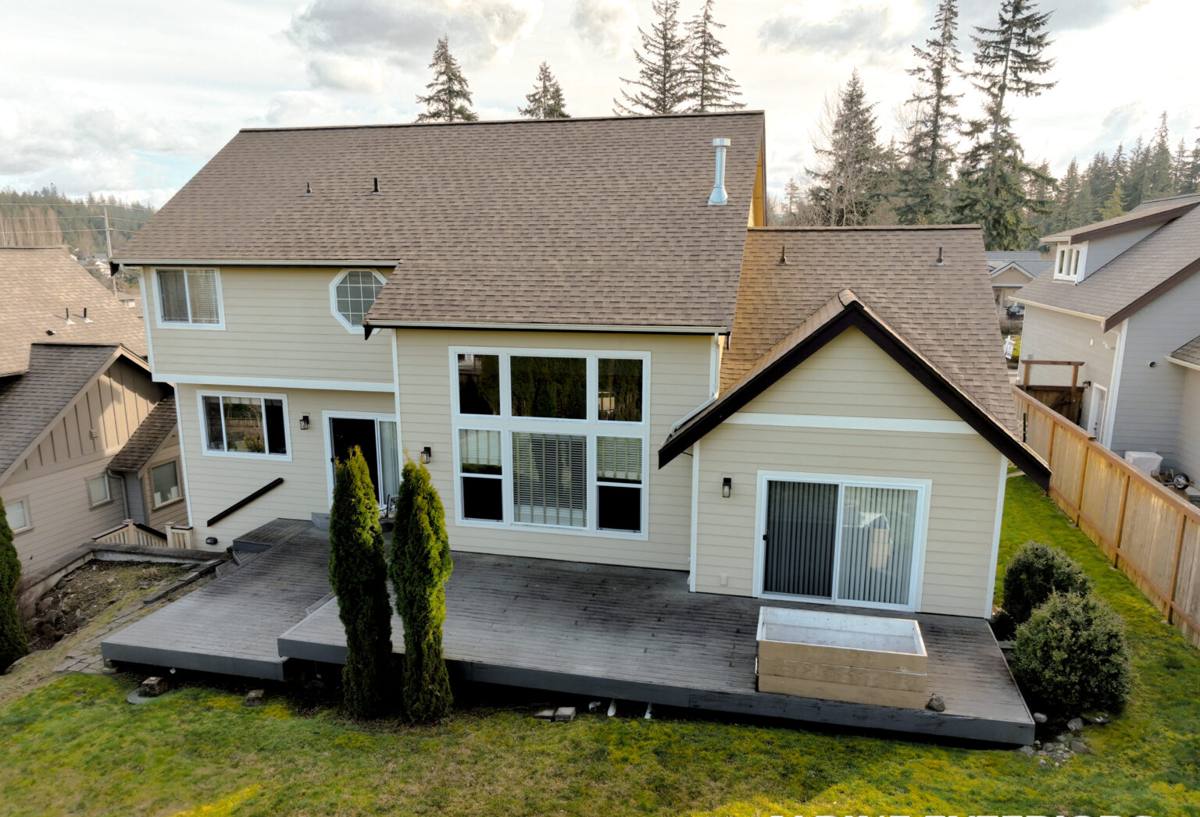
What "Correct" Siding Installation Actually Means Here
Siding installation isn't just cutting boards to length and nailing them to the wall. In a coastal Pinellas County environment, the details that don't show up in a walkthrough are usually the ones that determine whether the siding lasts fifteen years or thirty-five.
Moisture Management Behind the Siding
Every wall needs a drainage plane — a water-resistive barrier installed correctly, lapped properly, and integrated with window and door flashing so that any moisture that does get behind the cladding has somewhere to go besides the wall sheathing. This matters more in Safety Harbor than in a dry inland climate because humidity keeps assemblies damp longer, giving trapped moisture more time to do damage.
Fastening and Clearances
Fiber cement siding has manufacturer-specified nailing patterns, fastener types, and clearance requirements from grade, roof lines, and other flashing. Hurricane-force wind events put real uplift and lateral load on siding, and a job that ignores fastening spec is a job that's more likely to see boards work loose or blow off in a bad storm. Clearance from the ground and from horizontal surfaces like decks or patios also keeps the bottom edge of the siding from sitting in standing moisture.
Joint and Seam Treatment
Butt joints, corners, and terminations at windows, doors, and trim are where wind-driven rain finds its way in. These need to be treated with the right sealant, in the right joints, in the right amount — not caulked everywhere as a blanket fix, which can actually trap moisture in the wrong places.
How Our Process Works for a Safety Harbor Project
- On-site evaluation. We look at the existing siding, the condition of the wall assembly underneath where accessible, and any problem areas — window flashing, corners, areas facing prevailing wind and rain.
- Scope and product selection. We walk through which James Hardie product line and profile fits the home, and explain the ColorPlus finish options.
- Tear-off and substrate check. Old siding comes off and we inspect the sheathing underneath for rot or moisture damage before anything new goes up — this is the point where hidden problems get found and fixed, not covered over.
- Weather barrier and flashing. A correctly lapped water-resistive barrier goes on, integrated with new flashing at every window, door, and penetration.
- Installation to manufacturer spec. Fastening pattern, clearances, and joint treatment follow James Hardie's published installation requirements for our wind zone, not a generalized approach.
- Final inspection and walkthrough. We check seams, caulking, and trim details before calling the job finished.
Why We Only Install James Hardie Fiber Cement
We made a decision early on to standardize on one siding system rather than offer several, and it comes down to what holds up in this climate with the least amount of ongoing homeowner maintenance. James Hardie fiber cement is non-combustible, which matters in Florida's summer lightning and wildfire-adjacent conditions. It's engineered specifically for high-humidity, high-moisture climates through Hardie's HZ10 product line, which is built for exactly the coastal Gulf conditions Safety Harbor sits in. The ColorPlus factory finish is baked on under controlled conditions, which gives it more consistent UV and fade resistance than a field-applied paint job, and it carries a stronger, transferable warranty structure than most field-finished alternatives.
That doesn't mean every other siding product on the market is a bad product. Vinyl, LP SmartSide, and other fiber cement brands each have legitimate use cases and loyal customers. Our position is narrower than that: for the way we operate as a crew, and for what we're willing to stand behind long-term on a home in Pinellas County's climate, Hardie is the system that lines up best with our standards. We'd rather install one product exceptionally well than several products adequately.
Siding Material Comparison for Coastal Pinellas County Conditions
| Factor | James Hardie Fiber Cement | Vinyl Siding | Wood / Engineered Wood |
|---|---|---|---|
| Salt air resistance | Strong — non-organic, resists corrosion-driven degradation | Moderate — can chalk and become brittle over time | Weaker — more prone to moisture and pest issues near the coast |
| Wind resistance (properly installed) | Strong — rated for high wind zones when installed to spec | Can deform or detach in sustained high wind | Varies by product and fastening |
| UV / fade resistance | Strong with factory ColorPlus finish | Can fade and become chalky under intense UV | Requires ongoing paint or stain maintenance |
| Fire resistance | Non-combustible | Combustible | Combustible |
| Typical maintenance | Low — occasional wash, repaint on a longer cycle | Low but limited repair/color options | Higher — regular repainting/resealing needed |
Signs Your Current Siding May Be Failing
Homeowners in Safety Harbor often live with early warning signs for years before addressing them, mostly because they aren't sure what they're looking at. Worth having evaluated:
- Soft or spongy spots when you press on the siding, especially near the bottom edge or around windows
- Visible warping, buckling, or boards that no longer sit flat against the wall
- Persistent staining or streaking that doesn't wash off, which can indicate moisture tracking behind the surface
- Peeling or bubbling paint that keeps coming back in the same spots after repainting
- Cracked or missing caulk at joints, corners, and trim
- A musty smell in interior rooms along an exterior wall
- Visibly loose panels or fasteners backing out after storm season
Any one of these on its own isn't necessarily an emergency, but they're worth a professional look before the next hurricane season or rainy stretch.
Why It Matters That We Already Work in This Area
A crew that regularly works Safety Harbor and the broader Oldsmar area already understands the wind exposure patterns near the bay, the humidity load local homes carry through the summer, and the kind of storm intensity the siding actually has to survive here — not a generic coastal spec, but this coastline. That familiarity shows up in small decisions on the job: how tight to run clearances, where extra flashing attention pays off, which sides of a house take the worst of prevailing wind-driven rain. It also means we're a known, reachable local business if a warranty question or a storm-related concern comes up years down the road, not a crew that worked the area once and moved on.
What to Ask Before Hiring a Siding Contractor Locally
- Do they install to the manufacturer's published specification for our wind zone, or a generic standard?
- Will they inspect and address the wall sheathing underneath before installing new siding, not just cover over it?
- What does their warranty actually cover, and is it transferable if you sell the home?
- Do they have experience with James Hardie's HZ10 climate-specific product line specifically?
- Can they explain their flashing and moisture-barrier approach in plain terms, not just "we seal everything"?
What to Expect After Installation
Properly installed James Hardie siding is genuinely low-maintenance, but "low" isn't "none." A periodic rinse to clear salt residue and pollen buildup keeps the ColorPlus finish looking its best. It's worth a visual check after major storms for any loose trim or caulking that needs attention, and keeping an eye on caulked joints over the years is a good habit regardless of what siding a home has. Beyond that, homeowners in Safety Harbor generally find that a correctly installed Hardie system asks very little of them compared to what they were used to maintaining before.
If your Safety Harbor home's siding is showing its age, or you're planning ahead of your next storm season, we're happy to come take a look and give you a straightforward, no-pressure estimate using the form below.