 Oldsmar Siding
 Windows Built for What Dunedin Weather Actually Does
Dunedin sits close enough to the water that its homes take a different kind of beating than houses twenty miles inland. Salt-laden air off the Gulf works into weep holes, fasteners, and frame seams year-round. Summer UV bakes vinyl and rubber glazing seals for eight or nine months straight. Afternoon storms bring wind-driven rain that finds every gap a window wasn't sealed to handle, and when a tropical system tracks through Pinellas County, the pressure swings on a poorly installed window can do more damage than the wind itself.
None of that is unique to any one street in Dunedin — it's the baseline for anywhere this close to the coast. What it means practically is that a window installation here has to do three jobs at once: keep water out under wind-driven rain, hold up to sustained UV without the frame or seal degrading early, and resist salt air corrosion on hardware and fasteners that a landlocked installer might not think twice about. A window that's a fine choice in a drier, calmer climate can underperform here within a few years if it wasn't specified and installed with those conditions in mind.
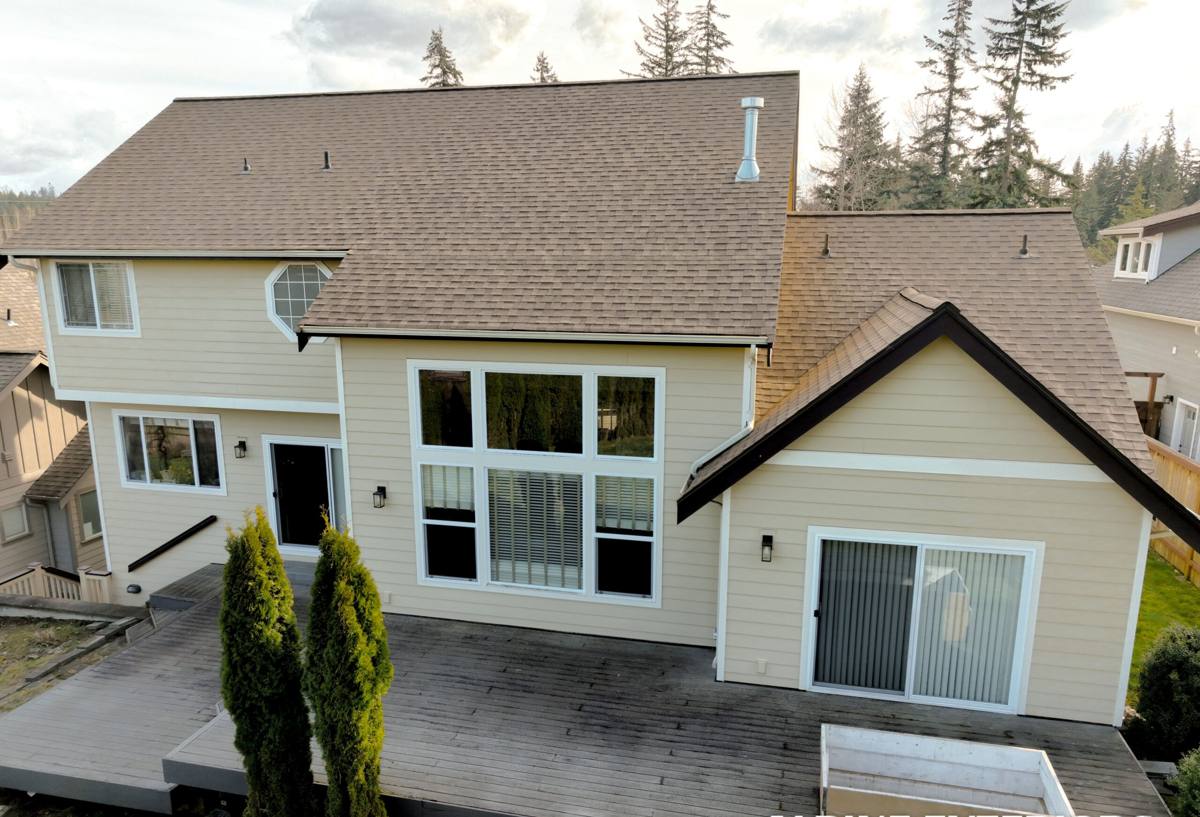
What a Correct Window Installation Actually Involves
Window installation gets treated like a simple swap-and-caulk job more often than it should. Done correctly, it's a sequence where each step protects the next one:
- Removing the old unit without damaging the rough opening framing, and inspecting that framing for rot or moisture damage before anything new goes in
- Confirming the opening is square, level, and plumb — shimming as needed so the new window isn't installed under stress
- Installing flashing and a water管理 plane (sill pan, jamb flashing, head flashing) so any water that does get past the exterior finish drains back out instead of into the wall cavity
- Setting the window with the correct fastening schedule for its size and the local wind-load requirement, not just "enough screws to hold it"
- Sealing with backer rod and a compatible sealant at the right joints — sealant is not a substitute for proper flashing, it's the last line of defense, not the first
- Insulating the gap between frame and rough opening with a low-expansion foam or backer material that won't bow the frame
- Reinstalling interior and exterior trim, then testing operation and checking for square, smooth movement, and a tight seal
Skip the flashing step, rush the shimming, or use the wrong fastener into a masonry versus wood-framed opening, and the window can look perfect on install day while quietly letting water into the wall over the following seasons. This is the part of the job that doesn't show up in a photo but determines whether the installation lasts fifteen years or three.
Why Sill Pan Flashing Matters More Here
A sill pan — a shaped, water-tight liner set under the window before it's installed — is cheap insurance against the single most common failure point in window installation: water sitting on the sill and working into the framing below. In a climate with regular wind-driven rain, skipping this step is one of the more common shortcuts we see on prior installs when we're called out to fix a leak.
How Our Process Works, Start to Finish
We keep the process straightforward because homeowners deserve to know what's happening in their house and why:
- On-site assessment. We look at the existing windows, the rough openings, and any signs of past water intrusion before quoting anything.
- Product selection. We walk through frame material, glass package, and impact-rating options based on the home's exposure and your budget — no upselling to a spec the house doesn't need.
- Written estimate. Scope, product, and price in writing, with permit and disposal costs called out separately so there are no surprises.
- Permitting. Window replacement in Pinellas County generally requires a permit and inspection — we handle that paperwork rather than leaving it to the homeowner.
- Installation. Old units out, openings inspected and repaired if needed, new units flashed, set, sealed, and insulated per the steps above.
- Final walkthrough. We test every window with you before we call the job done, and we're the ones who show up if something needs adjustment afterward.
Choosing the Right Frame and Glass for This Exposure
Frame material and glass package matter more here than in a milder climate, because the failure modes — corrosion, UV degradation, seal failure under pressure cycling — are accelerated by salt air and sun exposure. Here's how the common options actually compare for a Gulf-coast Pinellas County home:
| Frame Type | Salt Air / Corrosion Behavior | UV / Sun Exposure Behavior | Typical Trade-off |
|---|---|---|---|
| Vinyl | No metal corrosion; hardware quality varies by manufacturer | Quality vinyl holds up well; cheaper vinyl can yellow or warp over time | Best value; performance depends heavily on product tier |
| Aluminum | Needs marine-grade coating or it corrodes faster near the coast | Very stable dimensionally in heat | Strong and slim sightlines, but coating quality is critical this close to salt air |
| Fiberglass | Excellent corrosion resistance | Very stable, minimal expansion/contraction | Higher upfront cost, longest expected service life |
| Wood/wood-clad | Vulnerable without diligent maintenance | Needs regular refinishing in high UV | Best interior appearance, highest maintenance burden here |
Glass package matters just as much as the frame. For homes in this part of Pinellas County, we generally recommend impact-rated or laminated glass units rated to current Florida Building Code wind-borne debris requirements, paired with a low-E coating to cut down on solar heat gain — that combination does double duty for storm protection and summer cooling costs.
Signs It's Time to Replace, Not Repair
Not every problem window needs full replacement, but certain signs mean repair is just delaying the real cost:
- Fogging or a visible film between panes — the seal has failed and the insulating gas is gone; this can't be repaired, only replaced
- Soft or discolored wood/trim around the frame — a sign water has already gotten into the wall assembly
- Windows that are difficult to open, close, or lock — often a sign the frame has shifted or warped
- Visible daylight or a noticeable draft around a closed window
- Chalking, pitting, or corrosion on aluminum frames or hardware
- Noticeably higher cooling bills without another clear cause
What Affects the Cost of a Window Installation
Every home and job is different, but the same handful of factors drive most of the cost variation we see:
| Factor | Why It Matters |
|---|---|
| Frame material (vinyl vs. aluminum vs. fiberglass) | Material cost and expected service life vary significantly |
| Impact rating | Impact-rated or laminated glass costs more upfront but can reduce or eliminate the need for separate storm protection |
| Number and size of openings | Larger and more numerous windows mean more material and labor |
| Condition of the rough opening | Rot or prior water damage found during removal adds repair scope before the new window can go in |
| Retrofit vs. full-frame replacement | Full-frame replacement costs more but is often the right call when the existing frame is compromised |
| Permit and inspection fees | Set by the county/municipality, not the contractor, and required for most window replacement work |
We give a firm, itemized number after seeing the actual openings — not a phone-quote guess — because the condition behind the old window is the biggest unknown until it's opened up.
Permits, Codes, and Wind Ratings in Pinellas County
Window replacement in this part of Florida isn't a project you can do off the books and expect it to hold up at resale or under an insurance claim. Pinellas County and its municipalities require permits for window replacement, and the installed product has to meet current Florida Building Code wind-borne debris and pressure requirements for the home's location and elevation. An installer who doesn't pull permits, or who installs a window that isn't properly rated for the address, can leave you with a problem that surfaces later — at a home inspection, an insurance renewal, or a storm. We pull the permit, schedule the inspection, and make sure the product on the label matches what the code requires for that specific home.
Why a Crew That Already Works Dunedin Matters
Window installation isn't a generic trade you can practice anywhere and apply the same everywhere. A crew that regularly works homes in and around Dunedin and Oldsmar already knows which failure patterns show up in this part of Pinellas County — where sill flashing tends to get skipped on older builds, which frame products actually hold up under this level of salt exposure, and what the local permitting process expects. That's the difference between a contractor learning your climate on your house and one who already has.
Being local also means we're the ones who answer the phone if a window needs adjustment after a storm, not a call center for a company that installed and moved on. For a job that's supposed to protect your home for the next fifteen to twenty years, that accountability matters as much as the product on the label.
Caring for New Windows After Installation
A correctly installed window still needs a small amount of upkeep to get its full lifespan out of it in this climate:
- Rinse frames and tracks periodically to clear salt residue, especially on aluminum hardware
- Keep weep holes clear of debris so water can drain out as designed
- Inspect exterior caulk lines annually and re-seal if you see cracking or separation
- Operate locks and hardware a few times a year even on windows you don't open often, to keep mechanisms from seizing
None of this is heavy maintenance — it's the same kind of periodic check most homeowners already do for other parts of the exterior, and it goes a long way toward protecting the installation investment.
If you're weighing repair versus replacement, or just want a straight answer on what your windows need, we're glad to take a look and put together a free, no-pressure estimate — the form below gets you started.