 Oldsmar Siding
 Storm Damage Roof Repair for Countryside Homes Near Oldsmar
Countryside sits close enough to the coast that every roof in the area eventually deals with the same set of problems: hurricane-force wind gusts, wind-driven rain that finds its way in sideways, relentless UV that bakes shingles and tile from above, and a steady dose of salt air moving in off the Gulf. None of that is unique to any one storm — it is the baseline weather pattern for this part of Pinellas County, and it means roofs here age differently than roofs inland. A repair that looks fine on the surface but ignores what the local climate does to a roof over time tends to fail again within a year or two, usually during the next round of heavy weather.
This page is about one job done right in one area: storm damage roof repair for homes in and around Countryside, near Oldsmar. Not a general roofing overview — the specific work of assessing what a storm actually did to a roof, fixing it correctly, and making sure the repair holds up through the next system that comes through.
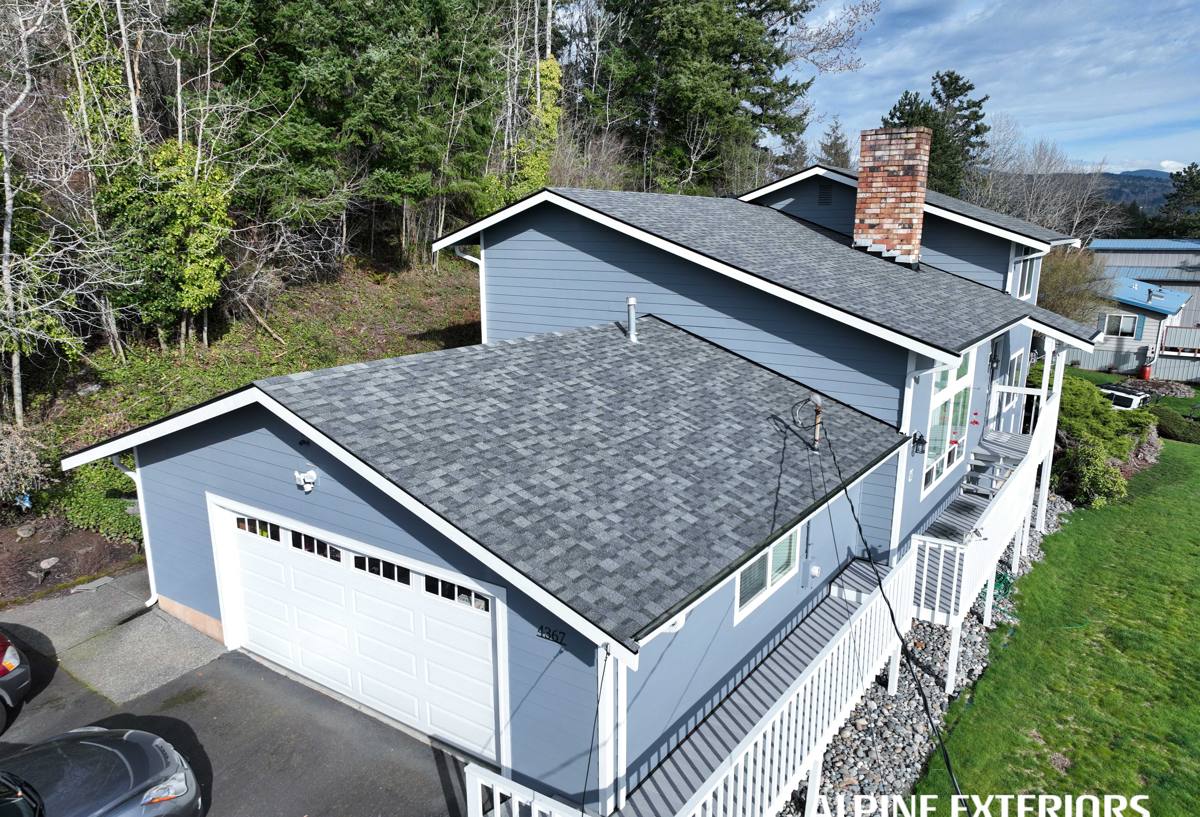
What Storm Damage Actually Looks Like
Storm damage is rarely as obvious as a hole in the roof. Most of what we find during an inspection after a wind or rain event falls into a handful of categories, and homeowners often don't notice them from the ground.
- Lifted, creased, or missing shingles where wind got underneath the tab and broke the seal
- Cracked, slipped, or displaced tiles, especially near ridges, hips, and valleys
- Torn or punctured underlayment exposed after shingle or tile loss
- Bent, lifted, or separated flashing around chimneys, vents, skylights, and roof-to-wall joints
- Granule loss on asphalt shingles from wind-blown debris or driving rain, which accelerates UV breakdown underneath
- Soft spots or staining in the decking where water has been getting through slowly, sometimes for weeks before it's noticed inside
- Clogged or torn-loose gutters and downspouts that let water pool against the roofline instead of draining away
The tricky part is that wind and rain damage often shows up as a slow leak rather than a dramatic failure. A homeowner in Countryside might not see a ceiling stain for weeks after the storm that actually caused it — by which point the decking underneath has had time to absorb moisture it shouldn't have.
Why Wind-Driven Rain Is the Bigger Threat
Straight-down rain is manageable for almost any roof system. Wind-driven rain is a different problem — it gets pushed sideways and upward under shingle tabs, tile laps, and flashing edges that were never designed to shed water moving in that direction. This is the single biggest cause of hidden leaks we see after wind events in this part of Florida, and it's exactly why a repair has to address the underlayment and flashing, not just whatever shingles or tiles are visibly missing.
What a Correct Storm Damage Repair Involves
A repair that only replaces what's visibly missing is an incomplete repair. The roof deck, underlayment, and flashing take the real abuse during a storm, and any of them can be compromised even where the surface layer still looks intact.
Roof Deck Inspection
Once damaged shingles or tiles are pulled back, we check the decking underneath for soft spots, delamination, or water staining. Wet or rotted decking has to be replaced before anything goes back down — covering compromised decking with new shingles just hides a structural problem under a fresh surface.
Underlayment
Underlayment is the roof's actual water barrier — the shingles or tiles are the first line of defense, but the underlayment is what keeps a home dry if that first line gets breached, which is common during high-wind events. Torn or aged underlayment gets replaced in the repair area, not patched over.
Flashing
Flashing failures around chimneys, skylights, pipe boots, and wall intersections are one of the most common sources of leaks that get blamed on "the roof" when the actual roofing material is fine. Flashing has to be resealed or replaced with attention to how it integrates with the surrounding material, not just caulked over.
Matching Materials
For a partial repair, matching the existing shingle or tile profile and color matters — both for appearance and because mismatched materials can shed water differently at the seams. Where an exact match isn't available due to sun-fading on the existing roof or product discontinuation, we'll walk through the honest options rather than installing something that won't blend or perform consistently.
How Our Process Works
Storm repair work benefits from a consistent process, especially when insurance is involved. Here's how we handle it from first call to final walkthrough.
- Initial inspection. We get on the roof (or use a drone where roof access is unsafe) and document everything — not just the obvious damage, but flashing, valleys, penetrations, and the decking wherever it's exposed.
- Written scope and photos. You get a clear explanation of what's damaged, what caused it, and what needs to happen to fix it correctly — in plain language, not a vague line item.
- Insurance coordination, if applicable. If you're filing a claim, we can meet the adjuster on-site and make sure our documentation lines up with theirs. We work for you, not the insurance company, and we'll flag it directly if we think an estimate is missing damage that's actually there.
- Repair execution. Decking, underlayment, flashing, and surface material get addressed in that order — not skipped to save time.
- Final walkthrough. We show you what was done and why, and address any questions before we consider the job finished.
Repair Versus Replacement: How We Make That Call
Not every storm-damaged roof needs a full replacement, and not every roof that "looks okay" is actually fine. The right call depends on the age of the roof, the extent of the damage, and how much of the underlying structure was affected.
| Factor | Leans Toward Repair | Leans Toward Replacement |
|---|---|---|
| Roof age | Under 10-12 years | Near or past manufacturer's expected service life |
| Extent of damage | Localized to one section or slope | Spread across multiple slopes or the whole roof |
| Decking condition | Dry, solid decking under damaged area | Widespread soft spots or rot found during inspection |
| Prior repair history | First or second repair on this roof | Repeated patch jobs in the same areas |
| Material availability | Matching shingle/tile still available | Discontinued material with no reasonable match |
We'll tell you honestly which side of that table your roof falls on. A repair that's cheaper today but ignores a roof nearing the end of its useful life usually costs more over a few years than doing the replacement once.
Insurance Claims: What Actually Helps Your Claim
Storm claims move faster and go smoother when the damage is documented clearly and tied to a specific weather event. That's part of why a prompt inspection after a storm matters — the longer damage sits unaddressed, the harder it can be to distinguish storm damage from ordinary wear, and the more likely a small leak turns into a bigger repair.
We provide photo documentation, a written scope of damage, and we're available to speak with your adjuster directly if that helps move the claim along. We won't tell you what you want to hear about a claim's outcome — that's between you and your insurer — but we will make sure the physical documentation of the damage is thorough and accurate.
Why It Matters That a Crew Already Works This Area
Oldsmar and the surrounding Pinellas County communities, Countryside included, share a specific set of roofing conditions: coastal wind exposure, salt air that accelerates corrosion on metal flashing and fasteners, heavy tree canopy in older established neighborhoods that drops debris during storms, and a mix of roof ages that reflects decades of Florida building booms. A crew that regularly works in this area already understands which flashing details tend to fail first in this climate, which underlayment holds up to the humidity here, and how quickly a small leak can turn into a bigger problem when afternoon storms roll through all summer.
That familiarity also means faster response after a storm. When wind events move through Pinellas County, everyone with storm damage is calling roofers at the same time — a crew that already knows the area and has existing customers here isn't starting from zero on logistics, permitting familiarity, or material sourcing.
Signs You Should Have Your Roof Inspected
You don't need visible missing shingles to justify a storm damage inspection. Any of the following after a significant wind or rain event is worth a professional look before it turns into an interior repair.
- A new stain, discoloration, or damp spot on a ceiling or interior wall
- Granules collecting in gutters or at downspout outlets after a storm
- Visible daylight or gaps around roof penetrations from the attic
- Shingles or tiles you can see are out of alignment from the ground or a neighbor's upstairs window
- A musty smell in an attic or top-floor closet that wasn't there before
- Debris impact marks, especially from large branches or airborne material during high winds
- Gutters pulling away from the fascia or holding standing water after rain has stopped
Catching these early is almost always cheaper and less disruptive than waiting until the damage announces itself with an indoor leak.
Get a Free, No-Pressure Estimate
If your roof took a hit during a recent storm — or you're just not sure and would rather have it checked before the next one — we're glad to come out, inspect it honestly, and explain exactly what we find. There's no obligation and no pressure to sign anything on the spot. Use the form below to request your free estimate.