 Oldsmar Siding
 Roof Repair Built for Tampa Bay Golf and Country Club Homes
Tampa Bay Golf and Country Club sits inland from the open Gulf, but that doesn't mean the roofs here get an easy ride. Homes in this Oldsmar community still take the full brunt of Pinellas County's weather: summer thunderstorms that roll in almost daily, tropical systems that bring sustained hurricane-force winds, and a sun angle that beats down on the same roof planes for months at a stretch. Add in the salt-laden air that drifts inland off Tampa Bay and the Gulf, and you have a roofing environment that ages materials faster than most homeowners expect. A roof repair here isn't just patching a leak — it's addressing the specific ways this climate attacks a roof system.
We work on homes throughout Oldsmar and the surrounding Pinellas County area, and Tampa Bay Golf and Country Club is a neighborhood we know well. That familiarity matters when you're trying to get a repair done right the first time, without paying for guesswork.
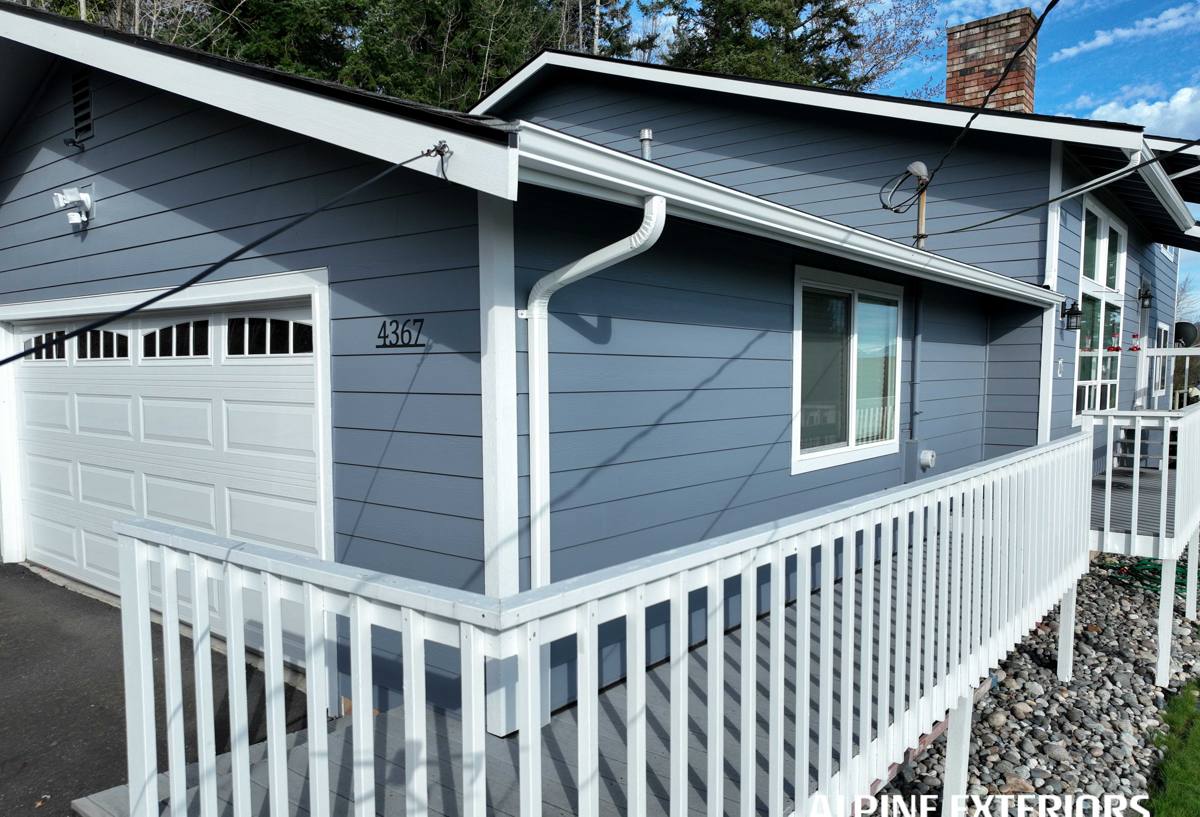
What This Climate Does to a Roof
Before talking about repair specifics, it helps to understand why roofs in this part of Florida fail the way they do. It's rarely one dramatic event — it's usually a slow combination of factors that eventually shows up as a leak or visible damage.
Wind-Driven Rain
Straight-down rain is easy for most roofing systems to shed. Wind-driven rain is a different problem. During tropical storms and hurricanes, rain gets pushed sideways and even upward under shingle tabs, tile laps, and flashing edges. Once water finds a gap — even a small one — it can travel a surprising distance along the roof deck before it shows up as a stain on a ceiling, often nowhere near the actual entry point.
UV and Heat Cycling
Florida's sun isn't seasonal the way it is farther north — it's a year-round load on roofing materials. UV breaks down asphalt shingle granules and dries out sealant strips. Roof surfaces can swing from cool overnight temperatures to well over 150°F by early afternoon, and that daily expansion and contraction stresses fasteners, flashing seals, and tile mortar over time.
Salt Air Corrosion
Oldsmar isn't beachfront, but it's close enough to Tampa Bay that airborne salt reaches inland neighborhoods, including Tampa Bay Golf and Country Club. Salt accelerates corrosion on exposed metal — nail heads, flashing, drip edge, and vent stacks. Corroded fasteners lose their grip on shingles and tile, and rusted flashing eventually pinholes and leaks.
Wind Uplift
Hurricane-force gusts create uplift pressure at roof edges, corners, and ridge lines — the areas most likely to lose shingles or tiles first. Even when a roof survives a storm intact, that repeated wind loading can loosen fasteners and stress flashing seams in ways that aren't obvious until the next heavy rain.
Common Roof Repair Issues We See in This Area
Every roof and every situation is different, but certain patterns show up again and again in neighborhoods like this one.
- Cracked or slipped tiles from wind uplift or foot traffic (satellite installers, holiday lighting, HVAC work)
- Lifted or missing shingle tabs along ridges, hips, and roof edges where wind pressure is highest
- Flashing failures around chimneys, skylights, and roof-to-wall transitions
- Deteriorated pipe boot seals where plumbing vents penetrate the roof — a very common leak source as rubber boots age and crack in the sun
- Valley leaks where two roof planes meet and water volume concentrates during heavy rain
- Nail pops and fastener corrosion that gradually loosen shingles or tiles
- Soffit and fascia water damage from long-term gutter overflow or roof edge leaks
Shingle vs. Tile Roof Repair: What's Different
Tampa Bay Golf and Country Club has a mix of roofing types, and the repair approach depends heavily on what's on the roof. Here's how the two most common systems compare when it comes to repair work.
| Factor | Asphalt Shingle | Concrete or Clay Tile |
|---|---|---|
| Typical repair speed | Faster — individual shingles replace easily | Slower — matching tile profile and color takes care |
| Walkability during repair | Generally safe with standard precautions | Requires care; tiles can crack underfoot if stepped on wrong |
| Wind vulnerability | Tab lift at edges and ridges | Tile slippage and cracking at fastener points |
| UV aging pattern | Granule loss, sealant strip breakdown | Fading and surface erosion; underlayment ages faster than the tile itself |
| Hidden leak risk | Underlayment failure beneath intact-looking shingles | Underlayment failure beneath intact-looking tile — often the real culprit |
| Salt air impact | Fastener and flashing corrosion | Fastener and flashing corrosion; tile itself is less affected |
The important thing to understand with tile roofs especially: the tile is often just the outer layer. The underlayment beneath it is doing the actual waterproofing work, and it ages on its own timeline — sometimes needing attention well before the tile looks like it needs anything.
What a Correct Roof Repair Actually Involves
A repair that just covers the visible symptom tends to come back. A repair that actually solves the problem starts with finding the real entry point, which isn't always where the stain shows up inside.
1. Diagnose Before Touching Anything
We inspect the roof surface, flashing points, penetrations, and — where relevant — the attic or ceiling area near the reported leak. Water travels along the underlayment and roof deck before it drips, so the visible damage inside a home is often several feet from the actual leak source on the roof.
2. Match Materials Correctly
Shingle color, tile profile, and tile color all vary by manufacturer and by age — sun-faded roofs won't match brand-new material perfectly. We work to get the closest reasonable match rather than leaving an obvious patch, and we're upfront when an exact match isn't realistic due to product discontinuation or years of fading.
3. Address the Underlayment and Flashing, Not Just the Surface Layer
Replacing a cracked tile or a missing shingle without checking the underlayment and flashing beneath it is a half-repair. If the waterproofing layer underneath is compromised, the leak will return even with a new tile or shingle sitting on top.
4. Reseal and Re-Fasten to Current Wind Standards
Where fasteners have corroded or sealant has failed, we replace and reseal using materials appropriate for coastal Florida exposure — not just whatever matches what was there before, if what was there before was already failing.
5. Verify the Fix
After the repair, we check the area again rather than assuming the job is done. A repair isn't complete until we're confident water won't find its way back in through the same path.
Our Process, Start to Finish
- Contact and initial description — you tell us what you're seeing (stain, missing tiles, visible damage after a storm) and where
- On-site inspection — we assess the roof and, where needed, the interior area affected
- Honest diagnosis — we explain what's actually causing the issue, in plain terms, before recommending anything
- Written estimate — a clear scope of work and cost range before any work begins
- Repair work — completed with attention to matching material, proper flashing, and correct fastening for wind exposure
- Final walkthrough — we confirm the repair area and answer any remaining questions
What Roof Repair Typically Costs
Every roof repair is priced based on scope, roof type, accessibility, and material availability, so exact numbers require an on-site look. That said, here's a general sense of what factors move the price:
| Factor | Why It Matters |
|---|---|
| Roof material | Tile repair generally costs more than shingle due to matching and handling care |
| Roof pitch and height | Steeper or taller roofs require more safety setup and time |
| Extent of hidden damage | Underlayment or decking damage found during repair adds to scope |
| Access | Roofs surrounded by landscaping, pools, or tight lot lines take longer to work around |
| Material availability | Discontinued shingle or tile styles may require sourcing or a closer-match substitute |
We provide a written, itemized estimate before starting any work, so there are no surprises once the crew is on the roof.
Why It Matters That We Already Work This Neighborhood
A contractor who regularly works in Tampa Bay Golf and Country Club and the broader Oldsmar area has a practical advantage: familiarity with the roofing styles common to the community, realistic expectations about material matching for homes of a certain age, and an understanding of how local wind exposure and salt air have already affected roofs nearby. That's not a substitute for a proper on-site inspection of your specific roof — it just means less guesswork and fewer surprises once we're up there.
We also stand behind repair work with clear communication about what was done and why, so you're not left wondering whether the fix will hold through the next storm season.
Signs You Shouldn't Ignore
Some roof problems are obvious. Others are quiet until they aren't. Watch for:
- Ceiling stains, especially ones that appear or grow after a heavy rain
- Missing, cracked, or visibly displaced shingles or tiles after a storm
- Granules collecting in gutters (a sign of accelerating shingle wear)
- Musty odors in an attic or upper-floor rooms
- Daylight visible through the roof deck from inside the attic
- Sagging areas on the roofline or ceiling
If you're seeing any of these at your Tampa Bay Golf and Country Club home, it's worth having it looked at before the next round of Gulf-driven storms puts more stress on the affected area.
If you'd like an honest assessment of your roof, we offer a free, no-pressure estimate — just fill out the form below and we'll take it from there.