 Oldsmar Siding
 New-Construction Windows in Lutz: Built for Real Florida Weather
Lutz sits just north of the Oldsmar and Tampa Bay area, and homes here face the same demands as everywhere else in this part of Florida: hurricane-force wind events, months of intense UV exposure, wind-driven rain that finds every weak seam, and the slow corrosive effect of salt-laden air moving in off the Gulf. When a home is being newly built or getting a full window replacement down to the rough opening, the windows you choose and how they're installed are one of the biggest factors in how that house performs for the next 20-30 years.
"New-construction" windows are different from replacement or retrofit windows in an important way: they install with a nailing fin directly into the framed rough opening, and the surrounding wall gets flashed and sealed as part of the build sequence — not worked around after the fact. That makes this the right approach when a home is being built, undergoing an addition, or being resided with the sheathing exposed. Done right, it's the strongest, most weathertight way to get windows into a house. Done wrong, it's also one of the easiest ways to build a leak path directly into the wall cavity that won't show up for years.
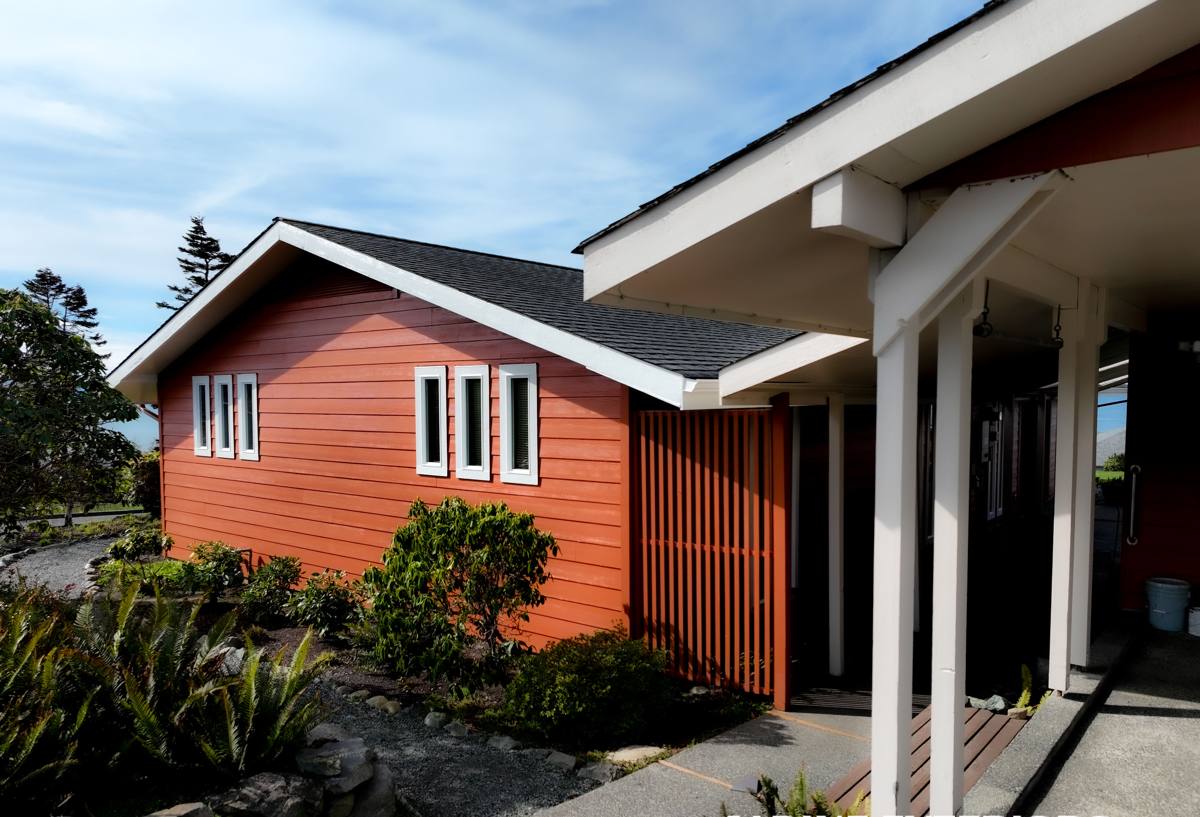
What Lutz-Area Homes Actually Need From a Window Install
We're not going to pretend Lutz has some exotic microclimate that requires special engineering nobody else in Pinellas County deals with. It doesn't. But it does share the same non-negotiables as the rest of the region:
- Wind load rating that matches the county's wind zone. Florida Building Code sets minimum design pressure requirements based on location, and products have to carry Miami-Dade or Florida Product Approval (NOA/FL#) documentation showing they meet it.
- Impact resistance or an approved protection system. In wind-borne debris regions, windows either need to be impact-rated glass or paired with code-compliant shutters/panels — this isn't optional if the home is in that zone.
- Flashing that actually sheds water, not just tape that looks neat. Wind-driven rain doesn't fall straight down here — it gets pushed sideways into the wall, so the flashing sequence at the sill, jambs, and head has to be layered correctly (sill pan first, jambs lapped over it, head flashing lapped over the jambs) so water is directed out, not in.
- UV-stable frame and glazing materials. Year-round sun exposure degrades cheap vinyl and breaks down poor-quality sealants faster than in most of the country. Frame material and sealant choice matter more here than in a milder climate.
- Corrosion-resistant hardware. Salt air doesn't have to come from oceanfront property to matter — it travels inland on Gulf breeze and affects fasteners, hinges, and cranks over time if they're not rated for it.
Why the Rough Opening and Flashing Matter More Than the Window Itself
The window is only as good as what's around it
Homeowners naturally focus on the window unit — brand, glass package, frame color. That's reasonable, but it's not where most failures start. The window itself is a manufactured, tested product; the rough opening and flashing around it are built on site, by hand, and that's where inconsistency creeps in. A high-end window installed over a poorly flashed opening will leak. A mid-range window installed over correctly sequenced flashing, sealed with the right sealant in the right order, will hold up for decades.
What a correct install sequence looks like
- Rough opening is checked for square, level, and correct dimensions before the window ever shows up on site.
- Sill pan flashing goes in first, sloped or lapped so any water that gets past the window drains back out, not into the wall.
- The window is set, shimmed for square and plumb, and fastened through the nailing fin per the manufacturer's approved fastening schedule — this schedule is part of what the wind-load rating depends on, so it's not a place to freelance.
- Jamb flashing goes over the fin, then head flashing goes over the jamb flashing, maintaining a proper shingle-lap so water always moves downward and outward.
- Sealant is applied at the specified joints — not smeared everywhere as a substitute for correct flashing order, which is a common shortcut that traps water instead of stopping it.
- Interior and exterior trim and sealing are finished, and the opening is inspected before it's covered by siding or stucco.
Our Process for a Lutz-Area New-Construction Window Job
Whether it's part of a new build, an addition, or a full re-side where we're pulling windows down to the rough opening, our process stays the same because the physics doesn't change from job to job:
1. On-site assessment and measurement
We look at the actual rough openings, wall assembly, and existing conditions rather than working off assumptions. If openings are out of square or the wrong size, that gets flagged and corrected before ordering.
2. Product selection matched to load and exposure
We help you pick frame material, glass package, and impact protection strategy based on the home's exposure and your budget — not a one-size answer pushed on every job.
3. Code-compliant install, not a shortcut version
Fastening schedules, flashing sequence, and sealant application follow the manufacturer's tested details and Florida Building Code requirements. This is also what protects the product warranty — installing outside the approved method can void it even if the window itself is fine.
4. Final check before it's covered up
Once siding, stucco, or trim goes back over the opening, the flashing and sealing underneath aren't visible or fixable without tearing it back out. We check that work before it disappears behind the finish material.
Frame and Glass Options: Honest Trade-Offs
There's no single "best" window for every Lutz home — it depends on budget, exposure, and how long you plan to own the house. Here's how the common choices actually compare:
| Option | Strengths | Trade-offs |
|---|---|---|
| Vinyl frame | Lower cost, no painting needed, decent thermal performance | Lower-grade vinyl can soften and discolor under year-round UV; quality varies a lot between manufacturers |
| Aluminum frame | Strong, slim sightlines, common in impact-rated products | Conducts heat/cold more than vinyl or fiberglass unless thermally broken |
| Fiberglass/composite frame | Very stable in heat and UV, holds paint well, low expansion/contraction | Higher upfront cost |
| Laminated impact glass | Meets wind-borne debris code without separate shutters, stays in place if cracked | Heavier, higher cost than annealed glass + shutter combo |
| Standard glass + code shutters | Lower window cost | Shutters must be deployed before a storm — this depends on someone remembering to do it, and it's not appropriate on every wall or opening |
A note on cheaper vinyl products
We don't push the bottom-tier vinyl windows some suppliers offer, and it's not because they can't be installed — it's a standards call. Thin, poorly-reinforced vinyl frames tend to bow and lose seal integrity faster under this region's UV and heat cycling, which shows up as fogged glass and drafts well before a quality product would. We'd rather spec a frame that holds up for the life of the home than save a homeowner a little now and have them dealing with failed seals in a few years.
What to Ask Any Contractor Doing This Work
- Can you provide the Florida Product Approval (FL#) or Miami-Dade NOA documentation for the specific window model you're proposing?
- What's the design pressure rating for these openings, and does the proposed product meet it?
- What's your flashing sequence, step by step, and how is it different at the sill versus the head and jambs?
- Is the home in a wind-borne debris region, and if so, is impact glass or an approved protection system included?
- Will the installation follow the manufacturer's fastening schedule exactly, and does that preserve the product warranty?
- Who inspects the flashing and sealing before it's covered by siding, stucco, or trim?
Why It Matters to Hire a Crew That Already Works This Area
Window installation standards don't change block by block, but familiarity with the local permitting process, typical wall assemblies, and the wind zone requirements that apply in Pinellas County does make a difference in how smoothly a job runs. A crew that's already pulled permits and passed inspections in and around Oldsmar and Lutz knows what the local building department expects to see, which cuts down on delays, re-inspections, and surprises mid-project. That local familiarity, combined with not cutting corners on flashing and fastening, is what separates a window job that performs for decades from one that needs attention again in a few years.
New-construction windows are a one-shot install — once siding or stucco goes back over the opening, correcting a flashing mistake means tearing that finish back out. It's worth getting it right the first time.
If you're planning new construction, an addition, or a full window replacement down to the rough opening in the Lutz area, we're happy to walk the property, look at your openings, and put together a straightforward, no-pressure estimate. Use the form below to get started.