 Oldsmar Siding
 Why Palm Harbor Homes Need More Than "Siding"
Palm Harbor sits close enough to the Gulf that homes here deal with a combination most siding products were never engineered for: salt-laden air moving inland, intense UV exposure nearly every day of the year, wind-driven rain that gets pushed sideways into wall assemblies, and the occasional hurricane-force wind event that tests every fastener and joint on the exterior. Pinellas County's building code reflects this — wind load and water intrusion requirements here are stricter than in most of the country, and for good reason.
Siding on a Palm Harbor home isn't just a cosmetic layer. It's the first line of defense for the wall assembly behind it. When that layer fails — through cracking, warping, moisture absorption, or fastener pull-out — the damage isn't limited to appearance. Water gets behind the cladding, sheathing gets wet, and repairs get expensive fast. That's the lens we use when we talk about siding here: not "what looks good," but "what actually holds up."
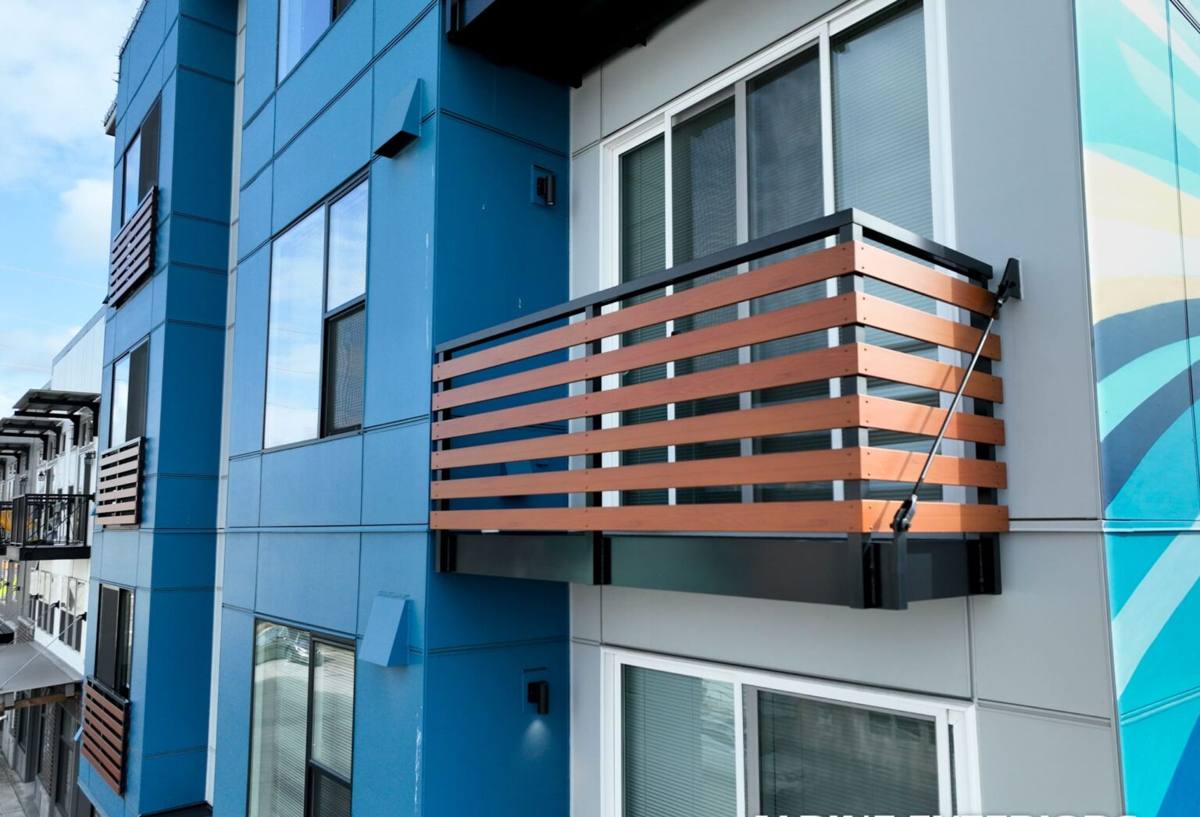
What James Hardie Brings to This Specific Climate
We install James Hardie fiber cement exclusively, and in a coastal Gulf climate like Palm Harbor's, the reasons are practical, not brand loyalty. Fiber cement is made from sand, cement, and cellulose fibers — materials that don't rot, don't feed insects, and don't soften or delaminate the way some wood-based and polymer siding products can when exposed to years of humidity and standing moisture at seams.
Climate-Engineered Product Lines
James Hardie makes HZ5 and HZ10 formulations specifically for humid, high-moisture climates like ours, with engineering aimed at resisting moisture-related warping and cracking better than a one-size-fits-all product. For a Palm Harbor install, that climate-specific engineering matters more than it would in a dry inland climate — it's one of the reasons we don't substitute a generic fiber cement product here.
ColorPlus Factory Finish
UV exposure in Florida is relentless, and it's what kills most field-applied paint jobs within a handful of years — fading, chalking, and eventually peeling. James Hardie's ColorPlus finish is baked on at the factory in multiple coats under controlled conditions, which gives it substantially better fade resistance than site-applied paint, along with a longer color warranty. For a home that sits in direct Florida sun most of the year, that finish durability is a real, measurable difference in how the siding looks in year eight versus year two.
Non-Combustible Material
Fiber cement is non-combustible, which matters for insurance considerations and general peace of mind, though it isn't the primary driver for coastal installs — the moisture and UV performance is.
What a Correct Installation Actually Involves
Siding failures we get called out to inspect are rarely a problem with the material itself — they're almost always an installation problem. James Hardie publishes detailed installation specifications for a reason: the product only performs the way it's rated to when those specs are followed exactly. In a wind-driven-rain environment like Palm Harbor, the details below aren't optional extras — they're what keeps water out of the wall.
Clearance and Flashing
Hardie board needs proper clearance from grade, roof lines, decks, and other horizontal surfaces to avoid wicking moisture. Every penetration — window and door openings, hose bibs, light fixtures, vents — needs correct flashing and integrated weather-resistant barrier detailing behind the siding, not just caulk at the surface. Caulk is a maintenance item, not a moisture barrier; if flashing is the only thing standing between your wall assembly and Florida's rain, the job wasn't done to spec.
Fastening Pattern
In a high-wind zone, fastener type, spacing, and embedment depth all affect actual wind-load performance, not just how the siding looks the day it goes up. Under-fastening or using the wrong fastener type is one of the most common reasons siding fails during a wind event — not because the material was inadequate, but because it wasn't secured to the manufacturer's specification for the local wind zone.
Joints and Seams
Butt joints need to be treated correctly — with proper flashing behind them or manufacturer-approved joint treatment — or they become the first place water gets in during wind-driven rain. This is a detail that's fast to skip and slow to show up as a problem, which is exactly why it gets skipped on rushed jobs.
How Our Process Works
- Exterior assessment: We look at the existing wall assembly, moisture history, and any problem areas — not just the visible siding condition.
- Product and line selection: We walk through Hardie's plank, shingle, and panel options and help you pick a profile and color that fits the home and the neighborhood.
- Prep and moisture barrier: Old siding comes off, sheathing gets inspected and repaired if needed, and a proper weather-resistant barrier goes on before anything else.
- Flashing first: Every window, door, and penetration gets flashed to manufacturer spec before siding installation starts.
- Installation to spec: Fastening pattern, clearances, and joint treatment follow James Hardie's published installation guidelines for our wind zone and climate designation — no shortcuts on the details that don't show up until later.
- Final inspection: We walk the job before we consider it done, checking clearances, caulking lines, and finish consistency.
Why a Crew That Already Works This Area Matters
Palm Harbor and the surrounding Oldsmar area have their own quirks — older homes with settling and non-square openings, a mix of construction eras with different sheathing types, and HOA aesthetic guidelines in some neighborhoods that affect which reveals and colors are appropriate. A crew that's worked in this specific area repeatedly has already seen the common issues local homes present and knows how to handle them without guesswork or costly surprises mid-job.
Local familiarity also means understanding the practical realities of scheduling around Florida's wet season and knowing which weather windows actually allow for proper installation versus rushing a job ahead of an incoming system — moisture barrier and flashing work in particular should never be rushed to beat rain.
Cost Factors for a Palm Harbor James Hardie Install
| Factor | Why It Affects Cost |
|---|---|
| Home size and wall complexity | More corners, gables, and penetrations mean more flashing and cutting labor |
| Existing siding removal | Tear-off, disposal, and sheathing repair add labor beyond the siding itself |
| Product line and profile | Lap plank, shingle-style, and panel systems have different material and labor costs |
| ColorPlus vs. primed for field paint | Factory-finished ColorPlus costs more upfront but reduces repaint frequency |
| Sheathing or framing repair | Moisture damage found during tear-off must be corrected before new siding goes on |
| Trim and accessory details | Corner boards, window trim, and soffit integration affect both material and labor time |
We give firm, itemized quotes after an on-site assessment rather than ballpark numbers over the phone — too many of these factors only become clear once the old siding is off and the wall assembly is visible.
Maintenance: What Palm Harbor Homeowners Should Actually Expect
- Rinse siding periodically to remove salt residue and airborne debris, especially on homes closer to the water
- Inspect caulking at trim, window, and door joints annually and recaulk as needed — caulk is a wear item even on a correctly installed system
- Check for any signs of moisture staining near ground-level clearance points after heavy rain seasons
- Keep irrigation heads and sprinklers from hitting the siding directly and consistently
- Have gutters and downspouts checked to make sure water is directed away from the wall, not down it
None of this is heavy maintenance — that's part of the appeal of fiber cement over wood-based products — but a five-minute annual look at caulking and clearances catches small issues before they become wall repairs.
Comparing Approaches Homeowners Consider
| Approach | Trade-off in This Climate |
|---|---|
| Repaint existing siding | Cheapest short-term option, but doesn't address underlying moisture or material fatigue if the substrate is already compromised |
| Vinyl replacement | Lower material cost but can soften, warp, or fade under sustained Florida heat and UV, and offers less impact resistance in wind events |
| Wood-based composite siding | Warmer aesthetic but more sensitive to sustained moisture exposure over time, which is a real factor this close to the Gulf |
| James Hardie fiber cement | Higher upfront cost, but climate-specific formulations, factory finish, and non-combustible composition are built for exactly this exposure profile |
A Homeowner's Pre-Hire Checklist
- Ask whether the crew is James Hardie certified or has documented experience installing to Hardie's published specifications
- Confirm the quote specifies clearance heights, flashing details, and fastening pattern — not just "siding replacement" as a lump line item
- Ask how sheathing issues discovered during tear-off would be handled and priced
- Get the manufacturer warranty terms in writing, along with what's covered under workmanship separately
- Ask for the specific HZ product line being quoted and confirm it's the version engineered for our climate zone
- Confirm licensing and insurance directly, not just take it on faith
Getting Started
If your siding is showing its age, or you're planning ahead of the next big weather season, we're happy to take a look and give you a straightforward, no-pressure assessment of what your home actually needs. Reach out through the form below for a free estimate — no obligation, just an honest read on your options.