 Oldsmar Siding
 Windows Built for What Citrus Park Actually Deals With
Citrus Park homes sit in a stretch of the Tampa Bay area that doesn't get a break from the weather. Summers bring intense, near-constant UV exposure. Storm season brings hurricane-force wind gusts and the kind of wind-driven rain that finds every weak seam in a window frame. Add in the salt air that drifts inland off the Gulf and mixes with humidity year-round, and you've got a climate that is genuinely hard on windows — not in a dramatic, one-time way, but in a slow, cumulative way that shows up as fogged glass, swollen frames, and failed seals five or ten years sooner than homeowners expect.
Custom windows aren't a luxury upgrade for a house like this — they're the difference between windows that are sized, sealed, and rated for local conditions, and stock units that were never engineered with this climate in mind. When we talk about "custom" for a Citrus Park home, we mean windows matched to your specific openings, your home's exposure, and the wind and impact standards this part of Florida actually requires.
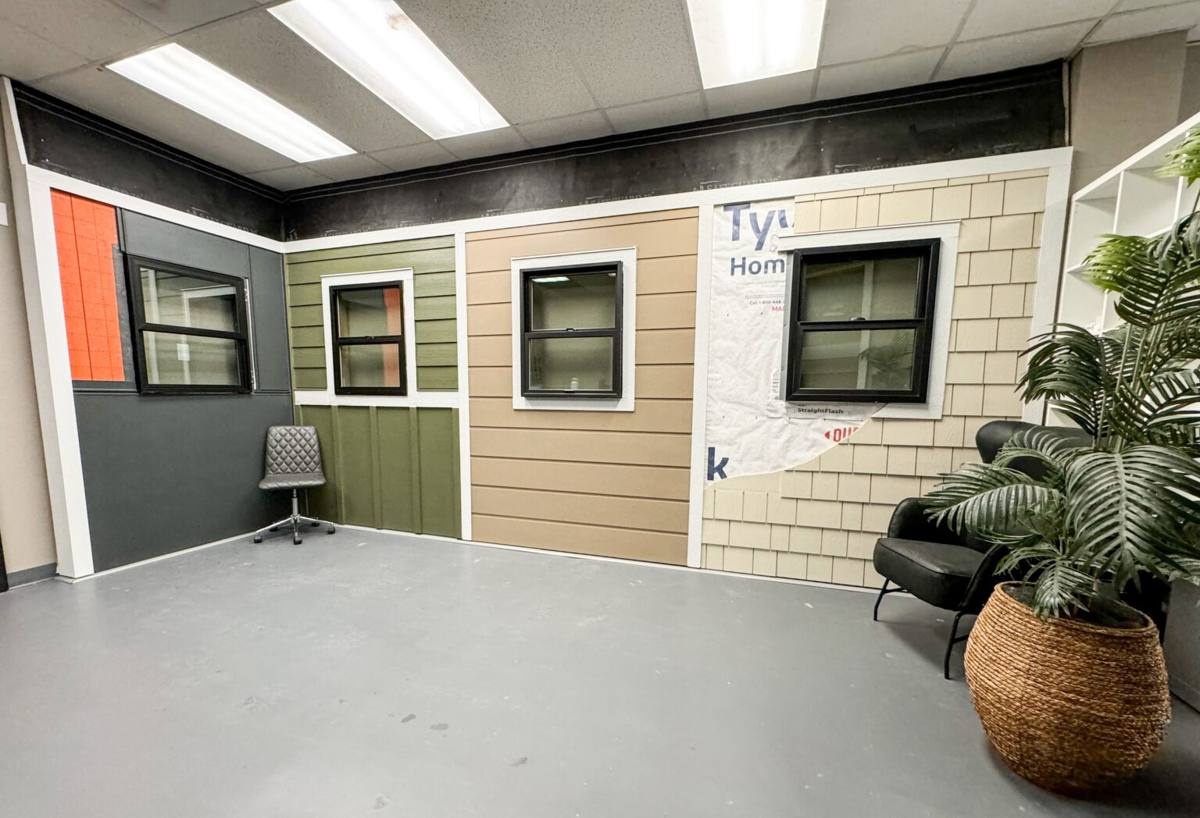
What "Custom" Means for a Citrus Park Home
A lot of homeowners assume "custom windows" just means non-standard sizes for an older or unusually shaped house. That's part of it, but it's not the whole picture. For homes in this area, custom also means:
- Frame and glass packages selected for your home's sun exposure — a west-facing wall takes a very different UV and heat load than a shaded north side
- Impact and wind-load ratings matched to your specific elevation and the county's current building code, not a generic statewide minimum
- Precise measurement of each opening, since older Florida homes often have settled or slightly out-of-square frames that stock windows won't seat into correctly
- Color, grid pattern, and interior trim choices that match the home's existing architecture instead of forcing a one-size look
The goal is a window that performs identically whether it's on the shaded side of the house or catching direct afternoon sun and wind off an open yard — and one that looks like it belongs on the house, not like an obvious retrofit.
Why Stock Sizes Often Fall Short Here
Many Citrus Park homes were built across different decades, which means window openings vary more than people expect. When a stock-sized window gets forced into an opening that's slightly off, installers end up packing the gap with extra shim material and caulk to make up the difference. That gap is exactly where wind-driven rain gets in during a storm, and it's exactly where a poor seal will let UV-heated air leak through year-round, driving up cooling costs. A properly custom-fit window removes that gap problem at the source.
The Anatomy of a Correct Installation
The window unit itself is only part of the equation — how it's installed determines whether it holds up to Florida conditions for the long haul. A correct installation in this climate includes:
- Opening inspection and prep — checking the substrate around each opening for hidden moisture damage or rot before a new window ever goes in
- Proper flashing and weatherproofing membrane — installed in the correct layered order so water sheds outward, not into the wall cavity
- Mechanical fastening rated for wind load — not just adhesive or foam, which isn't sufficient on its own for hurricane-prone areas
- Continuous sealant bead using a sealant rated for high-UV, high-humidity exposure, applied without gaps
- Interior and exterior trim finishing that seals the assembly completely while maintaining a clean sightline
Skipping any one of these steps is usually invisible on install day and only becomes obvious two or three years later, when a homeowner notices water staining below a window sill or a soft spot in the drywall. Getting the installation right the first time is far cheaper than fixing water intrusion damage after the fact.
Glass and Frame Options That Actually Hold Up
Glass Packages
For a Citrus Park home, we typically steer homeowners toward impact-rated laminated glass with a low-E coating. The laminated interlayer is what gives the window its wind-borne debris resistance, while the low-E coating cuts down the UV and heat transfer that drives up cooling bills during the long, hot months. For homes with heavy afternoon sun exposure, a tinted or higher-performance low-E option is worth the modest upgrade cost.
Frame Materials
Vinyl and fiberglass frames are generally the strongest fit for this climate — both resist the moisture absorption and UV breakdown that wood frames are prone to here without diligent, ongoing maintenance. Aluminum frames remain a solid option for larger openings or more contemporary architectural styles, particularly when strength-to-sightline ratio matters, though they conduct heat more readily than vinyl or fiberglass unless thermally broken.
| Factor | What to Consider |
|---|---|
| Sun exposure | West and south-facing walls benefit from higher-performance low-E glass to cut heat gain |
| Storm exposure | Open or coastal-adjacent lots warrant a higher wind-load and impact rating than sheltered interior lots |
| Window count and size | Larger openings and picture windows cost more per unit but often replace multiple smaller units |
| Frame material | Vinyl and fiberglass typically cost less to maintain long-term than wood in this climate |
| Existing opening condition | Rot or settled framing found during prep adds modest repair cost before installation |
| Grid pattern and trim | Custom grid work and matched interior trim add labor time versus a plain sash |
Our Process, Start to Finish
- On-site assessment — we walk the home, measure every opening individually, and note sun exposure and wind exposure per elevation
- Product selection — we go over glass packages, frame materials, and ratings that fit your home and budget, with honest trade-offs explained up front
- Precise ordering — every unit is built to the exact opening dimensions rather than pulled from generic stock sizing
- Opening prep — we check for hidden moisture or rot damage before installation begins, since this is the step most often skipped by rushed crews
- Installation — proper flashing, mechanical fastening, and sealant application in the correct sequence
- Final inspection and walkthrough — we check operation, seals, and finish work with you before calling the job done
We don't push a homeowner toward the most expensive package on the shelf. If a mid-tier impact-rated option is the right call for a sheltered, shaded opening, we'll say so.
Wind Ratings, Codes, and Why They Matter Locally
Building codes in this part of Florida set minimum wind-load and impact requirements based on your home's wind zone, which is tied to exposure and proximity to open water. These aren't arbitrary numbers — they reflect real-world testing against wind-borne debris impact and sustained pressure during hurricane-force events. A window installed to meet the minimum code requirement for your specific address is different from a window rated for a less demanding zone elsewhere in the state. Part of a correct custom job is confirming which rating actually applies to your home before ordering, not assuming a blanket rating covers every property in the area.
Signs Your Current Windows Are Already Failing
Homeowners often live with early warning signs for years before replacing windows, mostly because the symptoms show up gradually. Watch for:
- Fogging or condensation between panes, which means the seal has failed and the insulating gas has escaped
- Frames that feel soft, chalky, or discolored, especially on sun-facing walls
- Difficulty opening, closing, or locking a window that used to operate smoothly
- Visible gaps or daylight around the frame edges
- A noticeable draft or temperature difference near the window during hot afternoons
- Water staining on the wall or sill below a window after heavy rain
Any one of these on its own might not be urgent. Several appearing together, especially on the same wall, usually means the seal or flashing has already failed and moisture is getting into the wall assembly.
Why Local Experience in Citrus Park Actually Matters
A crew that regularly works homes in and around Citrus Park and the broader Oldsmar area already knows which wind zones apply, which architectural styles are common, and which older-home quirks — settled framing, prior repair patches, non-standard opening sizes — tend to show up. That familiarity shortens the assessment phase and reduces surprises during installation. It also means we're not guessing at what "correct for this climate" looks like; we're applying what consistently holds up against the same wind, sun, and salt air every house in this area faces.
Get a Straight Answer on Your Windows
If you're dealing with fogged glass, drafty frames, or you're just planning ahead of the next storm season, we're happy to take a look and give you an honest read on what your home needs — no upsell, no pressure. Fill out the form below for a free estimate, and we'll walk the property with you before recommending anything.