 Oldsmar Siding
 Building a Deck That Actually Holds Up in Clearwater
A deck in the Clearwater area of Pinellas County isn't just an outdoor upgrade — it's an exterior structure that has to survive the same conditions your roof and siding do. Hurricane-force wind gusts, intense year-round UV exposure, wind-driven rain, and salt-laden air off the Gulf all work on a deck's fasteners, framing, and surface finish every single day. A deck built to a generic national spec often looks fine for a season or two, then starts showing loose boards, rusted hardware, or a graying, splintering surface well before it should. Building correctly for this specific climate the first time costs less over the life of the deck than repeatedly patching one that wasn't.
This page focuses on one job in one area: custom deck construction for homes in and around the Clearwater side of Oldsmar's service territory. We're not going to give you a generic national decking overview — we're going to walk through what actually matters when the deck sits a short drive from saltwater and takes direct Gulf-influenced weather most of the year.
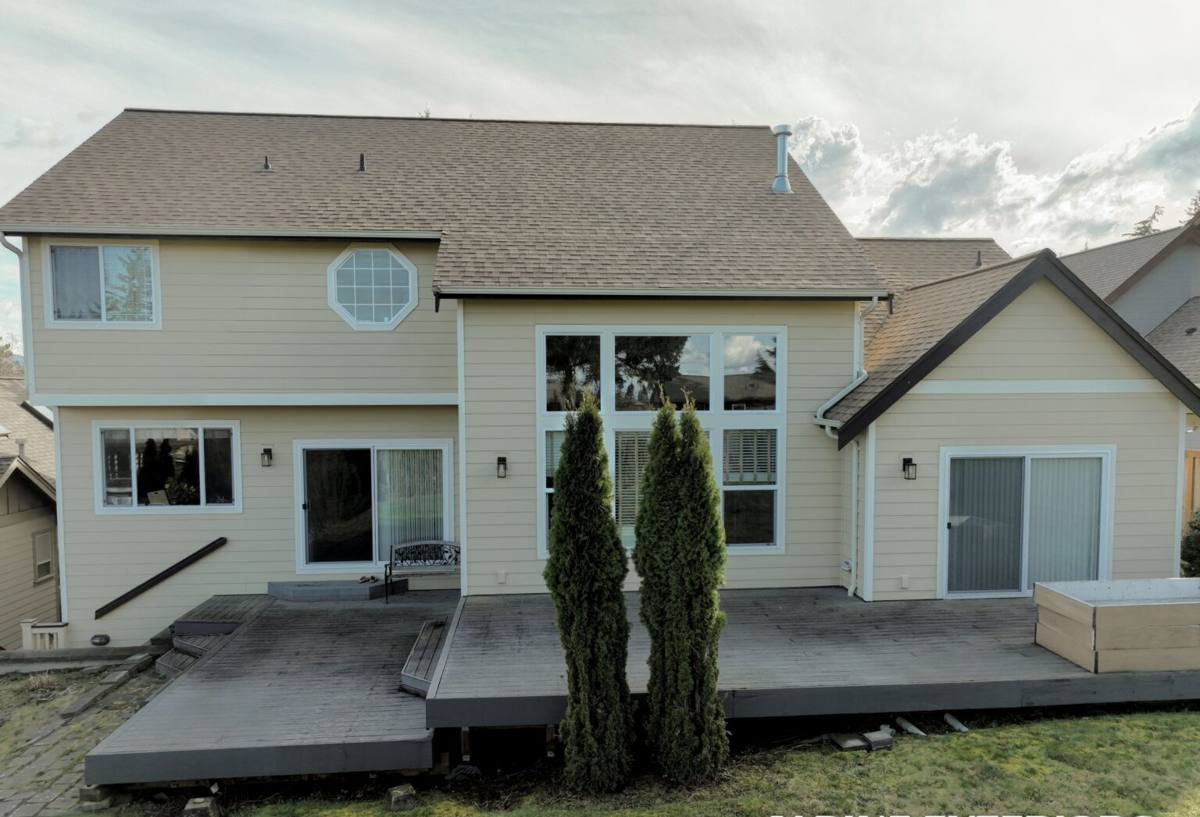
What Local Homes Need From a Deck Here
Homes in this part of Pinellas County tend to share a few things that shape how a deck should be built: proximity to brackish or salt-influenced air, sandy or fill-based soils that affect footing design, HOA and neighborhood aesthetic expectations, and a strong reason to actually use outdoor space year-round because of the mild winters. That last point matters more than people expect — if you're going to be on this deck ten or eleven months a year, the surface temperature underfoot, the finish's ability to resist fading, and the railing's comfort in direct sun all become practical, daily concerns, not cosmetic ones.
Salt Air and Metal Fasteners
Salt-laden air accelerates corrosion on any exposed metal — screws, joist hangers, bolts, and structural connectors. A deck built with standard interior-grade or even generic exterior fasteners can develop rust streaks and weakened connections well before the wood or composite decking itself shows wear. This is one of the most common failure points we see on decks that weren't built with this specific coastal condition in mind.
UV and Surface Life
Florida sun is harder on exposed horizontal surfaces than in most parts of the country. Untreated or poorly finished wood grays and checks quickly; lower-grade composite boards can fade unevenly, especially where part of the deck sees more direct sun than another section shaded by the house or trees.
Wind-Driven Rain and Standing Water
Rain here rarely falls straight down. Wind-driven rain gets under railings, into fastener heads, and into any gap where water can sit against wood or metal. Decks that don't account for drainage and airflow underneath end up trapping moisture, which leads to rot in framing long before the visible decking looks bad.
What a Correctly Built Deck Involves
A custom deck is really three separate systems working together: the substructure (footings, posts, beams, joists), the fastening and connector hardware, and the visible decking and railing surface. Each one has to be matched to this climate, not just to the homeowner's aesthetic preference.
Footings and Posts
Footing depth and diameter need to account for local soil conditions and wind uplift, not just vertical load. In a hurricane-prone area, a deck attached to the house or standing freestanding needs uplift resistance built into the footing and post connections — this is often the difference between a deck that stays put in a major wind event and one that doesn't.
Framing and Fasteners
We use fasteners and structural connectors rated for coastal/marine exposure, not standard galvanized hardware that's adequate inland but corrodes faster here. Joist hangers, hurricane ties, and ledger bolts all matter more than people assume, because they're the parts you don't see once the decking is down — and the parts that are hardest to inspect or replace later.
Decking Surface and Railings
Whatever material is chosen, the installation details — board spacing for drainage and expansion, proper blocking, railing post attachment — determine whether the finished surface stays flat, tight, and safe over years of sun and rain rather than just the first one.
Choosing a Decking Material
There's no single "best" decking material for every home — it depends on budget, maintenance appetite, and how much direct sun and salt exposure the deck will see. Here's how the common options actually compare for this climate:
| Material | Upfront Cost | Maintenance | How It Handles This Climate |
|---|---|---|---|
| Pressure-treated wood | Lowest | Regular sealing/staining needed | Prone to graying, checking, and splintering faster under intense UV without upkeep |
| Tropical hardwood (e.g., ipe-type) | High | Periodic oiling to maintain color | Naturally dense and durable, but still needs UV maintenance to avoid graying |
| Composite decking | Mid to high | Low — occasional cleaning | Resists rot and splintering well; quality varies a lot by product line |
| PVC/capped polymer decking | Highest | Lowest | Best moisture and fade resistance of the low-maintenance options, at a higher price point |
We'll walk through the honest trade-offs for your specific project rather than pushing whatever has the best margin. If a homeowner wants real wood for the look and understands the maintenance commitment, that's a legitimate choice — we just make sure they know what they're signing up for before we build it.
Permits and Code Considerations
Deck construction in Pinellas County requires a permit in almost all cases, and inspections happen at specific stages — typically footings, framing, and final. Skipping or shortcutting this process creates real problems later: unpermitted structures can complicate a home sale, cause issues with insurance claims after storm damage, and in some cases require removal. We pull the proper permits and schedule inspections as part of the job, not as an afterthought.
Attachment to the house (ledger board connections) is one of the most scrutinized parts of a deck inspection, and for good reason — it's a common failure point in wind events when done incorrectly. We treat this connection as a structural priority, not a convenience shortcut.
Our Process, Start to Finish
- On-site assessment — we look at your yard's grade, sun exposure, existing structure (if replacing a deck), and how you actually plan to use the space.
- Design and material conversation — honest trade-offs on materials, layout, and railing options based on your budget and maintenance preferences.
- Written estimate — clear scope, materials, and timeline before any work starts.
- Permitting — we handle the permit application and coordinate required inspections.
- Construction — footings and framing first, then decking surface, then railings and any finishing details.
- Final walkthrough — we go over the finished deck with you and cover basic care for whatever material you chose.
Maintaining Your Deck After It's Built
Even a well-built deck needs some ongoing attention in this climate. A short seasonal routine keeps small issues from becoming structural ones:
- Check fastener heads and connectors periodically for early rust or looseness, especially after storm season
- Clear leaves and debris from between boards and around posts so moisture doesn't sit trapped
- Reseal or refinish wood decking on the schedule appropriate to the product — don't wait until it's visibly gray
- Inspect railings for wobble, which often signals a post connection working loose, not just a cosmetic fix
- Confirm drainage under the deck isn't pooling water against posts or framing after heavy rain
- Rinse salt residue off surfaces periodically if the deck is closer to the water
What Affects the Cost
| Factor | Why It Matters |
|---|---|
| Size and shape | Multi-level or non-rectangular designs require more framing and labor per square foot |
| Decking material | Ranges from pressure-treated wood to premium composite/PVC, a wide cost spread |
| Height off grade | Taller decks need more substantial post and footing work, and often railings by code |
| Attachment type | Ledger-attached vs. freestanding changes the structural approach and inspection requirements |
| Railing and stair details | Custom railing designs and multiple stair runs add material and labor |
| Site access | Difficult yard access can add time for material staging and equipment |
We give a firm written number after seeing the site and discussing your priorities — not a rough guess pulled from a phone call.
Why Hiring a Crew That Already Works This Area Matters
A crew that regularly builds and repairs decks around Clearwater and the greater Oldsmar area already understands the local permitting process, the soil and site conditions common to the area, and which fastener and material choices hold up versus which ones create callbacks. That familiarity shows up in fewer surprises during the build and a deck that's actually specified for the wind and salt exposure your property sees, rather than a one-size-fits-all approach borrowed from a different climate. It also means someone local is available if a post-storm inspection or minor repair is ever needed down the road.
If you're considering a custom deck for a Clearwater-area home, we're glad to walk the site, talk through material options honestly, and put together a written estimate — no pressure, no obligation. Use the form below to get started.