 Oldsmar Siding
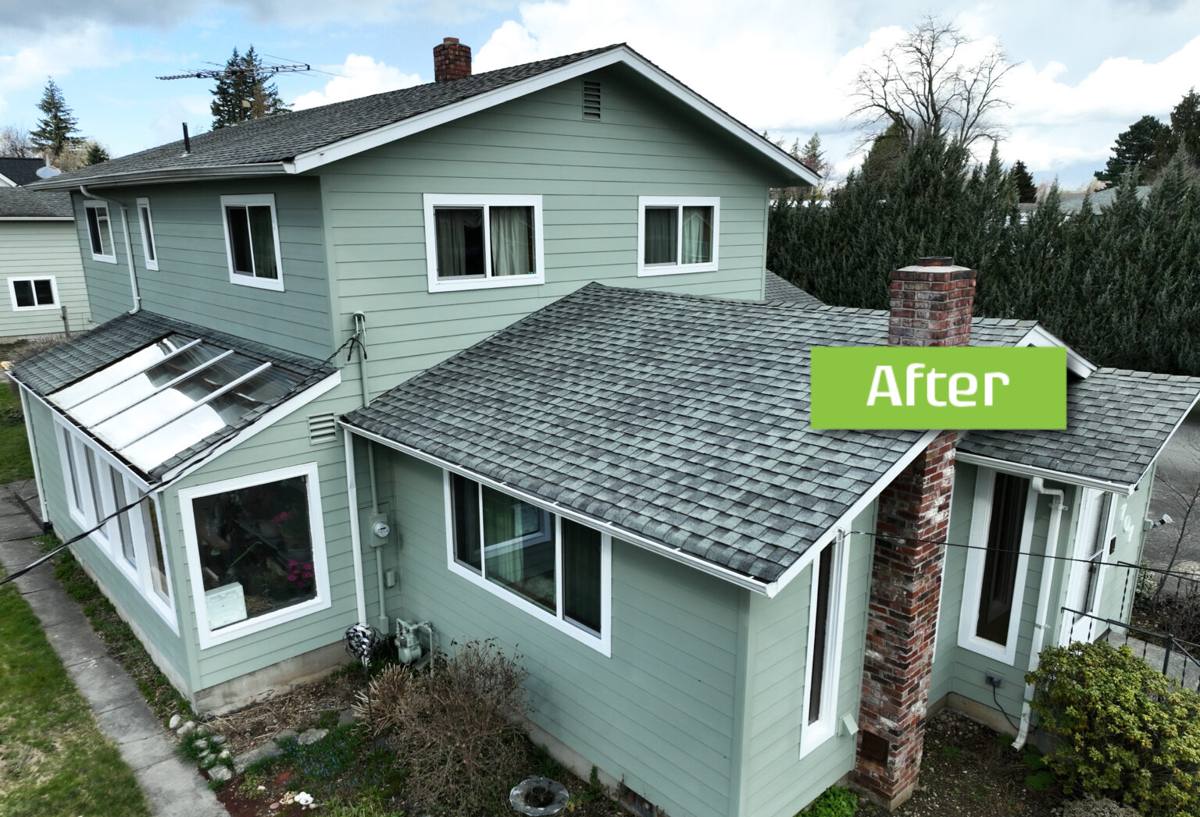
 Asphalt Shingle Roofing Built for Eastlake Woodlands
Eastlake Woodlands sits inland enough from Tampa Bay to feel a little sheltered, but every home in this part of Oldsmar still answers to the same weather the rest of Pinellas County does. Hurricane-force wind gusts, months of intense UV exposure, wind-driven rain that finds every gap in a roof system, and a steady dose of salt air moving in off the Gulf and the bay all put real, cumulative stress on a roof. Asphalt shingles remain one of the most practical, cost-effective roofing choices for this climate when they're installed correctly — but "correctly" is doing a lot of work in that sentence. A shingle roof lives or dies on the details underneath it, not just the shingles themselves.
This page is about that one job, done right, for homes in this specific neighborhood. We're not going to give you a generic rundown of shingle roofing in general — we want to walk through what actually matters for a Eastlake Woodlands roof, given the age of housing stock typical to this area, the local climate load, and what a proper installation or replacement should look like from the ground up.
Why Local Climate Conditions Change the Job
It's tempting to think a shingle is a shingle wherever you install it. In practice, Gulf Coast Florida conditions push every component of a roofing system harder than they'd be pushed in a milder climate.
Wind Uplift
Pinellas County sits in a wind-borne debris region, and roofing work here has to meet wind-rated installation standards, not just manufacturer minimums. Shingle blow-off after a storm is almost never a case of "bad shingles" — it's far more often a case of insufficient nailing pattern, wrong nail placement, or a starter strip and hip/ridge detail that wasn't sealed properly. The shingle itself is rarely the weak link; the installation is.
UV and Heat Cycling
Central Florida roofs spend the better part of the year under strong, direct sun. That UV load dries out asphalt oils over time and accelerates granule loss, which is the first visible sign of a shingle roof aging out. Daily heat-cool cycling also stresses the bond between shingle layers and the adhesive strips that hold tabs down against wind.
Wind-Driven Rain
Straight-down rain is easy for any roof to shed. Wind-driven rain is a different problem — it can be pushed sideways and even slightly upward under shingle tabs, which is exactly why underlayment, flashing, and valley details matter as much as the shingles on top. A roof that leaks during a tropical system almost always leaks at a transition point: a valley, a wall flashing, a vent boot, or a ridge — not through the field of the shingles.
Salt Air
Even a few miles inland from Tampa Bay, airborne salt accelerates corrosion on exposed metal — nails, flashing, vent stacks, and drip edge. Using the wrong fastener or flashing material in a coastal-influenced climate shortens the life of an otherwise sound roof.
What This Means for Eastlake Woodlands Homes Specifically
Eastlake Woodlands is a maturing residential community, and a meaningful share of the roofs in the neighborhood are reaching the point where age, sun exposure, and prior storm cycles start compounding. A roof that looked fine after installation can develop hidden weak points over 15-20+ years — brittle underlayment, degraded pipe boot seals, nail pops from deck movement, or granule loss thinning the shingle's UV protection. None of that is unique to this neighborhood, but it's the reality of asphalt shingle roofs at this stage of life anywhere in this climate, and it's what we're specifically looking for when we inspect a home here.
Homes with mature tree canopy nearby also tend to accumulate more debris and organic growth (moss, algae streaking) in shaded valleys and north-facing slopes, which holds moisture longer and ages shingles faster in those specific spots even when the rest of the roof looks fine.
What a Correct Shingle Roofing Job Actually Involves
A quality asphalt shingle installation isn't just laying shingles in rows. Every layer underneath the visible shingle does specific work, and skipping or shortcutting any one of them is where roofs fail early.
- Deck inspection and repair — Any soft, delaminated, or water-damaged decking gets replaced before anything else goes down. Nailing shingles over a compromised deck is how you get soft spots and premature failure regardless of shingle quality.
- Underlayment — A synthetic or self-adhering underlayment goes down as the roof's true waterproof layer. Shingles shed the bulk of water, but underlayment is what protects the deck if wind-driven rain gets past them.
- Drip edge — Metal edging at eaves and rakes directs water off the roof rather than letting it wick back under the shingles into the fascia.
- Valley treatment — Valleys concentrate more water volume than any other part of the roof and need proper valley lining and shingle weaving or metal valley detail.
- Flashing — Step flashing at walls, counter-flashing at chimneys, and properly sealed pipe boots are where most leaks actually originate when they fail.
- Nailing pattern — Correct nail count, placement, and fastener length for the wind zone, following both manufacturer specification and local code.
- Ventilation — Balanced intake and exhaust ventilation keeps attic temperatures and moisture in check, which protects both the roof deck and the shingles from below.
- Starter strip and ridge cap — Two details that are easy to shortcut and are directly responsible for wind resistance at the edges and ridge line.
Repair, Partial Replacement, or Full Re-Roof?
Not every issue calls for a full roof replacement, and we don't default to recommending one. The right call depends on the roof's age, the extent of damage, and whether the underlying deck and underlayment are still sound.
| Situation | Typical Approach | What We're Checking |
|---|---|---|
| Isolated storm damage, roof under 10-12 years old | Targeted repair | Deck condition at the damaged area, matching shingle availability, flashing integrity |
| Scattered leaks, granule loss, roof 12-18 years old | Repair now, plan replacement timeline | Underlayment condition, extent of wear across all slopes, remaining serviceable life |
| Widespread wear, multiple past repairs, roof 18+ years old | Full re-roof | Deck soundness, code-required underlayment/flashing upgrades, ventilation adequacy |
| Visible sagging, soft decking, chronic interior leaks | Full re-roof, deck replacement likely | Extent of structural deck damage, insulation and interior damage |
We'll walk the roof, tell you honestly which category it falls into, and explain the reasoning — not just hand you a quote for the most expensive option.
Our Process for a Eastlake Woodlands Roofing Project
1. On-Site Inspection
We physically walk the roof (not just a drive-by look) to check shingle condition, flashing points, valleys, vent boots, and signs of deck movement. We'll also check the attic when relevant, since ventilation and moisture staining tell us a lot about what's happening from the inside.
2. Honest Assessment and Written Estimate
You get a clear explanation of what we found, what needs to happen, and a written estimate before any work starts. If a repair is a reasonable option instead of a full replacement, we'll say so.
3. Material Selection
For this climate, we generally steer clients toward architectural (laminated) shingles with a wind rating suited to Pinellas County's requirements, over older three-tab profiles. Architectural shingles have more mass, better wind performance, and a longer realistic service life under sustained UV and heat — that's a maintenance and durability trade-off we stand behind, not a sales pitch.
4. Tear-Off and Deck Prep
Full removal of old roofing material down to the deck, with every sheet inspected and any damaged sections replaced before underlayment goes down.
5. Installation to Wind-Rated Standard
Underlayment, drip edge, flashing, and shingles installed following manufacturer specifications and local wind-zone nailing requirements — not just the fastest path to a finished-looking roof.
6. Final Walkthrough
We review the completed work with you, cover warranty details, and make sure you know what routine maintenance (if any) is worth keeping an eye on going forward.
Why Hiring a Crew That Already Works This Area Matters
A roofing crew that regularly works Oldsmar and the surrounding Pinellas County communities isn't guessing at wind-zone requirements, local permitting expectations, or how homes in this specific climate tend to age. That familiarity shows up in small but important ways: knowing which flashing details tend to fail first on homes of a certain age in this area, understanding the permitting and inspection process with the local building department, and being available for follow-up if a question comes up after a storm rather than being a company that was passing through for one job.
It also matters for scheduling. After a significant storm, demand for roofing work spikes across the whole region, and an established local crew has a track record and reputation to protect — that's a different incentive structure than an out-of-town crew working a post-storm rush with no local presence to answer to afterward.
Maintenance That Actually Extends Shingle Roof Life
Asphalt shingle roofs in this climate aren't zero-maintenance, even when installed correctly. A few simple habits meaningfully extend service life:
- Keep gutters clear so water isn't backing up under the shingle edge or drip edge
- Trim back overhanging branches to reduce debris buildup and shade-driven moss/algae growth
- After any major storm, do a visual check (or have it checked) for lifted or missing shingles, damaged flashing, or debris impact
- Address small leaks or nail pops promptly rather than waiting — small deck problems are far cheaper to fix than water-damaged decking
- Have the roof looked at periodically as it approaches the back half of its expected service life, so replacement can be planned rather than forced by an emergency
Get a Straightforward Estimate
If you're in Eastlake Woodlands or elsewhere in Oldsmar and want an honest read on your roof's condition, we're happy to take a look. No pressure, no upsell script — just a clear assessment of what your roof needs and what your realistic options are. Use the form below to request a free estimate.