 Oldsmar Siding
 Why Window Installation Is Different Near Tampa Bay
Windows on the west coast of Florida don't just have to look good and keep the air conditioning in. In the greater Tampa Bay area, a window is a structural component of the house — it has to hold up against hurricane-force wind gusts, take a direct beating from wind-driven rain, resist near-constant UV exposure, and survive years of salt-laden air rolling in off the Gulf. A window that would be perfectly fine in a drier, calmer climate can fail here in a fraction of the time. That's the reality any honest contractor working in Tampa and the surrounding communities has to design around, not just mention in passing.
This page is about window installation specifically for homes in and around Tampa. The climate stresses are regional, but the right approach — the products, the prep work, the sealing details — is the same wherever we work in the greater bay area, and it's worth understanding before you sign off on a job.
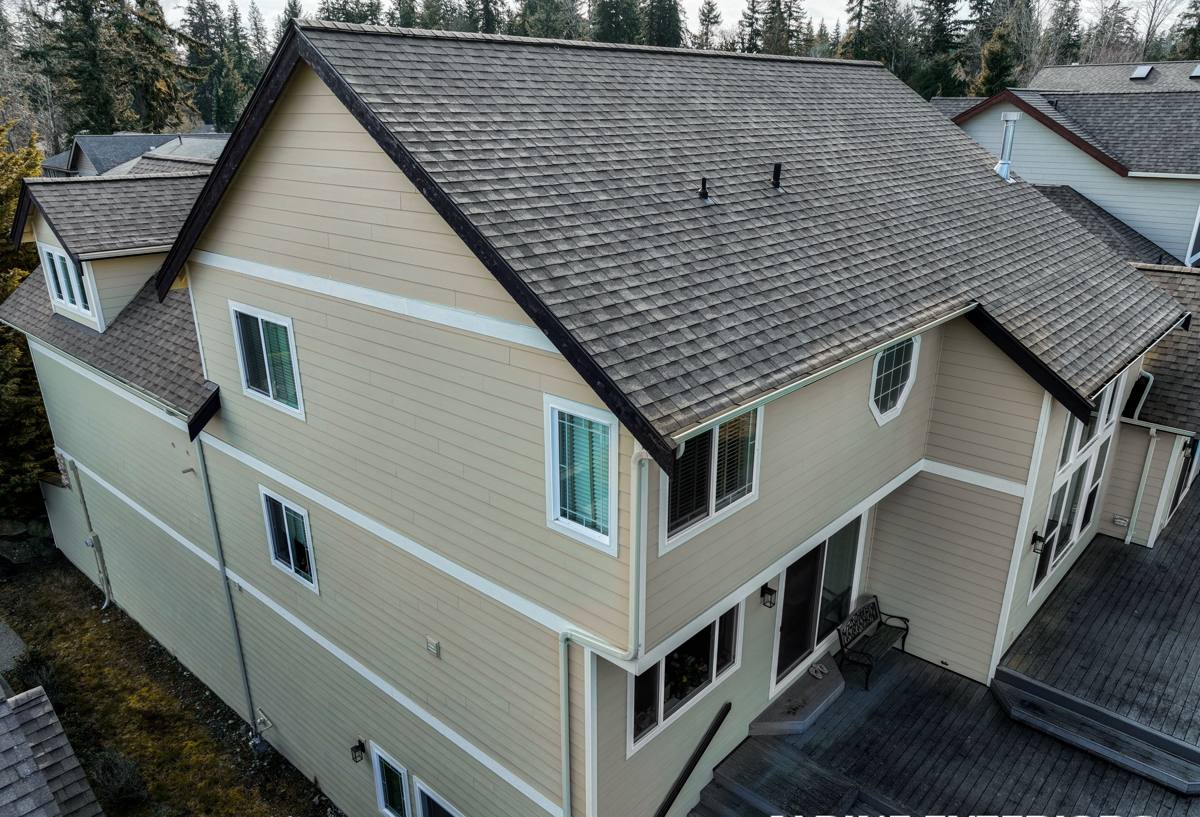
What Local Homes Actually Need From Their Windows
Wind Resistance
Tropical storms and hurricanes are a when-not-if reality here. Even outside a named storm, this area sees strong seasonal wind events. Windows need a wind-load rating that matches what the structure is likely to see, and the installation itself has to transfer that load correctly into the framing — a great window installed with the wrong fasteners or insufficient anchoring performs like a weak one.
UV and Heat Load
Florida sun is intense and consistent nearly year-round. Cheap glass and low-quality frame coatings degrade faster here than almost anywhere else in the country — seals dry out, vinyl can discolor or warp, and interior furnishings fade. Glass package matters as much as the frame.
Wind-Driven Rain
Rain here rarely falls straight down during a real storm. It comes in sideways, driven by sustained wind, and it finds any gap in flashing or sealant. Most "mystery leaks" homeowners deal with after a storm trace back to installation details, not the window product itself.
Salt Air and Humidity
Being close to the coast means airborne salt works on hardware, fasteners, and metal components over time. Combined with Florida's humidity, that accelerates corrosion on anything not rated for a coastal environment, which is why hardware and fastener selection deserve real attention, not an afterthought.
Impact-Rated vs. Standard Windows
One of the first decisions on any Tampa-area window project is whether to go with impact-rated glass or standard glass paired with separate storm protection. Both are legitimate approaches; the right one depends on your budget, your home, and how you want to live day to day.
| Factor | Impact-Rated Windows | Standard Windows + Shutters |
|---|---|---|
| Storm protection | Built into the glass — always in place | Requires deploying shutters or panels before a storm |
| Day-to-day convenience | No prep needed before storms | Extra step every storm season or warning |
| Noise and UV reduction | Laminated glass cuts outside noise and UV significantly | Depends on the glass package chosen separately |
| Upfront cost | Higher per window | Lower window cost, added shutter cost separately |
| Insurance impact | Often qualifies for wind-mitigation credits | May qualify depending on shutter type and rating |
| Code compliance | Meets opening protection requirements on its own | Requires code-compliant shutters to satisfy the same requirement |
Neither option is automatically "better" — a lot of homeowners in this area choose impact glass for the peace of mind of never having to prep openings before a storm, while others prefer standard glass with quality shutters to control upfront cost. We'll walk through both honestly based on your home and budget rather than pushing one option.
What a Correct Window Installation Actually Involves
The window itself is only part of the job. In this climate, the installation details are what determine whether the opening stays weathertight for the next fifteen to twenty years or starts leaking after the first serious storm.
- Rough opening inspection — checking the framing around the old window for rot, soft wood, or prior water damage before anything new goes in
- Sill pan flashing — creating a sloped, sealed drainage path so any water that gets past the window sheds back outside instead of into the wall cavity
- Proper flashing sequence — integrating window flashing with the home's existing weather-resistive barrier in the correct shingled order, not just caulking around the edges
- Shimming and leveling — supporting the frame evenly so it isn't relying on fasteners alone to hold its shape under wind load
- Fastener schedule — using the type, spacing, and length of fasteners specified by the window's product approval, not a generic pattern
- Sealant selection — using sealants rated for exterior, UV, and coastal exposure, applied at the right points rather than smeared everywhere
- Interior and exterior finish work — trim, backer rod, and insulation around the frame so there are no gaps for air or moisture infiltration
- Debris removal — hauling away the old windows and job-site debris so you're not left to deal with it
Skipping or rushing any one of these steps is how a good window ends up performing like a bad one. It's also the part of the job that's invisible once the trim is back on — which is exactly why it matters who you hire.
Permits, Product Approval, and Wind Ratings
Window replacement in Florida isn't a handshake job. It requires a permit, and the windows themselves need a valid Florida product approval or Notice of Acceptance documenting the wind load and impact rating they're certified for. That paperwork isn't a formality — it's what ties the specific product to the wind zone your home sits in, and it's what an inspector and, later, your insurance company will want to see.
We pull permits, schedule inspections, and keep the product approval documentation with your project so you have it on hand for insurance purposes, including wind-mitigation inspections that can affect your homeowner's premium. If a contractor is willing to skip the permit "to save time," that's a red flag, not a favor — it leaves you without a paper trail if there's ever a warranty or insurance question down the road.
Our Installation Process
- On-site assessment — we look at your existing windows, framing condition, and how the home is oriented to sun and prevailing weather
- Product selection — we go over frame material, glass package, and impact vs. standard options based on your goals and budget
- Measurement and ordering — precise measurements matter here; an opening that's off by a fraction of an inch causes sealing problems later
- Permitting — we handle the permit application and scheduling so it's off your plate
- Removal and prep — old windows come out, the opening is inspected and repaired if needed before anything new goes in
- Installation — flashing, shimming, fastening, and sealing following the window's approved installation method
- Inspection — final walkthrough with you and, where required, the local building inspector
- Cleanup — old windows and debris hauled away, job site left clean
Signs Your Current Windows Are Already Failing
A lot of homeowners live with failing windows longer than they need to because the signs show up gradually. Worth checking for:
- Fogging or a cloudy haze between panes — a sign the seal has failed and the insulating gas has escaped
- Windows that are difficult to open, close, or lock, or frames that feel warped
- Visible daylight or a noticeable draft around the frame when closed
- Soft or discolored wall material near the window, which can point to past water intrusion
- A noticeable jump in cooling costs without any other explanation
- Chalky, pitted, or discolored frames from years of UV exposure
- Rattling or excessive noise transfer during wind events
Any one of these on its own isn't necessarily an emergency, but a few together usually mean the windows are past the point where caulk and adjustment will fix the underlying problem.
Choosing Frame and Glass for This Climate
Vinyl, aluminum, and fiberglass frames all show up on homes in this area, and each has real trade-offs in coastal, high-UV conditions — vinyl needs to be a UV-stabilized formulation to avoid premature yellowing or warping, aluminum needs a coastal-grade finish to resist corrosion, and fiberglass tends to hold up well across both but usually costs more. On the glass side, Low-E coatings cut down significant heat gain, which matters for cooling bills in a climate that runs air conditioning most of the year, and laminated glass — standard in impact-rated windows — also cuts outside noise noticeably. We'll talk through what fits your home rather than defaulting to one product for every job; the right choice depends on sun exposure, budget, and how long you plan to stay in the home.
Why a Crew That Already Works This Area Matters
Window installation done right in Tampa Bay isn't the same job as window installation in a milder climate, and it shows in the details — the flashing sequence, the fastener spacing, the sealant rated for salt air and UV, the paperwork tied to your specific wind zone. A crew that works this region regularly has already made and learned from the mistakes that show up when those details get skipped. That experience is what keeps a window performing through its first real storm season instead of just looking good on installation day.
If you're weighing your options for window installation in the Tampa area, we're glad to take a look at your home, answer questions honestly, and put together a straightforward estimate — no pressure, no hard sell. Use the form below to get started.