 Oldsmar Siding
 Countryside's Climate Is Harder on Siding Than Most Homeowners Realize
Countryside sits in the thick of Tampa Bay's weather, which means the exterior of your home is under constant pressure from four directions at once: hurricane-force wind events, intense year-round UV exposure, wind-driven rain that gets pushed sideways into wall assemblies, and salt-laden air drifting in off the Gulf and the bay. Any one of these will shorten the life of the wrong siding product. Together, they're why we treat this as a climate-engineering problem first and a cosmetic upgrade second.
Homeowners in this part of Pinellas County often assume siding failure is about a single bad storm. In practice, it's usually years of small, cumulative damage — a seam that never quite sealed, a panel that swelled and shrank with every humid afternoon, paint that chalked and faded a few summers too early. By the time it's visible, the substrate underneath has often been compromised for a while.
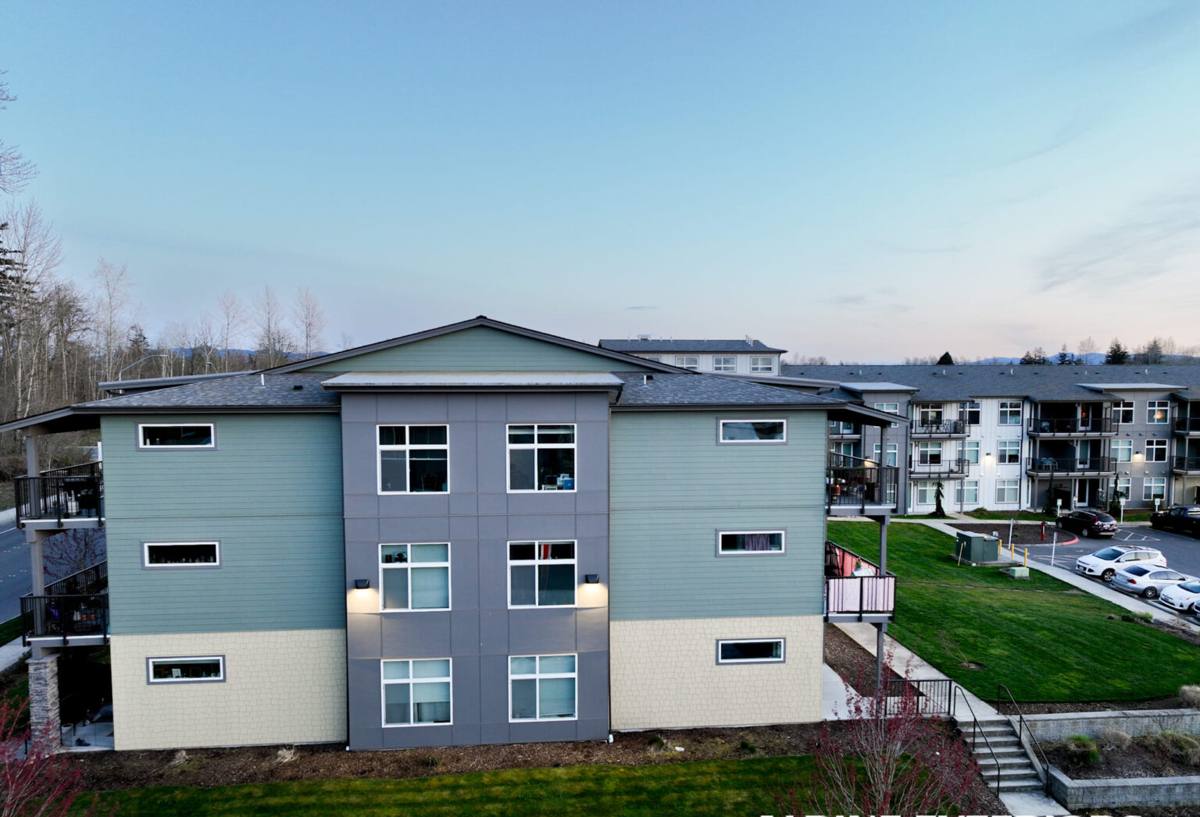
What Local Conditions Actually Do to Siding Over Time
Heat and UV
Central Florida gets some of the most intense, sustained UV exposure in the continental U.S. Factory-applied finishes are formulated to resist that; field-applied paint jobs on lesser substrates typically are not, and they show it in five to seven years through fading, chalking, and adhesion failure.
Humidity and Moisture Cycling
Countryside's humidity rarely lets up, even overnight. Siding materials that absorb moisture swell, then dry out and shrink as conditions change. That constant movement stresses seams, fasteners, and paint film — and on wood-based or composite products, it's the primary driver of rot and delamination.
Wind-Driven Rain
During tropical storms and the routine summer thunderstorm pattern, rain doesn't fall straight down here — it's pushed horizontally into the wall. Siding systems that rely on face-sealing rather than proper water-shedding lap geometry and drainage behind the cladding are the ones that let moisture behind the wall.
Salt Air
Proximity to Tampa Bay and the Gulf means airborne salt is a real factor even a few miles inland. Salt accelerates corrosion of fasteners and trim hardware and can affect how coatings age. Material choice and fastener/flashing choice both matter more here than they would in a dry inland climate.
Why We Only Install James Hardie
We made a deliberate decision as a company to install James Hardie fiber cement exclusively — not vinyl, not LP SmartSide, not Cemplank or Allura, not primed spruce or cedar. That's not a marketing position; it's a response to what we've seen this exact climate do to lesser materials. Hardie's fiber cement is non-combustible, dimensionally stable in humidity swings, and available in HZ product lines specifically engineered for climate zones like ours. The factory-applied ColorPlus finish is baked on and warranted against fading and chipping in a way field-applied paint simply isn't. For a house in Countryside, that combination isn't a luxury upgrade — it's the baseline for siding that's actually built for where it's going.
James Hardie Product Lines and Where They Fit on a Countryside Home
Not every Hardie product is right for every part of a house. Matching the right line to the right application is part of what a correct installation looks like.
| Product | Typical Use | Why It Fits This Climate |
|---|---|---|
| HardiePlank Lap Siding | Primary wall cladding | Most common choice; HZ5 formulation resists moisture and humidity cycling common to Gulf Coast homes |
| HardiePanel Vertical Siding | Accent walls, gables, modern facades | Fewer horizontal seams reduces water intrusion points on exposed elevations |
| HardieShingle | Accent sections, gable ends | Non-combustible alternative to wood shingle look without the moisture vulnerability |
| Board & Batten | Porches, accent features | Popular regional style; holds paint line and profile better than composite alternatives in high humidity |
James Hardie engineers its HZ5 line specifically for regions with high humidity and heavy moisture exposure, which includes the Tampa Bay area. Using the correct HZ formulation for our climate zone — rather than a generic national spec — is one of the details that separates a job done right from a job done fast.
What a Correct Installation Actually Involves
Substrate and Moisture Barrier
Before a single piece of siding goes up, the wall needs a proper weather-resistive barrier, correctly lapped and sealed around every penetration — windows, doors, hose bibs, vents. This is the layer that protects the wall assembly if wind-driven rain gets past the cladding, and it's also the layer that gets skipped or rushed on cut-rate jobs because nobody sees it once the siding is on.
Clearances and Fastening
James Hardie's installation instructions specify minimum clearances from grade, roofing, and decking, along with specific fastener types, spacing, and penetration depth. Getting these wrong doesn't just void the manufacturer warranty — it creates the exact conditions that let moisture into the wall and lead to premature failure, particularly around ground-level areas prone to standing water after heavy rain.
Joints, Caulking, and Butt Seams
Every seam is a potential water entry point. Correct installation staggers butt joints, uses appropriate sealants rated for this climate, and follows Hardie's specific guidance on which joints should be caulked and which should be left to shed water naturally. This is detail work that's easy to see done wrong once you know what to look for, and very hard to inspect after the fact without pulling boards.
Finish: ColorPlus vs. Field-Applied Paint
ColorPlus factory finish is baked on under controlled conditions and comes with its own finish warranty, which holds up far better against Florida UV and humidity than paint applied on-site after installation. We install ColorPlus wherever the color selection allows for it because it's simply the more durable option for this climate.
Our Process for a Countryside Siding Project
- On-site assessment — we walk the full exterior, check for existing moisture damage, and evaluate the current substrate before quoting anything.
- Tear-off and inspection — old siding comes off and we inspect the sheathing underneath for rot or damage that needs to be addressed before new siding goes on.
- Moisture barrier installation — a new weather-resistive barrier is installed and properly flashed around every penetration.
- Hardie installation to manufacturer spec — correct clearances, fastening, and joint treatment, following James Hardie's published installation requirements.
- Trim, caulking, and detail work — corners, window and door trim, and transitions are finished and sealed.
- Final walkthrough — we review the completed job with the homeowner before calling it done.
What Drives Cost on a Hardie Siding Project
| Factor | Why It Matters |
|---|---|
| Home size and elevation complexity | More corners, gables, and cutouts mean more labor and material waste |
| Substrate condition | Rotted or damaged sheathing found during tear-off adds repair scope |
| Product line and profile | Lap width, panel style, and board & batten accents price differently |
| ColorPlus vs. primed for field paint | Factory finish carries a different cost structure than site-painted product |
| Trim and accent work | Gable accents, shutters, and decorative elements add labor time |
We give straightforward, honest estimates based on what we actually find on your house — not a generic per-square-foot number that ignores the condition of what's underneath.
What to Ask Before You Hire a Siding Crew
- Are they a certified or factory-trained James Hardie installer, or just someone who's "installed it before"?
- Will they inspect and replace damaged sheathing before installing new siding, not just cover it up?
- Do they follow Hardie's published clearance and fastening specs, or their own shortcuts?
- Is the manufacturer's warranty actually valid based on how they install it?
- Do they have current experience with homes in this specific climate zone, not just siding in general?
- Will they give you a written scope that specifies product line, finish type, and trim details?
Why Local Experience in the Countryside Area Matters
A crew that regularly works homes in and around Oldsmar and the greater Pinellas County area already understands how this climate behaves house to house — where wind-driven rain tends to find weak points, how salt air affects fastener choice near the coast, and which details actually matter versus which ones are just spec-sheet boilerplate. That local pattern recognition doesn't replace following the manufacturer's installation instructions to the letter, but it does mean fewer surprises and a crew that isn't learning Gulf Coast conditions on your project.
Maintenance After Installation
One of the practical advantages of James Hardie fiber cement over wood-based or composite alternatives is how little ongoing maintenance it needs when installed correctly. It won't rot, and it's not a food source for pests. Realistic upkeep looks like:
- Rinsing the exterior periodically to clear salt residue and general grime
- Visually checking caulked joints and trim intersections once or twice a year
- Having any storm damage inspected promptly rather than waiting
- Keeping irrigation heads and sprinklers from soaking the base of the siding repeatedly
None of this is labor-intensive — it's the kind of low-maintenance profile that makes fiber cement the right long-term call for a climate like this one.
Ready to Talk About Your Home
If you're weighing a siding replacement for a home in the Countryside area or elsewhere around Oldsmar, we're happy to take a look and give you a straightforward, no-pressure estimate — including an honest read on what your current siding and substrate actually need. Use the form below to get started.