 Oldsmar Siding
 Storm Damage Roof Repair for Westchase Homes
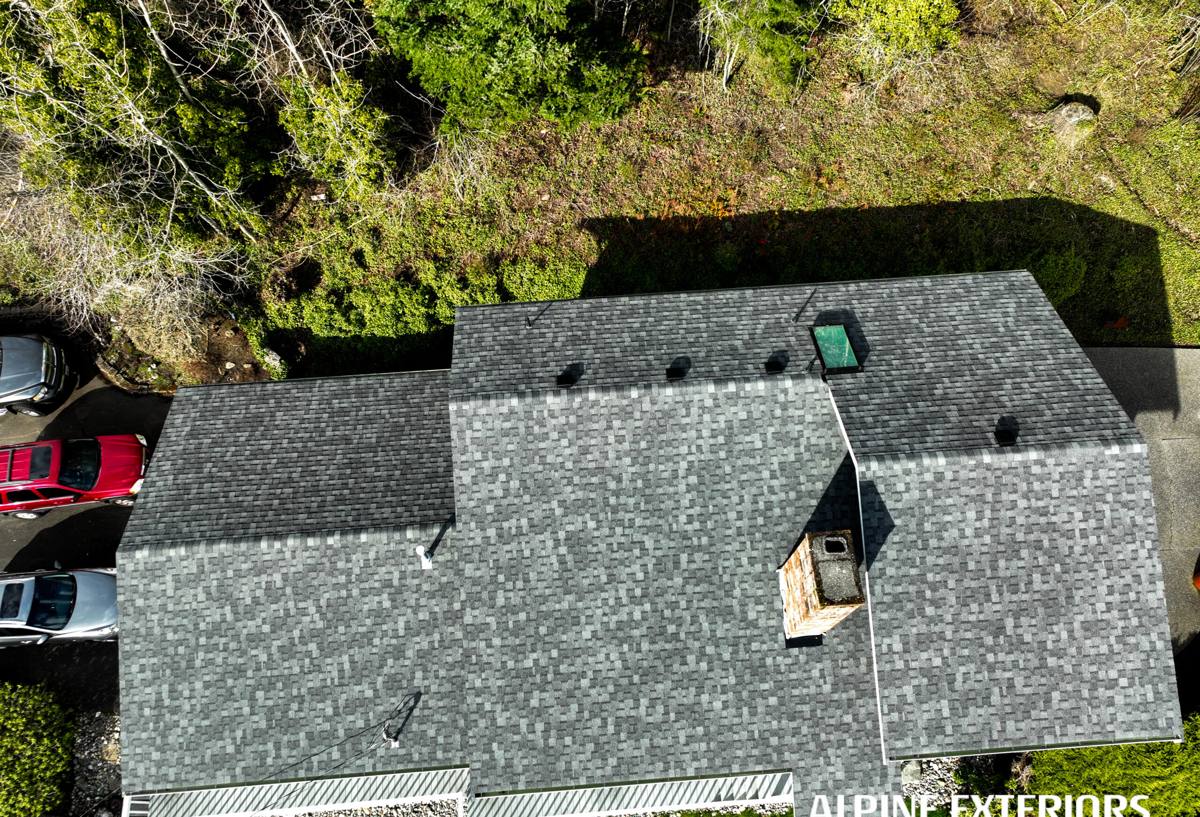
When a storm rolls through the Tampa Bay area, Westchase homes take it on the chin along with everyone else nearby. Wind gets under shingle tabs, driving rain finds its way through anything less than a tight seal, and the debris that comes down in a squall can crack tile, dent metal, or strip granules off asphalt shingles in minutes. Most of that damage isn't dramatic. It doesn't look like a hole in the roof. It looks like a lifted shingle edge, a bruised ridge cap, or a soft spot near a vent boot that nobody notices until a stain shows up on a ceiling weeks later.
This page is about one thing: storm damage roof repair, done right, for homes in and around the Westchase area. Not a full re-roof pitch, not a generic storm-chaser checklist — an honest look at what storm damage actually does to a roof in this part of Florida, what a correct repair involves, and why it matters that the crew doing the work already knows this area.
Why Roofs Here Take a Different Kind of Beating
Every roofing material has a service life on paper. Tampa Bay weather has a way of shortening that life if the roof wasn't installed or repaired correctly in the first place. A few things are working against your roof at the same time, year-round.
Hurricane-Force Wind Loads
Even when a named storm passes well offshore, the outer wind bands can still push sustained gusts strong enough to work shingles loose at the tab line, especially on older roofs where the sealant strip has already lost its grip from years of heat cycling. Wind doesn't need to peel off a whole section to cause a problem — it only needs to lift one edge enough to let water underneath.
Intense, Year-Round UV Exposure
Florida sun is harder on roofing than most homeowners realize. UV breaks down asphalt oils, dries out sealant, and makes shingles brittle over time. A brittle shingle that would have flexed and survived a wind gust five years ago can crack or shatter under the same load today. UV damage is slow and cumulative — it's the reason a roof that "looked fine" before the storm turns out to have very little wind resistance left.
Wind-Driven Rain
Straight-down rain and wind-driven rain are two different problems. When rain is being pushed sideways at 40-60 mph, it can work its way under laps, around fasteners, and through gaps that would never leak in a normal shower. This is why a roof can pass a casual visual check after a storm and still have active water intrusion happening under the surface.
Salt Air Corrosion
Westchase sits close enough to the Gulf and Tampa Bay that salt-laden air is a real factor, not just a coastal talking point. Salt accelerates corrosion on exposed metal — flashing, nail heads, drip edge, vent stacks, and screws on metal roofing. Corroded fasteners and pitted flashing are common failure points we find during storm damage inspections, even on roofs that are otherwise in decent shape.
What Actually Counts as Storm Damage
Storm damage isn't always the obvious stuff. Some of the most costly damage is the kind a homeowner would never spot from the ground or even from a ladder without knowing what to look for.
- Lifted or creased shingle tabs — the sealant bond is broken even if the shingle looks intact
- Granule loss from wind-driven debris or hail, which exposes the asphalt mat underneath to direct UV
- Cracked or slipped tiles on tile roofs, often from wind-borne debris impact
- Torn or lifted ridge cap and hip shingles — these take the highest wind load on the roof
- Compromised flashing around chimneys, skylights, and wall-to-roof transitions
- Damaged or missing vent boots, which are rubber and degrade under UV faster than the rest of the roof
- Soffit and fascia damage from wind pressure at the roof edge, which affects attic ventilation
- Hidden underlayment tears that only show up once shingles are pulled back for inspection
The common thread is that most of this damage doesn't announce itself with a leak right away. It shows up later, often during the next heavy rain, which is exactly why a post-storm inspection matters even when the roof "looks okay."
What a Correct Repair Actually Involves
Inspection Before Anything Else
A proper storm damage repair starts on the roof, not with a quote written from the ground. That means checking the decking underneath damaged areas for soft spots or moisture, not just replacing what's visible on the surface. If the plywood decking has absorbed water, patching over it without addressing the wet substrate just traps the problem under new material.
Matching the Repair to the Rest of the Roof
A repair should blend into the existing roof system, not just cover the damaged spot. That means using shingles or tiles that match in profile and, where possible, color, and tying new underlayment into the old correctly so water has a continuous path off the roof rather than a seam where it can back up. A patch that doesn't integrate with the surrounding material is often just a slower version of the same failure.
Flashing and Penetrations Get Checked, Not Just the Field
Most roof leaks after a storm don't come from the open field of shingles or tile — they come from the transitions: flashing, valleys, vent boots, and wall intersections. A repair that only addresses the visibly damaged shingles while ignoring the flashing nearby is a repair that's likely to leak again in the next storm.
Attention to Fasteners and Sealant
Given how hard local UV and salt air are on sealant and exposed metal, a correct repair uses fasteners and sealant rated for this climate, not whatever is cheapest. This is a small line item that has an outsized effect on how long the repair actually holds.
Our Process, Start to Finish
- Initial inspection. We get on the roof (not just look from the driveway) and document what we find, including areas that aren't obviously damaged but are showing early signs of wear.
- Honest scope of work. We tell you what's storm damage, what's pre-existing wear, and what can wait. We don't pad a repair into a full re-roof recommendation unless the roof genuinely needs it.
- Written estimate. Clear scope, materials, and timeline before any work starts.
- Repair execution. Decking, underlayment, flashing, and surface material addressed as a system, not just the visible damage.
- Site cleanup. Nails and debris cleared from the yard and driveway — a magnetic sweep is standard practice for us, not an upsell.
- Final walkthrough. We show you the completed work and explain what was done before we consider the job finished.
Repair or Replace? What Actually Drives That Decision
Not every storm-damaged roof needs to be replaced, and not every roof can be responsibly patched. The right call depends on a few honest factors.
| Factor | Leans Toward Repair | Leans Toward Replacement |
|---|---|---|
| Extent of damage | Localized to one section or slope | Widespread across multiple slopes |
| Roof age | Well within expected service life | Already near or past typical lifespan |
| Decking condition | Dry, solid underneath | Soft, delaminated, or water-stained in multiple areas |
| Prior repair history | First significant issue | Repeated patches in different spots over time |
| Material availability | Matching shingles/tile still obtainable | Discontinued material, poor color/profile match |
| Insurance scope | Adjuster scopes it as a repair | Adjuster or engineer scopes full slope or roof replacement |
We'll walk you through where your roof falls on this list and why, in plain terms. If a repair is the honest answer, that's what we'll recommend — a repair that's done correctly tends to outperform a rushed, underscoped replacement anyway.
Working With Your Insurance Company
Storm damage claims move faster and go smoother when the documentation is solid from the start. We photograph and document damage during the initial inspection in a way that's useful for a claim, and we can walk an adjuster through what we found on the roof directly. We're not a public adjuster and we don't handle the claim on your behalf, but we can give you a clear, accurate scope of the roofing damage so there's no gap between what we say needs repair and what gets approved.
One thing worth knowing: a same-storm claim generally needs to tie the damage to a specific, dated weather event. That's part of why getting an inspection soon after a storm matters — it's easier to document damage as storm-related close to the event than months later when UV and everyday wear have blurred the line.
Why It Matters That the Crew Already Works This Area
A roofing crew that regularly works Westchase and the surrounding Oldsmar area brings a few practical advantages that a company driving in from outside the region can't easily match.
- Faster response after a storm — we're not routing a crew in from across the state after every homeowner in three counties has already called them
- Familiarity with local permitting and inspection expectations in Pinellas County and the surrounding jurisdictions, which keeps repairs compliant and avoids delays
- Real experience with how local homes are built — common roof types, common vulnerable points, and how they tend to fail under wind and rain here specifically
- Accountability — a local crew has a reputation to protect in the community they live and work in, which matters more than a one-time job from an out-of-town outfit that won't be around for the warranty call
Storm season brings out traveling crews that go door to door after major weather events and disappear once the checks clear. We're not that. We work this area consistently, storm season and otherwise, which is exactly why we're positioned to respond quickly when Westchase homes actually need it.
After the Storm: What to Check Before You Call
You don't need to get on the roof yourself, and we'd rather you didn't — but there are a few things worth checking from the ground or from inside the attic if it's safe to do so.
- Ceiling stains, especially near chimneys, skylights, or where two roof planes meet
- Granules collecting in gutters or at downspout outlets after a storm
- Visibly lifted, curled, or missing shingles from the ground or a neighbor's upstairs window
- Cracked or displaced tiles if you have a tile roof
- Damp insulation or a musty smell in the attic
- Soffit panels that look loose, sagging, or have pulled away from the fascia
None of these on their own confirm the extent of the damage — that's what the inspection is for — but they're good reasons to get one scheduled sooner rather than later.
Let's Take a Look
If your Westchase-area home has been through recent storms and you're not sure whether what you're seeing is real damage or just normal wear, we're happy to come take a look. The estimate is free, there's no pressure to sign anything on the spot, and you'll get a straight answer about what's actually going on with your roof. Fill out the form below and we'll get in touch to schedule a time.