 Oldsmar Siding
 Roofing in Town 'N Country: Built for What This Climate Actually Does to a Roof
A roof over Town 'N Country isn't just shedding the occasional rain shower. It's absorbing months of intense, direct Florida UV that breaks down asphalt oils and fades color. It's taking wind-driven rain that doesn't fall straight down but sideways, hunting for any gap in flashing or underlayment. And because this area sits close enough to the coast to feel the effects of salt-laden air, metal fasteners, flashing, and vent components corrode faster here than they would a few hundred miles inland. Add hurricane-force wind events that stress every nail and seam on the roof deck, and you have a climate that punishes shortcuts.
None of this means a roof in Pinellas County has to fail early. It means the installation has to be done correctly the first time, using materials and methods matched to what this specific climate does over years, not just what looks fine on installation day.
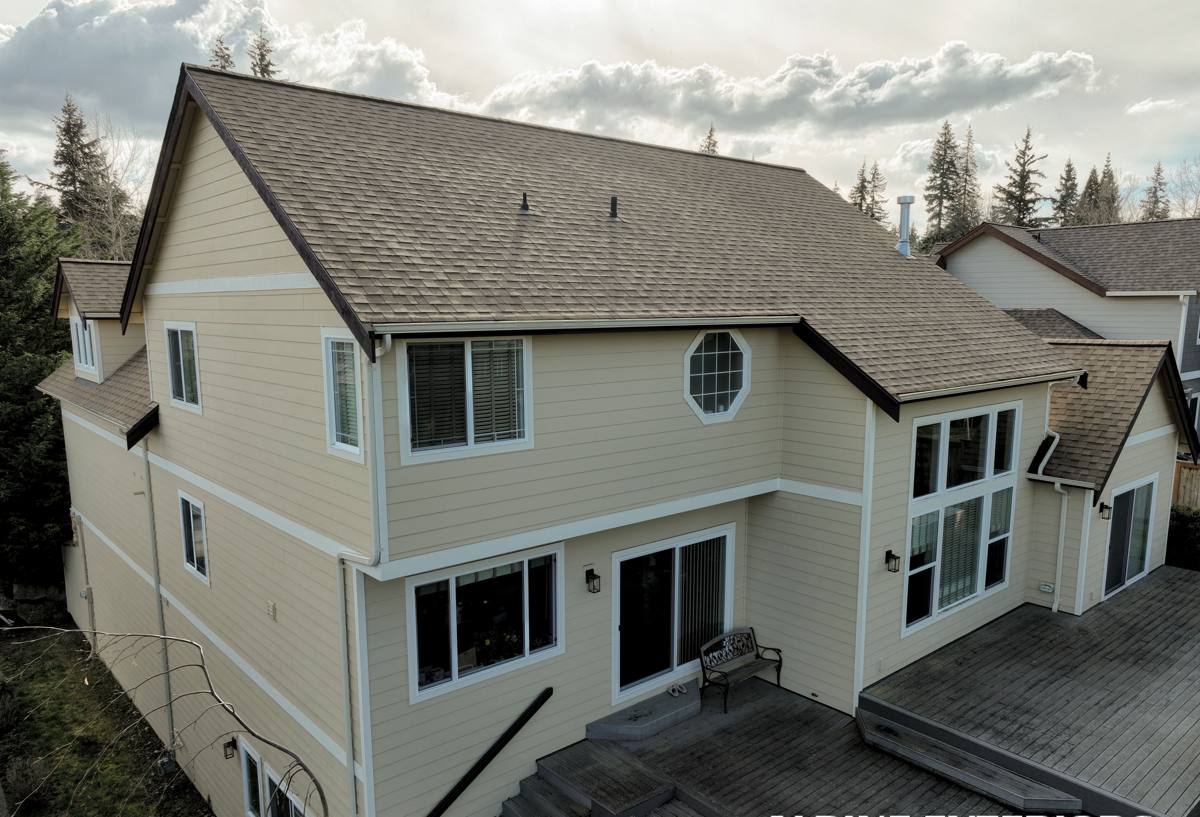
What a Correct New Roof Installation Actually Involves
"New roof" sounds simple, but the quality of the job is decided almost entirely by what happens underneath the shingles or tile, not by the finished surface. A roof that looks good from the driveway can still be poorly built underneath.
Tear-Off and Deck Inspection
A proper installation starts with a full tear-off down to the deck, not an overlay on top of old material. This lets us actually see the wood underneath. Any soft, delaminated, or water-stained decking gets identified and replaced before anything new goes down. Skipping this step is one of the most common ways a "new roof" ends up with problems within a few years — the surface is new, but it's fastened to compromised wood.
Underlayment and Secondary Water Barrier
The underlayment is the roof's real waterproofing layer; the shingles or tile are the wear surface on top of it. In a climate with regular wind-driven rain, we treat underlayment and sealed deck seams as non-negotiable, not an upsell. This is also where a secondary water barrier matters most — if wind ever lifts or damages the outer roofing material during a storm, this layer is what keeps water out of the living space underneath.
Flashing at Every Penetration
Valleys, chimneys, skylights, pipe boots, and wall transitions are where the overwhelming majority of roof leaks actually start — not in the open field of shingles. Correct flashing means properly lapped, sealed metal at every one of these points, not caulk used as a substitute for proper flashing technique.
Ventilation That Actually Works
Florida attics get hot, and a roof system that can't breathe properly traps that heat and moisture against the underside of the deck. Balanced intake and exhaust ventilation protects the decking, helps the shingles or tile last their full rated life, and keeps attic temperatures from working against your air conditioning.
Choosing the Right Roofing Material for a Town 'N Country Home
There isn't one "best" roofing material for every home — it depends on the roof structure, budget, and how long you plan to own the home. Here's how the common options compare for this climate:
| Material | Wind Performance | UV & Heat Tolerance | Maintenance | Typical Lifespan |
|---|---|---|---|---|
| Architectural asphalt shingle | Strong when properly nailed and rated for high wind | Good; quality granules resist UV fade | Low; periodic inspection | 20–30 years |
| Concrete or clay tile | Excellent once correctly fastened | Excellent; unaffected by UV | Occasional broken-tile repair | 40–50+ years |
| Standing seam metal | Excellent; very few exposed fasteners | Excellent; reflects heat well | Low | 40–50+ years |
| 3-tab asphalt shingle | Weaker; lower wind rating | Fair; fades and wears faster | Low, but shorter service life | 15–20 years |
For most Town 'N Country homes, we steer people toward architectural shingles rated for high wind or, where the roof structure and budget support it, tile or standing seam metal. We don't recommend 3-tab shingles for this area — the lower wind rating and shorter lifespan make it a poor match for the storm exposure here, not because it's a bad product everywhere, but because it isn't built for what this specific climate asks of a roof.
Our New Roof Installation Process, Start to Finish
- On-site inspection and honest assessment. We look at the current roof, the deck condition where visible, attic ventilation, and any problem areas before recommending anything.
- Material selection and written estimate. You get clear options and a written scope, not a vague verbal quote.
- Permitting. We pull the required roofing permit and handle scheduling of any inspections tied to it.
- Full tear-off. Old roofing material is removed completely and hauled off, not layered over.
- Deck repair. Any damaged decking found during tear-off is replaced before underlayment goes down.
- Underlayment, flashing, and secondary water barrier installation. The waterproofing system goes in first and is inspected before the finish material is applied.
- Installation of the new roofing material to manufacturer specification and the fastening pattern required for our wind zone.
- Site cleanup and final walkthrough, including a magnetic sweep for stray nails and a review of the finished work with you.
Permits, Wind Ratings, and Florida Building Code
Pinellas County requires a permit for roof replacement, and inspections are tied to that permit at defined stages of the job. This isn't paperwork for its own sake — it's a check that the underlayment, fastening pattern, and flashing were actually done to code before they're covered up by the finished roof surface.
Florida's building code has tightened roofing requirements over the years specifically because of hurricane experience, including fastening patterns rated for local wind speeds and, for many roof types, a required secondary water barrier. A roof installed to current code isn't just about compliance — it's a meaningfully more storm-resistant roof than one installed to older, looser standards. A permitted, code-compliant installation also matters at resale and for wind mitigation inspections tied to your homeowners insurance premium.
Signs Your Town 'N Country Roof May Be Due for Replacement
- Shingles that are curling, cupping, or losing significant granules
- Cracked, slipped, or missing tiles
- Soft or spongy spots when walking the roof
- Daylight visible through the roof deck from inside the attic
- Water stains on interior ceilings or in the attic after rain
- Missing or lifted shingles after a wind event
- Rusting or deteriorating flashing around chimneys, vents, or skylights
- A roof approaching or past 20 years old, especially if it's never been replaced
Any one of these on its own doesn't necessarily mean full replacement, but it's worth an honest inspection rather than waiting for a leak to force the decision during the next storm.
What Drives the Cost of a New Roof Installation
Every roof is different, so we don't quote a number without seeing the job, but a few factors consistently move the price up or down:
- Roof size and number of squares to be covered
- Roof pitch and complexity — steep or heavily cut-up roofs take longer and cost more to install safely and correctly
- Material choice — shingle, tile, and metal carry different material and labor costs
- Deck condition — how much, if any, decking needs to be replaced once the old roof comes off
- Number of penetrations like chimneys, skylights, and vent stacks, each requiring proper flashing
- Layers of existing roofing to be torn off before new material goes down
We walk through these factors with you during the estimate so you understand what you're paying for and why, not just a bottom-line number.
Why Hire a Crew That Already Works in Town 'N Country
Roofing crews that work this area regularly know the housing stock, the common roof pitches and structures found here, and what the local permitting office expects on a submission — which keeps your project moving instead of stalled on paperwork. Local crews are also the ones who show up quickly after a wind event, because they're not driving in from across the region to reach you.
Just as important is what happens after the roof is finished. A crew rooted in this area has a reputation to protect with the neighbors, HOAs, and homeowners they'll keep working with for years. That's a real incentive to stand behind the workmanship, not just collect final payment and move on. When you're trusting someone with the single most important weatherproofing system on your home — in a county that sees real hurricane risk, sustained UV, and salt air — that local accountability is worth something.
If your roof is showing its age or you're planning ahead of the next storm season, we're happy to take a look and give you a straight, no-pressure assessment. Use the form below to request a free estimate for your Town 'N Country roof.