 Oldsmar Siding
 Roof Replacement for Westchase Homes in Oldsmar
Westchase homeowners in Oldsmar deal with a roofing climate that doesn't give much of a break. Between hurricane season wind loads, near-constant UV exposure, wind-driven rain, and the salt-laden air that rolls in off Tampa Bay, a roof here ages differently than the same roof would fifty miles inland. When it's time to replace one, the goal isn't just to put new shingles or panels on the house — it's to put on a system that's actually built for what Pinellas County throws at it year after year.
This page covers what a full roof replacement looks like for homes in and around Westchase specifically: what the climate demands, how a correct install differs from a rushed one, what our process looks like from first call to final inspection, and why local experience on this exact type of housing stock matters more than a lot of homeowners realize until something goes wrong.
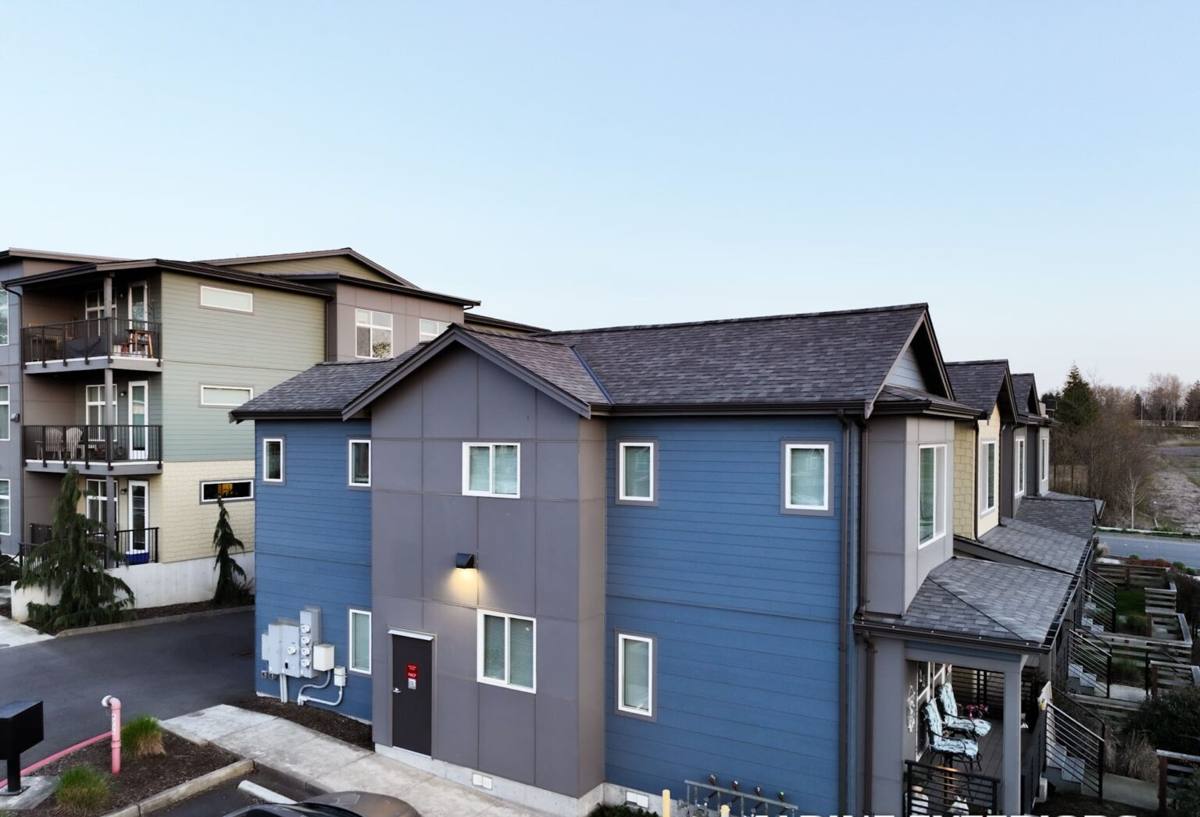
What Westchase's Climate Actually Does to a Roof
Before talking about materials or process, it helps to understand the forces actually at work on a roof in this part of Florida.
Hurricane-Force Wind
Wind is the single biggest structural threat to a Florida roof. It doesn't just push down on shingles — it creates uplift at edges, ridges, and corners, which is exactly where most storm-related roof failures start. A roof that isn't properly fastened, sealed, and detailed at those transition points is the one that loses shingles or, worse, decking in a strong blow.
Year-Round UV
Florida sun isn't seasonal the way it is up north — it's a near-daily load on roofing materials for twelve months a year. UV breaks down asphalt oils in shingles, causes granule loss, and accelerates the aging of underlayment and sealants faster than manufacturers' national warranties often assume.
Wind-Driven Rain
Rain that falls straight down is easy for any roof to shed. Rain that's being pushed sideways by 40-60 mph gusts is a different problem — it finds its way under shingle tabs, around flashing, and into any gap that a calmer climate roof could get away with ignoring. This is why underlayment choice and flashing detail matter as much as the shingle itself.
Salt Air
Westchase and the greater Oldsmar area sit close enough to Tampa Bay and the Gulf that salt-laden air is a real factor, particularly on metal components — flashing, fasteners, vents, and drip edge. Salt accelerates corrosion on anything that isn't rated for coastal exposure, which shortens the life of hardware long before the roofing material itself would otherwise need replacement.
Signs a Westchase Roof Needs Replacement, Not Another Repair
Not every roof problem calls for a full tear-off. But there's a point where patching becomes a waste of money, and knowing where that line is saves homeowners from throwing good money after bad.
- Granule loss heavy enough that shingles look patchy or bald, especially on south- and west-facing slopes
- Multiple past repairs in different areas of the roof rather than one isolated problem spot
- Curling, cupping, or cracked shingles across large sections rather than a few isolated tabs
- Soft spots or visible sagging in the roof deck when walked or viewed from the attic
- Daylight visible through the roof boards from inside the attic
- Roof is 18-20+ years old (asphalt shingle) and has never had underlayment or flashing upgraded
- Recurring leaks near valleys, chimneys, or roof-wall intersections despite prior sealant repairs
- Rising energy bills tied to poor attic ventilation or degraded roof insulation performance
If a roof is showing two or more of these at once, a replacement conversation is usually more honest — and often more cost-effective over five to ten years — than another round of spot repairs.
What a Correct Roof Replacement Involves
A roof replacement is more than swapping old shingles for new ones. Done right, it's a full system rebuild from the deck up, with each layer doing a specific job against wind, water, and heat.
Tear-Off and Deck Inspection
Old roofing material comes off completely so the deck underneath can be inspected. Any soft, delaminated, or water-damaged plywood or OSB gets replaced before anything new goes down — covering a compromised deck is one of the most common shortcuts that leads to problems years later.
Underlayment
In a wind-driven rain climate, underlayment is doing real work, not just serving as a backup layer. Synthetic underlayment or a self-adhering membrane at vulnerable areas (valleys, eaves, penetrations) gives the roof a second line of defense if wind ever forces water past the outer roofing material.
Flashing and Edge Details
Flashing around chimneys, skylights, walls, and roof valleys is where most leaks actually originate — not in the open field of shingles. Drip edge and starter strip installation at the eaves and rakes also directly affects wind uplift resistance, which matters given the storm exposure in this area.
Fastening for Wind Rating
Nailing pattern and fastener count aren't just building code checkboxes — they're what determines whether a roof holds together in a real windstorm. Florida Building Code sets minimum wind-resistance standards for a reason, and a correct install meets or exceeds them rather than treating them as a ceiling.
Ventilation
An attic that can't breathe properly traps heat, which shortens shingle life from underneath and drives up cooling costs. Ridge vents, soffit vents, or other ventilation components should be sized correctly for the roof and home, not just replicated from whatever was there before if the old system was undersized.
Material Options for Westchase Homes
There's no single "best" roofing material for every house — it depends on budget, roof style, and how long the homeowner plans to be in the house. Here's an honest comparison for this climate.
| Material | Typical Lifespan Here | Wind/Storm Performance | Salt Air Considerations |
|---|---|---|---|
| Architectural asphalt shingle | 18-25 years | Good, when properly fastened and rated for high-wind zones | Standard; metal accessories should be coastal-rated |
| 3-tab asphalt shingle | 12-18 years | Lower wind resistance than architectural shingles | Same accessory considerations apply |
| Standing seam metal | 40-50+ years | Excellent uplift resistance with proper clip spacing | Requires coastal-grade coatings and fasteners |
| Tile (concrete or clay) | 40-50+ years | Good if properly fastened; individual tiles can dislodge in extreme wind | Underlayment life often becomes the limiting factor before the tile itself |
For most Westchase homes, architectural asphalt shingle remains the most common choice because it balances upfront cost with solid wind performance when installed to current code. Metal and tile carry a higher initial cost but a much longer service life, which changes the math for homeowners planning to stay long-term.
Why We Frame Every Recommendation Around Trade-Offs, Not Upsells
Every roofing material and underlayment option involves trade-offs — cost, maintenance, appearance, installation sensitivity, and how the warranty is structured. Our standard is to walk homeowners through those trade-offs honestly rather than steering toward whatever carries the highest margin. A lower-cost shingle roof that's properly fastened and flashed will often outperform a premium material that's installed carelessly. Material quality and installation quality both matter — neither one compensates for a failure in the other.
Our Replacement Process, Start to Finish
- On-site inspection: We look at the roof, attic ventilation, deck condition, and any current leak points before recommending anything.
- Written estimate: A clear breakdown of material options, scope of work, and cost — no vague allowances.
- Permitting: Roof replacements in Oldsmar and unincorporated Pinellas County require a building permit; we handle that process rather than leaving it to the homeowner.
- Material delivery and site prep: Landscaping and property are protected before tear-off begins.
- Tear-off and deck inspection: Old material removed, deck inspected board by board, any damaged sections replaced.
- Underlayment, flashing, and roofing installation: Each layer installed to manufacturer spec and current wind-rating code requirements.
- Cleanup: Magnetic sweep for nails and full debris removal from the property.
- Final inspection: Both our own quality walk-through and the required municipal inspection sign-off.
What a Roof Replacement Involves Cost-Wise
Roof replacement cost depends on more variables than most homeowners expect, and quotes that skip past these factors are usually leaving something out.
| Factor | Why It Affects Cost |
|---|---|
| Roof size and pitch | Steeper roofs take longer to work safely and use more material per square foot of coverage |
| Deck condition | Rotted or delaminated decking found during tear-off adds material and labor to replace |
| Material choice | Asphalt, metal, and tile carry very different material and labor costs |
| Number of penetrations | Chimneys, skylights, and vents each require individual flashing work |
| Layers of existing roofing | Removing multiple old layers takes more labor than a single-layer tear-off |
| Permit and code requirements | Current wind-rating standards may require upgraded fastening or underlayment versus what was there before |
We give homeowners a real number based on an actual inspection rather than a rough phone estimate, because a roof quoted without seeing the deck condition is a guess, not a plan.
Why Local Experience in Westchase and Oldsmar Matters
A crew that regularly works homes in this part of Pinellas County already understands the housing stock, the typical roof pitches and styles built in this area, and the specific code requirements that apply here — rather than treating every job as a blank slate. That familiarity shows up in small but important ways: knowing which flashing details tend to fail first on homes of a certain age, understanding how salt air affects hardware choices this close to the bay, and being available for follow-up if a question comes up after a storm rather than having moved on to a job three counties away. For a roof replacement — something most homeowners do once or twice in the time they own a house — that local track record is worth asking about directly.
Maintaining a New Roof After Installation
A correctly installed roof still benefits from basic upkeep, and a little attention extends its service life meaningfully in this climate.
- Clear debris from valleys and gutters after storms so water has a clear path off the roof
- Trim overhanging branches that can abrade shingles in high wind
- Have flashing and sealant points visually checked after any major storm event
- Keep attic ventilation clear of insulation blockage so it can do its job year-round
- Schedule a periodic visual inspection every couple of years rather than waiting for a visible leak
If your Westchase home's roof is showing its age or you're weighing repair versus replacement, we're happy to take a look and give you a straight answer — no pressure, no upsell. Fill out the form below for a free estimate.