 Oldsmar Siding
 New-Construction Windows Are a Different Job Than Replacements
New-construction windows go in before the house has walls, stucco, or siding around them — they get installed into open framing, tied into the house wrap and flashing system, and sealed before anything else covers that opening. That's a completely different process from a retrofit or replacement job, where a window gets fitted into an existing, finished wall. Homeowners and builders working on projects in and around Westchase sometimes assume "installing a window" is the same task either way. It isn't, and the mistakes that happen at this stage are the ones that show up as leaks two or three years down the road, hidden behind drywall and stucco where nobody can see them until there's damage.
Because this work happens during the build, the window contractor has to work directly with the framing crew, the stucco or siding trade, and often the builder's schedule — not just the homeowner. Getting that sequencing and coordination right the first time is most of what separates a clean new-construction window job from one that causes callbacks.
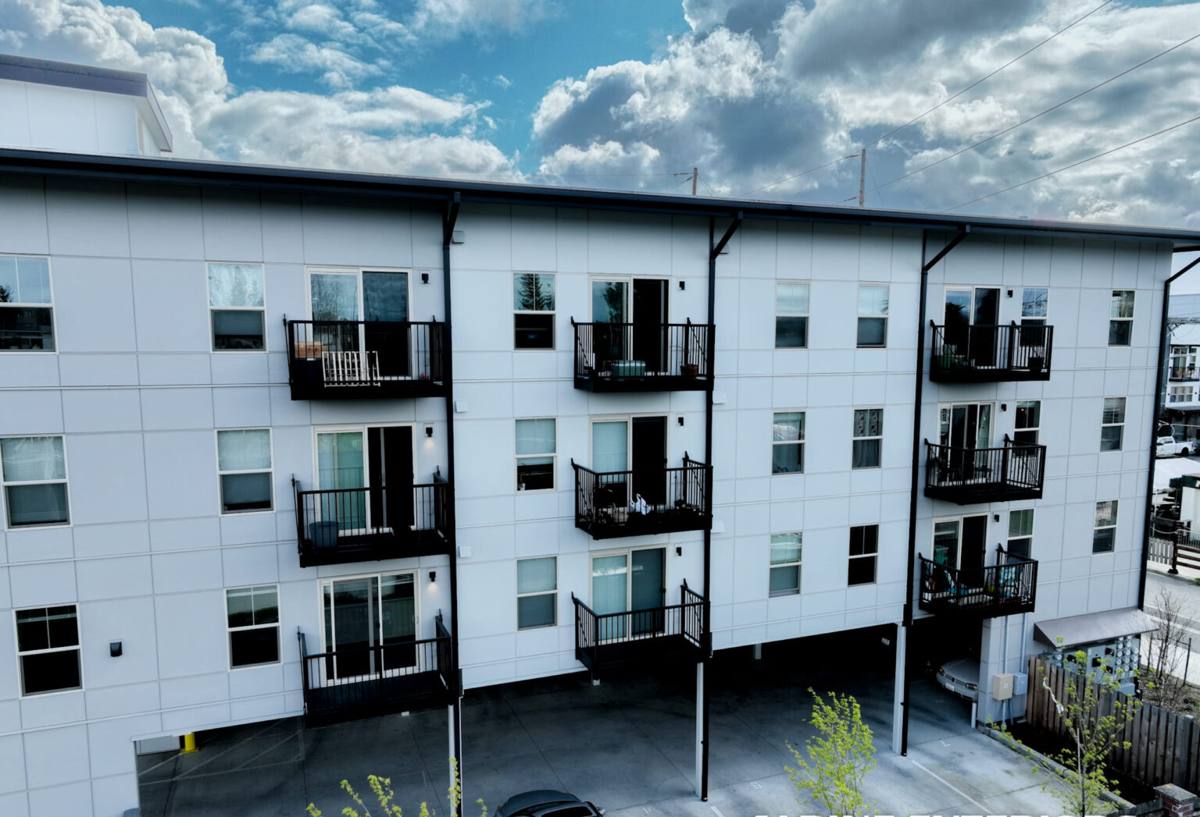
What Pinellas County's Climate Asks of a New Build
Any home going up in this part of Florida has to be built to handle conditions that are harder on windows than in most of the country. Hurricane-force wind events are a real design consideration, not a hypothetical — wind pressure on a window and its opening has to be accounted for at the framing stage, not patched in later. Year-round UV exposure breaks down lesser sealants, frame coatings, and gaskets faster here than almost anywhere else, so material choice at installation matters more than it does in milder climates. Wind-driven rain during storms pushes water sideways and upward against a wall, which means flashing details that would be fine in a dry climate aren't good enough here. And salt air moving inland from the Gulf and Tampa Bay accelerates corrosion on hardware, fasteners, and certain frame materials over time.
None of that is unique to Westchase specifically, but it's the baseline every new-construction window package in this part of the county has to be designed around. A window that's rated correctly and installed correctly for these conditions will perform for decades. One that's rated or installed for a milder climate will show its weaknesses the first time a serious storm comes through.
Where New-Construction Installs Go Wrong
- Flashing installed out of sequence with the house wrap, creating a path for water to get behind it instead of over it
- Nailing fins fastened without full contact to sheathing, leaving gaps that show up as movement or leaks under wind load
- Rough openings cut oversized "to be safe," then shimmed and sealed poorly instead of framed to spec
- Sill pans skipped or improvised instead of properly formed, letting any water that does get past the window pool against the sheathing
- Sealant and backer rod chosen for cost instead of UV and movement tolerance, failing well before the window itself does
What a Correct New-Construction Window Installation Involves
Done right, the sequence is methodical and follows the same order every time, because that order is what keeps water moving out and away from the structure instead of into it.
- Rough opening check — verified square, level, and sized to the exact window specification before anything else happens.
- Sill pan installation — a formed drainage plane at the bottom of the opening so any water that gets past the window sheds outward, not into the wall cavity.
- Flashing integration — jamb and head flashing woven into the house wrap in the correct shingle-lap order, so water sheds down and over each layer.
- Window set and fastened — nailing fin or installation flange fastened per the manufacturer's schedule, with full, consistent contact to the sheathing.
- Sealant and backer rod — a UV-stable sealant rated for this climate, applied at the correct joints, not smeared over gaps as a substitute for proper flashing.
- Final inspection — checked for square, plumb, smooth operation, and a continuous weather barrier before the stucco or siding trade closes it up.
Every one of those steps has to happen before the exterior finish goes on, because once stucco or siding covers the opening, a mistake underneath it is invisible until it fails.
Wind Load and Florida Building Code
Windows going into new construction anywhere in this region have to meet Florida Building Code wind load and wind-borne debris requirements based on the home's location and exposure. The specific pressure rating a window needs depends on the site, the home's height, and its exposure category — that's engineering the builder or architect will have already worked out, and the window package has to match it exactly. Substituting a lower-rated window to save money at this stage is one of the most common — and most expensive to fix later — mistakes on a new build.
| Approach | What It Means | Trade-off to Understand |
|---|---|---|
| Impact-rated windows | Laminated glass rated to resist wind-borne debris on its own, no separate shutters needed | Higher upfront cost per opening, but no storm-prep labor and consistent protection year-round |
| Non-impact + code shutters | Standard glass paired with approved shutter or panel systems deployed before a storm | Lower window cost, but requires storage, deployment, and someone available to install shutters before every event |
| Mixed approach | Impact glass on hard-to-access or high-value openings, shutters elsewhere | Balances cost, but needs careful planning so every opening still meets code on paper |
Whichever direction a homeowner or builder chooses, the rating has to be documented and match what's on the approved plans — inspectors check this, and it's far cheaper to spec it correctly up front than to swap windows after a failed inspection.
Coordinating With Your Builder or GC
New-construction window work doesn't happen in isolation — it has to slot into the framing and dry-in schedule without holding up the trades coming in behind it. That means having windows on-site and ready before the crew shows up, communicating clearly with the general contractor about sequencing, and being available if the schedule shifts, which it often does on active job sites. A window crew that's used to working alongside builders in this area understands that dry-in day isn't flexible and shows up prepared instead of causing delays that ripple through the rest of the build.
It also means being straightforward with the builder or homeowner about what's actually happening at each step — what's been flashed, what's been sealed, and what still needs inspection — rather than treating it as a black box that only gets explained if something goes wrong later.
Frame Material Considerations for This Climate
Frame material affects how a window holds up to UV, humidity, and salt air over the life of the house. Vinyl frames are common and cost-effective, and quality has improved, but lower-grade vinyl can discolor or warp under years of intense Florida sun. Aluminum frames are strong and handle wind load well but conduct heat and can corrode near salt air if not properly coated. Fiberglass and composite frames tend to hold color and dimensional stability the longest in this climate, at a higher material cost. None of these is a wrong choice outright — the right one depends on the home's budget, the builder's spec, and how long the owner plans to be in the house. What matters more than the brand name on the frame is whether it's installed correctly, because even the best-rated window will underperform if the flashing and sealant work underneath it is done poorly.
Our Process for Westchase-Area New Construction
On new-construction jobs in and around Westchase, we work directly off the plans and the approved wind load spec rather than guessing at what a home needs. That starts with confirming window schedules and ratings against the permit set, checking rough openings before install day, and following the same flashing and sealant sequence on every opening — no shortcuts because a wall is about to get covered up. We coordinate with the builder's schedule so we're not the trade holding up dry-in, and we document what was installed and how, so there's a clear record if anything ever needs to be referenced later — during a real estate transaction, an insurance review, or a warranty question.
Because we work with builders and homeowners across this part of Pinellas County regularly, we're familiar with the inspection expectations and the pace new-construction projects move at. That familiarity is worth something: a crew that's installed dozens of openings under the same code requirements moves faster and catches problems earlier than one seeing this process for the first time.
Checklist: What to Confirm Before New-Construction Window Install Day
- Window wind pressure ratings match the approved plans and site exposure category
- Impact rating or shutter plan is documented and consistent across all openings
- Rough openings are framed to the exact window specification, not "close enough"
- Sill pan and flashing materials are on-site and rated for this climate's UV and moisture exposure
- Installation sequence is scheduled ahead of the stucco or siding trade, with no gaps in between
- Someone is documenting the install before it gets covered by exterior finish
Why Hiring a Crew That Already Works This Area Matters
New-construction window work is unforgiving of guesswork — a mistake made at framing stage doesn't show up until the exterior finish is already on, and by then it's a much bigger repair than it would have been to do right the first time. A local Oldsmar-based crew that regularly handles new-construction openings in this part of Pinellas County already knows the wind load expectations, the inspection process, and how to keep a builder's schedule moving without cutting corners on flashing and sealant work that has to last through decades of Florida storms, sun, and salt air. That local track record is the difference between a window package that's just installed and one that's actually built to hold up here.
If you're a homeowner or builder with a new-construction project in the Westchase area, we're happy to walk through the window schedule, wind load requirements, and installation plan with no pressure and no obligation. Use the form below to request a free estimate.