 Oldsmar Siding
 New Roofs Built for the Land O' Lakes Climate
A roof in the Land O' Lakes area doesn't have an easy job. It sits under intense, nearly year-round UV exposure, takes the full force of wind-driven summer storms, and has to survive whatever a hurricane season decides to send its way. Add in the humidity that never really lets up and the salt-laden air that drifts inland across the greater Tampa Bay region, and you've got a roofing system that ages faster here than it would almost anywhere else in the country. A new roof installation isn't just a construction project — it's the single biggest weatherproofing decision most homeowners will make for their house.
We install new roofs for homes in and around Land O' Lakes with that reality in mind from the first estimate to the final inspection. That means choosing materials rated for local wind speeds, building in proper ventilation to fight heat and moisture buildup, and following installation details that hold up when a storm actually tests them — not just when the sun is out.
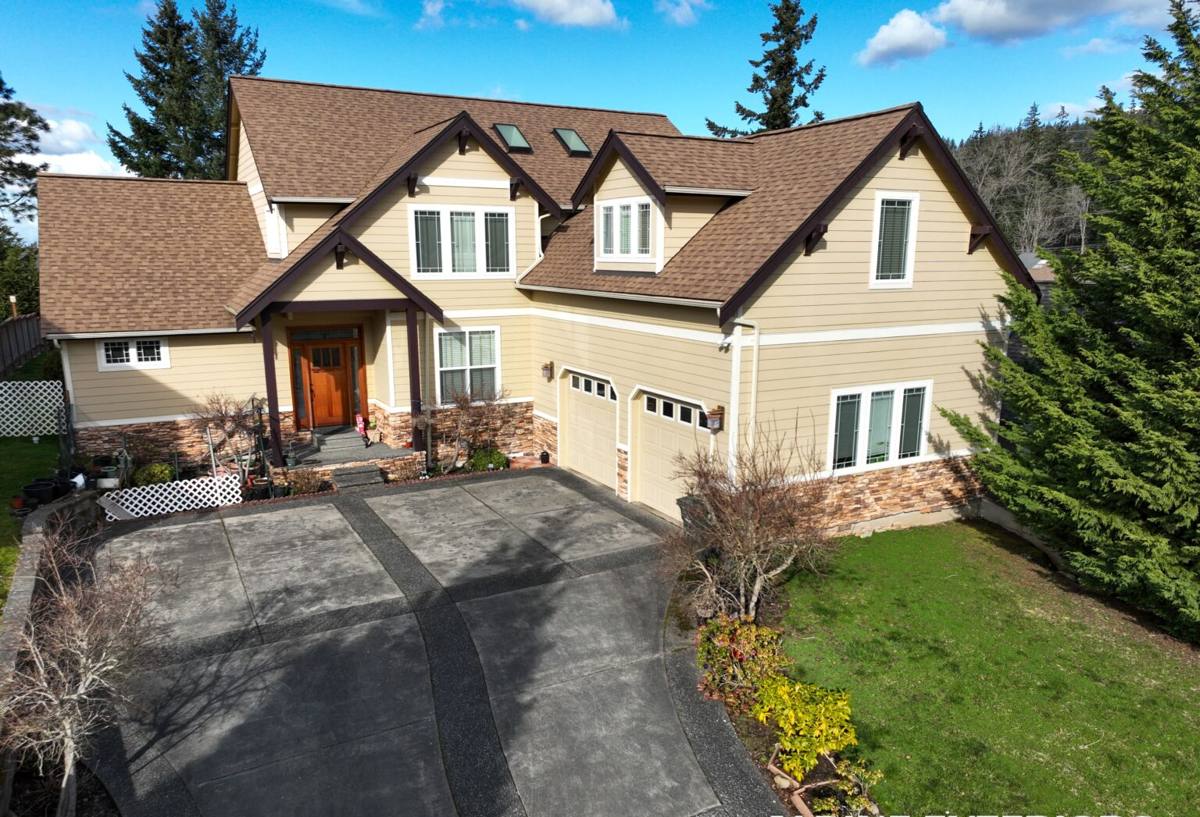
What Local Homes Actually Need From a New Roof
Not every roofing job is the same everywhere in the country, and homes in this part of Florida have specific stress points that a generic installation can miss.
Wind Resistance That Matches Reality
Florida building code sets minimum wind-uplift requirements for a reason. Roofs here need fastening patterns, underlayment, and edge details engineered to resist sustained high winds and the gusts that come with tropical systems — not just the baseline nailing pattern a shingle manufacturer prints on the wrapper.
UV Durability
Direct, intense sun for most of the year breaks down roofing materials from the surface in. Cheaper shingles and coatings can chalk, crack, or lose their granule protection well before their rated lifespan. Material selection matters more here than in cooler, cloudier climates.
Wind-Driven Rain Protection
Storms in this region rarely fall straight down. Wind pushes rain sideways and up under roof edges, around penetrations, and into any gap in flashing. A roof that only handles vertical rain will eventually leak here — it's a matter of when, not if.
Salt Air and Corrosion
Even away from the immediate coastline, salt carried on Gulf breezes settles on metal flashing, fasteners, and vents over time. Non-rated or poorly coated metal components corrode faster than homeowners expect, which is why component selection matters as much as the shingles themselves.
What a Correct New Roof Installation Involves
A new roof is more than laying shingles over the old ones. Done right, it's a system where every layer supports the next.
Tear-Off and Deck Inspection
We remove the existing roofing material down to the deck rather than layering over it. This lets us actually see the plywood or OSB underneath, replace any sections that are soft, delaminated, or water-damaged, and confirm the deck is properly fastened before anything new goes on. Skipping this step is one of the most common shortcuts in the industry, and it's the one most likely to cause problems years later.
Underlayment
A synthetic or self-adhering underlayment goes down as the roof's secondary water barrier. In a climate with this much wind-driven rain, this layer isn't optional insurance — it's a functional part of keeping water out even if wind lifts a shingle edge during a storm.
Flashing at Every Transition
Valleys, chimneys, skylights, sidewalls, and vent penetrations are where most roof leaks actually start — not in the open field of shingles. Correctly formed and properly lapped metal flashing at each of these points is one of the most important, and most frequently rushed, parts of an installation.
Ventilation
Proper intake and exhaust ventilation keeps attic temperatures and moisture in check. In this heat, an under-ventilated attic can shorten shingle life from the underside, raise cooling costs, and create conditions for moisture problems in the deck and insulation.
Fastening to Code
Nail placement, nail count, and fastener type all affect wind resistance. We install to meet or exceed Florida's wind-uplift requirements for this region, not the manufacturer's minimum standard.
Roofing Material Options for Land O' Lakes Homes
There's no single "best" roofing material for every home — the right choice depends on budget, roof pitch, architectural style, and how long you want to go before your next full replacement.
| Material | Typical Lifespan | Wind Performance | Best For |
|---|---|---|---|
| Architectural Asphalt Shingles | 20–30 years | Good, with high-wind rated products and proper fastening | Most residential homes; strong value and wide style range |
| Metal Roofing | 40–50+ years | Excellent when properly installed and fastened | Homeowners planning to stay long-term or wanting minimal future maintenance |
| Tile (Concrete or Clay) | 40–50+ years | Very good, but individual tiles can crack or dislodge in severe wind if not properly secured | Homes matching a Mediterranean or Spanish architectural style |
| Flat/Low-Slope Membrane | 15–25 years | Good with correctly sealed seams and edge detailing | Additions, porches, and low-pitch roof sections |
We'll walk through these options honestly during your estimate, including the real maintenance trade-offs of each — not just the upfront cost.
Signs a Land O' Lakes Home May Need a New Roof
- Shingles that are curling, cupping, or losing significant granule coverage
- Visible daylight through the attic roof deck
- Water stains on interior ceilings, especially after wind-driven storms
- Soft or spongy spots when walking the roof surface
- Missing, cracked, or lifted shingles after a storm event
- Rusted, loose, or deteriorating flashing around chimneys and vents
- A roof approaching or past its material's rated lifespan, even without visible damage
- Rising energy bills that may point to failing attic ventilation or insulation
Our Installation Process
Homeowners deserve to know what's actually happening on their roof and why, from the first visit through cleanup.
1. On-Site Evaluation
We inspect the existing roof, deck condition, ventilation setup, and any problem areas, and talk through material options that fit your home and budget.
2. Written Estimate
You get a clear, itemized estimate before any work begins — no vague allowances, no surprise change orders for work that should have been scoped up front.
3. Permitting
New roof installations require a permit and inspection. We handle that process so the work is documented and code-compliant, which also matters for insurance and future resale.
4. Tear-Off and Deck Repair
Old roofing comes off, the deck is inspected, and any damaged sections are replaced before new material goes down.
5. Installation
Underlayment, flashing, ventilation components, and roofing material go in following manufacturer specs and Florida wind-uplift requirements.
6. Final Walkthrough and Cleanup
We do a final inspection with you, answer questions, and make sure the property is cleaned up — including a magnetic sweep for stray nails and fasteners.
Cost Factors to Understand Before You Budget
Roofing quotes vary widely, and understanding what drives the number helps you compare estimates apples-to-apples instead of just picking the lowest bid.
| Factor | Why It Matters |
|---|---|
| Roof size and pitch | More square footage and steeper pitches increase material and labor time |
| Material choice | Asphalt shingles, metal, and tile carry very different material costs and installation labor |
| Deck condition | Rotted or damaged decking discovered during tear-off adds repair cost, but skipping it costs far more later |
| Number of penetrations | Chimneys, skylights, and vents each require additional flashing work |
| Roof complexity | Multiple valleys, dormers, and roof lines take more time to flash and detail correctly |
| Permitting and code upgrades | Some older roofs need ventilation or flashing upgrades to meet current code |
Rather than quote a number without context, we walk each factor with you during the on-site visit so the estimate reflects your actual roof, not a generic average.
Why Hiring a Crew That Works This Area Matters
A roofing crew that regularly works Land O' Lakes, Oldsmar, and the surrounding Tampa Bay communities already knows what this climate does to a roof over time — which flashing details actually hold up to wind-driven rain, which materials handle sustained UV without premature failure, and how local permitting and inspection processes work. That familiarity shows up in fewer callbacks and a roof that performs the way it's supposed to during the next storm season, not just on a clear day at installation.
It also matters for accountability. A crew based in this region isn't disappearing after the job — you know where to find us if a question comes up down the road.
Maintaining Your New Roof
A properly installed roof still benefits from basic upkeep:
- Have the roof visually inspected after any major storm, even if there's no obvious damage
- Keep gutters clear so water doesn't back up under the roof edge
- Trim overhanging branches that can drop debris or scrape roofing material
- Address any small leak or missing shingle promptly rather than waiting
- Schedule a professional inspection every couple of years, particularly before hurricane season
If you're weighing a new roof for your Land O' Lakes-area home, we're happy to take a look and give you a straight answer about what your roof actually needs. Reach out for a free, no-pressure estimate using the form below.