 Oldsmar Siding
 Composite Decking Built for Westchase's Climate
Westchase homeowners deal with a specific combination of stresses that most decking materials weren't originally designed for: long stretches of intense UV exposure, sudden heavy downpours, high humidity that never really lets up, and the occasional hurricane-force wind event that tests every fastener and connection on the structure. A deck out here isn't a weekend accessory — it's an outdoor living space that gets used most of the year, which means it needs to hold up to daily sun and rain cycles as well as the occasional named storm.
Composite decking has become the practical choice for this kind of exposure because it doesn't absorb water the way wood does, doesn't require annual staining to keep from graying and cracking, and holds its color and structural integrity through repeated wet-dry cycles far better than untreated lumber. That said, "composite" isn't one product — the quality, core construction, and how it's installed all matter a lot more here than they would in a drier, milder climate.
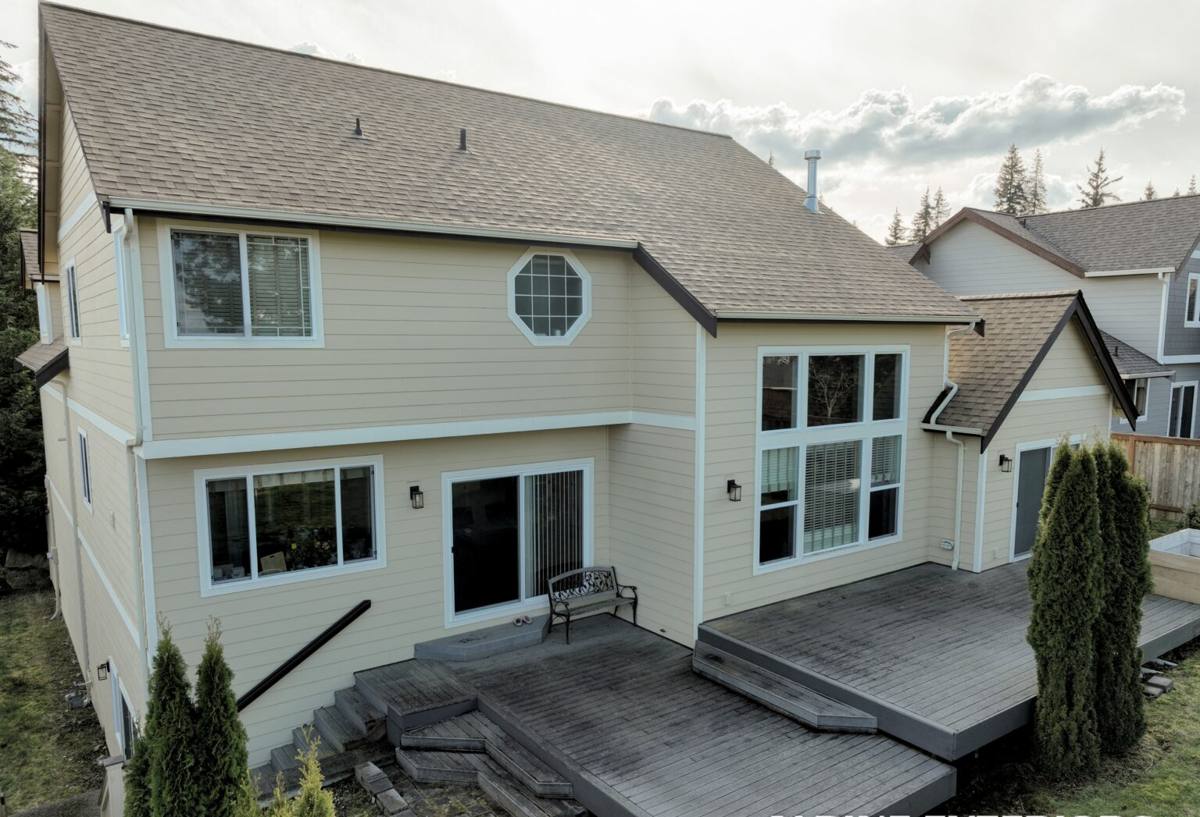
What Pinellas County Weather Does to a Deck Over Time
If you've lived in the Tampa Bay area for any length of time, you already know the pattern: brutal midday sun for most of the year, afternoon thunderstorms that dump water fast, and wind events that range from routine gusts to genuine hurricane force. Each of these does something different to a deck.
- UV exposure breaks down surface fibers and pigments over time, which is why cheap composite boards fade, chalk, or go brittle at the surface within a few seasons.
- Wind-driven rain gets pushed sideways and up under boards and railings, finding any gap in flashing, fastening, or board spacing.
- Humidity keeps the underside of a deck damp far longer than in drier climates, which is exactly where wood rot and hidden corrosion start.
- Hurricane-force wind loads railings, ledger boards, and fastener connections in ways ordinary use never does — this is where a correctly built substructure earns its keep.
None of this means composite decking is a "set it and forget it" material. It means the installation details — substructure, fasteners, drainage, and board spacing — carry more weight here than the brand name on the board.
Composite vs. Other Decking Materials for This Area
We get asked regularly why we lean toward capped composite for Westchase-area projects instead of pressure-treated wood or other options. It comes down to how each material behaves under sustained heat, humidity, and rain — not brand preference.
| Material | How it handles this climate | Ongoing upkeep |
|---|---|---|
| Pressure-treated wood | Absorbs moisture, swells and shrinks with humidity cycles, prone to splintering and rot at ground contact and fastener points | Annual sealing/staining, regular inspection for soft spots |
| Uncapped composite | Better than wood but the exposed surface can still absorb moisture and fade under constant UV | Periodic cleaning, more prone to staining and mold in shaded, humid spots |
| Capped composite | A protective polymer shell resists moisture absorption, staining, and UV fading much better through repeated wet-dry cycles | Routine washing, no staining or sealing required |
| PVC/vinyl decking | Fully synthetic, excellent moisture resistance, but can expand/contract more with heat and needs correct gapping | Low maintenance, occasional cleaning |
We install capped composite as our standard recommendation for most Westchase-area decks because it strikes the right balance of moisture resistance, appearance, and long-term durability without the maintenance burden of wood. We'll walk through PVC as an option too, depending on your budget and how the deck will be used, but we're honest that every material has trade-offs — we'd rather tell you those upfront than oversell a product.
What a Correct Composite Deck Installation Actually Involves
The Substructure Comes First
The composite boards get all the attention, but the framing underneath is what determines whether the deck survives its first serious storm season. In this climate, we treat the substructure as the priority:
- Pressure-treated or composite-compatible framing lumber, properly spaced to manufacturer specs for the board being installed
- Corrosion-resistant, coastal-rated fasteners and joist hardware — standard hardware corrodes faster in humid, salt-influenced air
- A ledger board attachment that's properly flashed and bolted, not just nailed, since this connection takes the brunt of wind and structural load
- Joist spacing tightened where needed for angled or picture-frame board layouts, which some composite lines require
Drainage and Airflow Underneath
Standing water and trapped humidity under a deck is where problems start, even with composite boards on top. We grade and gap the substructure to let water move off the site and let air circulate underneath, rather than pooling against ledger boards or support posts.
Board Spacing for Heat Expansion
Composite boards expand and contract with temperature swings more than most homeowners expect, and Florida's heat makes this a real factor, not a theoretical one. Gapping boards correctly at installation — following the manufacturer's spec for the specific product and expected temperature range — prevents buckling, popped fasteners, and uneven joints down the road.
Hidden Fastening and Edge Treatment
Most quality composite systems use hidden fastener clips rather than face screws, which gives a cleaner look and avoids creating water entry points at every screw head. Edges, stair stringers, and railing posts get finished with matching trim and properly flashed where they meet the house.
Our Process for a Westchase Composite Deck
- On-site assessment — we look at the existing structure (if there is one), grading, drainage, and sun/wind exposure specific to your lot.
- Material walkthrough — we go over composite board options, railing systems, and realistic cost ranges based on size and complexity, no pressure to upsell.
- Permitting — deck work typically requires a permit; we handle that process rather than leaving it to the homeowner.
- Substructure build or reinforcement — framing, fastener hardware, and ledger attachment built to hold up to wind and moisture exposure, not just minimum code.
- Composite installation — boards, hidden fasteners, trim, and railing installed with correct spacing and drainage in mind.
- Final walkthrough — we check board alignment, railing stability, and fastening before calling the job done.
Cost Factors on a Composite Deck Project
Composite decking costs more upfront than pressure-treated wood, but the comparison isn't apples to apples once you factor in wood's ongoing sealing, staining, and repair costs over a similar lifespan. What actually moves the price on a given project comes down to a handful of factors:
| Factor | Why it affects cost |
|---|---|
| Composite board tier | Entry-level capped composite vs. premium multi-tone or PVC boards varies significantly per square foot |
| Substructure condition | Replacing or reinforcing an old or undersized frame adds labor and material beyond the surface decking |
| Deck size and shape | Multi-level decks, angled layouts, and picture-framed borders take more cutting, fastening, and time |
| Railing system | Composite or aluminum railing costs more than basic wood but matches the low-maintenance goal of composite decking |
| Site access and height | Elevated decks or difficult lot access increase labor time |
We give straightforward, itemized pricing so you can see what's driving the number, rather than a single lump sum that hides where the money is going.
Maintenance: What Composite Actually Needs Here
Composite decking's biggest selling point is reduced maintenance, but "reduced" isn't "none," especially in a humid coastal climate. A realistic maintenance routine looks like:
- Periodic washing with mild soap and water to prevent pollen, mold, or algae buildup in shaded or low-airflow areas
- Keeping planters, grills, and furniture legs from trapping moisture against the board surface
- Clearing debris from between boards and around drainage points, especially after storm season
- Checking railing posts and stair connections annually for looseness after wind events
This is a fraction of what a wood deck demands, but skipping it entirely in this climate still shortens the life of even a good composite deck.
Problems We Commonly See from Rushed or Out-of-Town Installs
A lot of the repair calls we get on composite decks trace back to installation shortcuts rather than the material itself: fasteners not rated for coastal humidity that corrode early, boards installed without proper expansion gaps that buckle in summer heat, ledger connections that weren't flashed correctly and let water into the house rim joist, or substructure spacing that didn't match the specific board's requirements. These aren't defects in composite decking as a product — they're the result of installers treating it like a drop-in replacement for wood without adjusting for how it actually behaves.
Why a Crew That Works Westchase Regularly Matters
A contractor who works this specific area sees the same conditions repeat project after project — the same grading challenges, the same drainage patterns, the same wind exposure that comes with being in this part of Pinellas County. That familiarity shows up in decisions that aren't obvious from a spec sheet: how tight to gap boards for the local temperature swing, which fastener grade actually holds up, where a deck needs extra bracing based on its orientation. It also means someone who knows the local permitting process and inspection expectations, so the project doesn't stall waiting on paperwork.
What to Check Before Hiring a Decking Contractor
- Do they specify hidden fasteners and coastal-rated hardware, or just "composite boards" with no detail?
- Will they show you the substructure plan, not just the finished board color?
- Do they pull permits and handle inspections as part of the job?
- Can they explain board spacing and expansion gaps specific to the product they're recommending?
- Do they give an itemized estimate you can actually compare against another bid?
If you're considering a composite deck for your Westchase-area home, we're happy to walk the site, talk through material options, and give you a straightforward, no-pressure estimate — just fill out the form below.