 Oldsmar Siding
 Windows Built for Dunedin's Climate, Not Just the Showroom
Dunedin sits close enough to the water that homes here take a different kind of beating than houses twenty miles inland. Salt-laden air moves off the Gulf and St. Joseph Sound, sun exposure runs close to year-round, and summer storms bring wind-driven rain that finds every weak seam in a window frame. If you've owned a home in this part of Pinellas County for more than a few years, you've probably already noticed the signs: foggy glass, swollen frames that stick, sashes that won't stay up, or a draft you can feel standing near the window on a windy day.
Window replacement in this area isn't just a cosmetic upgrade. Done right, it's a structural and energy decision that affects how well your home handles wind pressure, keeps water out during a squall, and holds up against UV and salt exposure without needing constant attention. Done wrong — or done with the wrong product for this climate — it becomes a recurring maintenance headache.
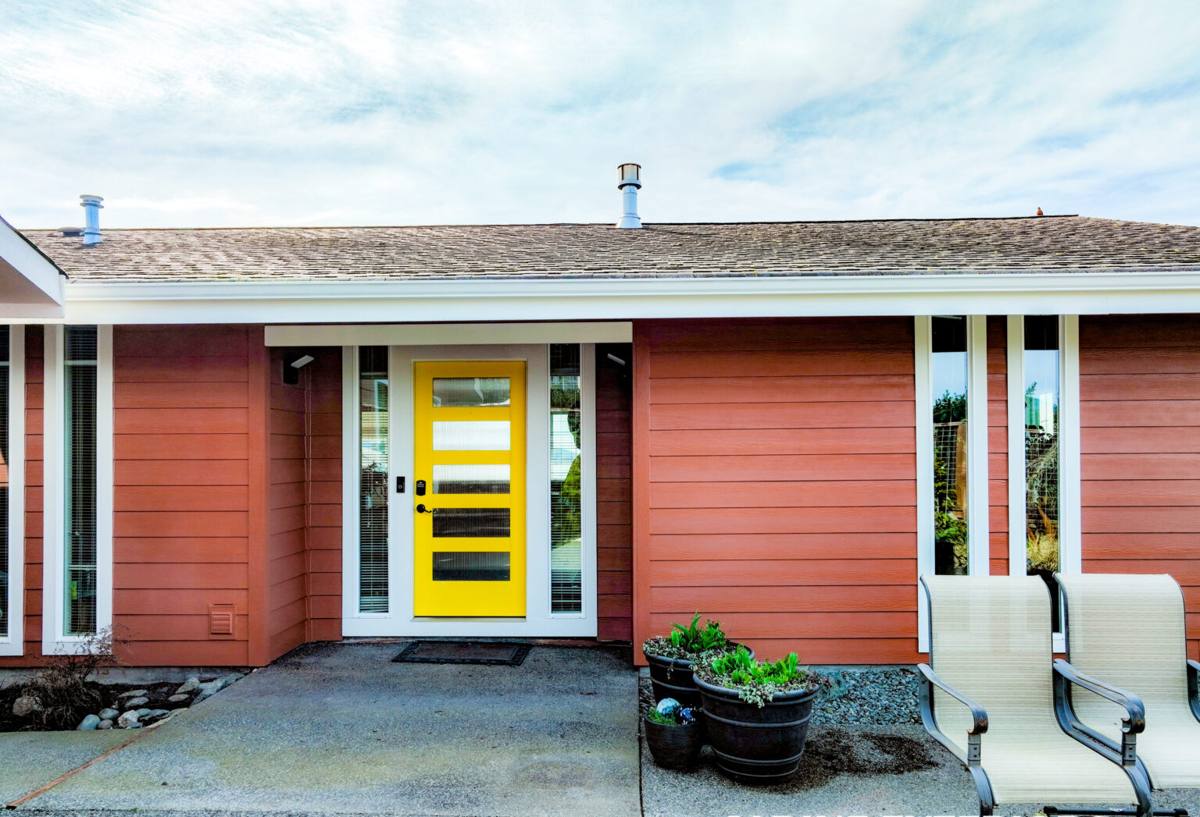
What Dunedin Homes Actually Need From Replacement Windows
Wind and Impact Resistance
Pinellas County falls within Florida's High-Velocity Hurricane Zone influence area, and most jurisdictions here require windows to meet Florida Building Code wind-load and impact standards for coastal exposure. That means the frame, the glass, and the installation anchoring all have to work together as a system. A window that's rated for impact but installed with the wrong fasteners or insufficient sealant is still a weak point in the wall.
Moisture and Salt Air
Salt air accelerates corrosion on hardware, fasteners, and lesser-grade metal components. It also finds its way into poorly sealed frame joints and starts breaking down materials from the inside, long before you'd notice anything from outside the house. This is why we pay close attention to frame material, hardware coatings, and sealant quality — not just the glass package.
UV Exposure
Florida sun is hard on window frames, seals, and interior finishes alike. Cheaper vinyl can chalk, warp, or discolor years before it should. UV also degrades glass seals over time, which is one of the leading causes of the foggy, moisture-fogged double-pane windows you'll see in older Dunedin homes.
Signs It's Time to Replace, Not Repair
- Fog or moisture trapped between panes — the seal has failed and can't be restored
- Frames that are soft, swollen, or show wood rot at the corners
- Windows that won't stay open, won't latch, or are difficult to operate
- Noticeable drafts or a rise in cooling costs during peak summer months
- Visible daylight or gaps around the frame when the window is closed
- Windows that predate current Florida Building Code wind and impact requirements
- Frequent condensation on the inside of the glass, especially with the AC running
If you're only seeing one or two of these and the frame itself is sound, a repair or reseal may be worth considering first. We'll tell you honestly if that's the case — replacement isn't always the right call for every window on the house.
Frame Materials: What Holds Up Here and What Doesn't
| Material | How It Handles Salt Air & UV | Maintenance | Typical Fit for Dunedin |
|---|---|---|---|
| Vinyl (quality-grade, UV-stabilized) | Resists corrosion; UV-stable formulas hold color and rigidity | Low — occasional cleaning | Strong all-around choice for most homes |
| Aluminum (coastal-rated, coated) | Good strength for impact frames, but needs quality coatings to resist salt corrosion | Moderate — watch hardware and coating wear | Common in impact-rated and older Florida homes |
| Wood / wood-clad | Vulnerable to moisture and rot without diligent upkeep | High — painting, sealing, inspection | Better suited to sheltered, non-coastal settings |
| Fiberglass | Very stable in heat and humidity; resists warping and corrosion | Low | Excellent, higher upfront cost |
We don't push one material on every job. The right choice depends on your home's exposure, your budget, and how the window is used — a shaded side window facing an interior courtyard doesn't need the same spec as a west-facing window catching afternoon sun and storm winds off the water.
Glass Packages That Matter in This Climate
Impact-Rated Laminated Glass
Laminated glass with a rated frame is the standard for wind-borne debris protection in coastal Pinellas County. It also adds a real layer of security and cuts down outside noise, which is a common side benefit homeowners notice after installation.
Low-E Coatings
Low-emissivity coatings reduce how much heat transfers through the glass, which matters when your AC is running most of the year. This shows up as a noticeably cooler room near the window and, over time, a lighter cooling load.
Insulated (Double-Pane) Construction
Argon or air-filled insulated glass units cut down on heat transfer and condensation compared to older single-pane windows. Combined with a quality frame seal, this is what actually stops the "hot spot near the window" feeling in a lot of older homes.
What a Correct Installation Actually Involves
The window unit itself is only part of the job. Most of the failures we see in this area — leaks, drafts, soft framing — trace back to installation shortcuts, not bad windows. A correct job includes:
- Removing the old window down to the rough opening and checking the framing underneath for hidden rot or water damage
- Repairing or rebuilding any compromised framing before the new unit goes in
- Properly flashing and sealing the opening so wind-driven rain can't track behind the frame
- Anchoring the window per manufacturer and code requirements for the wind-load rating specified
- Sealing and insulating the gap between the frame and rough opening — not just caulking the exterior trim
- Verifying proper operation, drainage, and weep paths before calling the job finished
Skipping the framing inspection is one of the most common shortcuts in this trade, and it's exactly how a new window ends up leaking within a year or two.
Our Process for Dunedin Window Replacement
1. On-Site Assessment
We look at each window individually — sun exposure, current condition, framing, and how the house is oriented relative to prevailing wind and rain. Not every window on a home needs the same solution.
2. Straightforward Proposal
You get a clear breakdown of frame material, glass package, and what's involved in the installation, with reasoning for the recommendation — not just a single quoted number with no explanation.
3. Permitting and Code Compliance
Window replacement in this part of Pinellas County typically requires permitting and inspection, especially for impact-rated units. We handle that process so the finished work is documented and code-compliant.
4. Installation and Cleanup
We work efficiently to minimize how long openings sit exposed, protect interior and exterior finishes during the work, and clean up the site fully once installation is complete.
5. Final Walkthrough
We check operation, seals, and finish on every window with you before considering the job done.
Cost Factors Homeowners Should Understand
| Factor | Why It Affects Cost |
|---|---|
| Frame material | Vinyl, aluminum, and fiberglass carry different material and fabrication costs |
| Impact rating | Impact-rated laminated glass and reinforced frames cost more than standard units |
| Window size and style | Larger openings, custom shapes, and specialty operating styles (casement, sliding, picture) vary in price |
| Framing condition | Hidden rot or water damage found during removal adds repair work before the new window goes in |
| Number of openings | Whole-house replacement typically brings a better per-window cost than one-off replacements |
| Permitting requirements | Impact-rated replacements generally require permits and inspection, which adds to project scope |
We don't quote sight-unseen over the phone for this reason — the framing condition alone can change the scope of the job once we're actually looking at the opening.
Why Local Experience in This Area Matters
A contractor who regularly works in Dunedin and the broader Oldsmar area already understands the wind-load requirements, permitting expectations, and the specific wear patterns that salt air and coastal storms cause on window frames and seals. That's different from a crew that mostly works inland and treats every job the same way. It also means we're positioned to stand behind the work if a warranty question or adjustment comes up down the road — we're not driving in from somewhere else for a one-time job.
If your windows in Dunedin are fogging, sticking, drafting, or just overdue for an upgrade, we're happy to take a look and give you a straight assessment — no pressure, no inflated urgency. Request a free estimate below and we'll walk the property with you and talk through what actually makes sense for your home.