 Oldsmar Siding
 Why Windows Take a Beating in the Lutz Area
Homes in and around Lutz deal with a demanding mix of weather almost every month of the year. Summer brings long stretches of intense, direct UV exposure that breaks down seals, glazing compounds, and vinyl frames faster than most homeowners expect. Storm season adds wind-driven rain that finds its way through any gap in flashing or caulk, and the humid, salt-influenced air common across the greater Tampa Bay region accelerates corrosion on hardware, hinges, and metal components that aren't rated for it. None of this is unique to any one house — it's the baseline every window on a Lutz property has to survive, year after year.
Older single-pane or early dual-pane windows were rarely built with this combination of stresses in mind. Over time you end up with fogged glass, warped frames, drafts around the sash, and cooling bills that creep up even when the AC is running properly. Replacing those windows with correctly specified, correctly installed energy-efficient units addresses both problems at once: comfort inside the house and durability against the climate outside it.
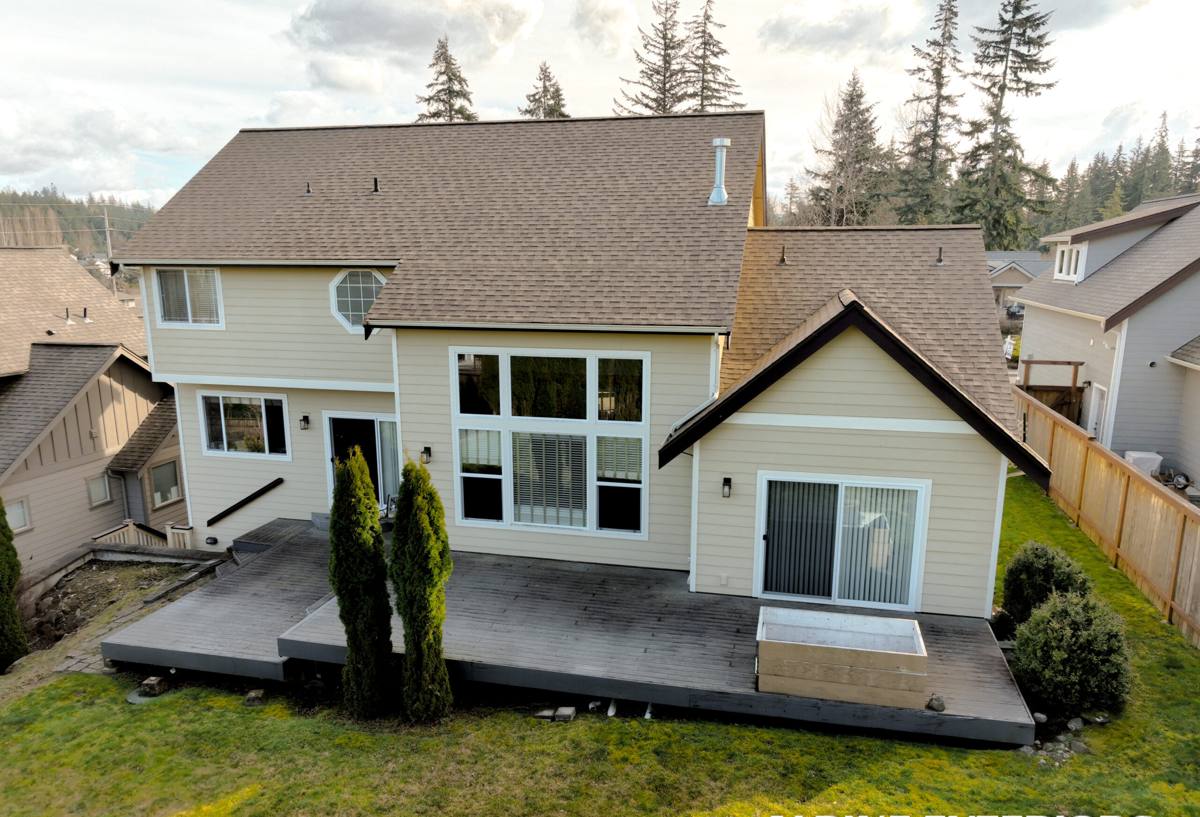
What "Energy-Efficient" Actually Means for This Climate
Energy-efficient windows aren't a single product — they're a combination of glass, frame, and installation choices tuned to the specific climate load a home faces. For Lutz-area homes, that means prioritizing heat rejection and wind performance over the insulation-heavy specs you'd see in a northern climate guide.
Low-E Coatings and Solar Heat Gain Coefficient
The single biggest factor in a Florida window's real-world performance is its Solar Heat Gain Coefficient (SHGC) — how much of the sun's heat passes through the glass into the house. A low-E coating reflects infrared heat back outside while still letting visible light in, which keeps rooms cooler without making them dark. For this region, we generally look for a lower SHGC rating paired with a U-factor that still keeps conditioned air from leaking out during the handful of cooler months.
Impact-Rated Glass and Frames
Impact-rated windows use laminated glass bonded to a plastic interlayer, so the glass can crack under wind-borne debris without opening a hole in the wall. This matters for two reasons beyond storm protection: impact glass is also excellent at blocking UV and reducing noise, and in many cases it can replace the need for separate shutters, which is worth factoring into the overall cost picture.
Frame Material
Vinyl, aluminum, and fiberglass all perform differently in heat and salt air. Vinyl handles humidity well and won't corrode, but lower-grade vinyl can warp under sustained direct sun exposure. Aluminum is strong but conducts heat, which works against energy efficiency unless it has a thermal break. Fiberglass holds up well to UV and temperature swings but costs more upfront. We'll walk through the honest trade-offs for your specific exposure — a west-facing wall that takes afternoon sun all day has different needs than a shaded, protected side of the house.
What a Correct Installation Actually Involves
The window itself is only part of the equation. Most of the water intrusion and energy loss problems we see in this area trace back to installation shortcuts, not the product. A correct job includes several steps that are easy to skip and hard to inspect once the trim is back on.
Removal and Rough Opening Prep
Old windows come out carefully so we can inspect the rough opening for hidden rot, prior water damage, or framing that's out of square. Any of these issues get addressed before a new window goes in — installing a new unit into a compromised opening just locks the problem behind new trim.
Flashing and Water Management
Proper flashing directs any water that gets past the exterior surface back out and away from the wall assembly, rather than letting it collect at the sill. This is one of the most commonly rushed steps in window replacement, and it's the one most responsible for slow leaks that show up as stains or soft drywall months later.
Sealing and Fastening to Wind Code
Fasteners, shims, and sealant all need to match the window manufacturer's installation instructions and the local wind zone requirements — not a generic approach. Under-fastening a window undermines its wind rating no matter how good the glass is, and over-sealing without proper drainage paths can trap moisture instead of shedding it.
Installation Checklist We Follow on Every Job
- Inspect rough opening for rot, moisture, or framing issues before setting the new window
- Confirm the window's wind and impact rating matches the home's exposure and local code
- Install flashing and drainage per manufacturer specification, not just caulk over gaps
- Fasten per the manufacturer's tested schedule, not a generalized shortcut
- Seal the interior and exterior separately, preserving a drainage path at the sill
- Test operation, drainage, and seal integrity before calling the job finished
- Clean up debris and old materials, including proper disposal of old glass and frames
Comparing Window Options for Lutz-Area Homes
There's no single "best" window for every house — the right choice depends on sun exposure, whether the home needs impact protection instead of shutters, and budget. Here's a general comparison to frame the conversation, not a quote.
| Option | Best For | Trade-Offs |
|---|---|---|
| Impact-rated vinyl frame | Most homes wanting storm protection without shutters | Higher upfront cost than standard vinyl; strong long-term value |
| Standard dual-pane vinyl (non-impact) | Budget-focused replacements paired with separate shutters | Requires shutter installation/storage for storm prep |
| Fiberglass frame | West/south-facing walls with heavy direct sun | Higher material cost; excellent UV and heat stability |
| Aluminum with thermal break | Larger openings, sliders, and modern architectural styles | Needs a genuine thermal break to avoid heat transfer |
Our Process, Start to Finish
We keep the process straightforward because homeowners are usually juggling a busy household or business around the work, not managing a construction project.
- Walkthrough and measurement: We look at every window being replaced, note sun exposure and current condition, and measure precisely — factory-cut windows depend on accurate openings.
- Honest recommendation: We explain which glass and frame options fit your specific exposure and budget, including where a lower-cost option is genuinely fine and where it isn't.
- Written estimate: Clear scope, materials, and timeline before anything is ordered.
- Installation: Careful removal, opening inspection, flashing, setting, and sealing — done to manufacturer spec and local code, not a shortcut version.
- Final walkthrough: We test operation and seals with you before considering the job done.
Signs Your Current Windows Are Already Costing You Money
- Visible fogging or moisture between panes (a failed seal, not fixable — the unit needs replacing)
- Air movement or drafts you can feel near the frame when the AC is running
- Frames that are warped, chalky, or soft to the touch
- Difficulty opening, closing, or locking a window that used to operate smoothly
- A noticeable jump in cooling costs without any other explanation
- Condensation on the inside of the glass during humid stretches
Why Local Experience in This Area Matters
A crew that regularly works homes in the Lutz and greater Tampa Bay area already knows how the local sun angle, humidity, and storm exposure interact with different products — which reduces guesswork on your project. We're based out of Oldsmar and work throughout Pinellas and the surrounding counties, so we're familiar with the inspection expectations and wind-load requirements that apply across this part of Florida, not just a single jurisdiction's rules. That familiarity shows up in small decisions — how a specific window model tends to hold up on a west-facing wall, which sealants actually last through a full summer, how to sequence work around Florida's rainy season — that a crew unfamiliar with the region wouldn't think to flag.
Permits and Wind Ratings: What to Expect
Window replacement in this part of Florida is generally subject to local permitting and wind-load requirements tied to the home's location and exposure category. Products need to carry the appropriate approvals for the wind zone they're installed in, and installation has to follow the manufacturer's tested fastening schedule to keep that rating valid. We handle the permitting and documentation as part of the job so you're not left tracking down paperwork after the fact, and we won't install a product that doesn't carry the approval your home actually requires — even if a cheaper, unrated alternative is available.
Budgeting for Window Replacement
Costs vary widely based on window count, size, glass type, and whether impact ratings are involved, so we won't put a number here that wouldn't reflect your actual project. In general, impact-rated glass costs more upfront than standard dual-pane but can offset that over time by removing the need for shutters and reducing UV-related fading and cooling load inside the house. The most useful way to budget is a walkthrough estimate specific to your windows, sun exposure, and goals — which is also the only way to give you a number we'd actually stand behind.
If your windows in the Lutz area are drafty, fogged, hard to operate, or just old enough that you're wondering whether it's time, we're happy to take a look. The estimate is free, there's no pressure to commit on the spot, and you'll get a straight answer about what your home actually needs — use the form below to get started.