 Oldsmar Siding
 Board & Batten in Westchase: A Look That Has to Work as Hard as It Looks Good
Board and batten siding shows up a lot in and around Westchase — on Craftsman-style facades, modern farmhouse remodels, and as an accent on gables and porch fronts next to lap siding. The vertical lines and raised battens give a home real architectural depth that flat lap siding can't match. But board and batten is also one of the least forgiving siding styles to get wrong, because every seam, batten, and fastener is doing double duty: holding up under Tampa Bay-area wind and sun while still looking clean up close.
This page is about that one job, done right, for homes in the Westchase area. We're not going to sell you on board and batten in general — we're going to explain what it takes to install it correctly on a home that sits under Pinellas County's wind load requirements and full-sun exposure, and why we only do it with James Hardie fiber cement.
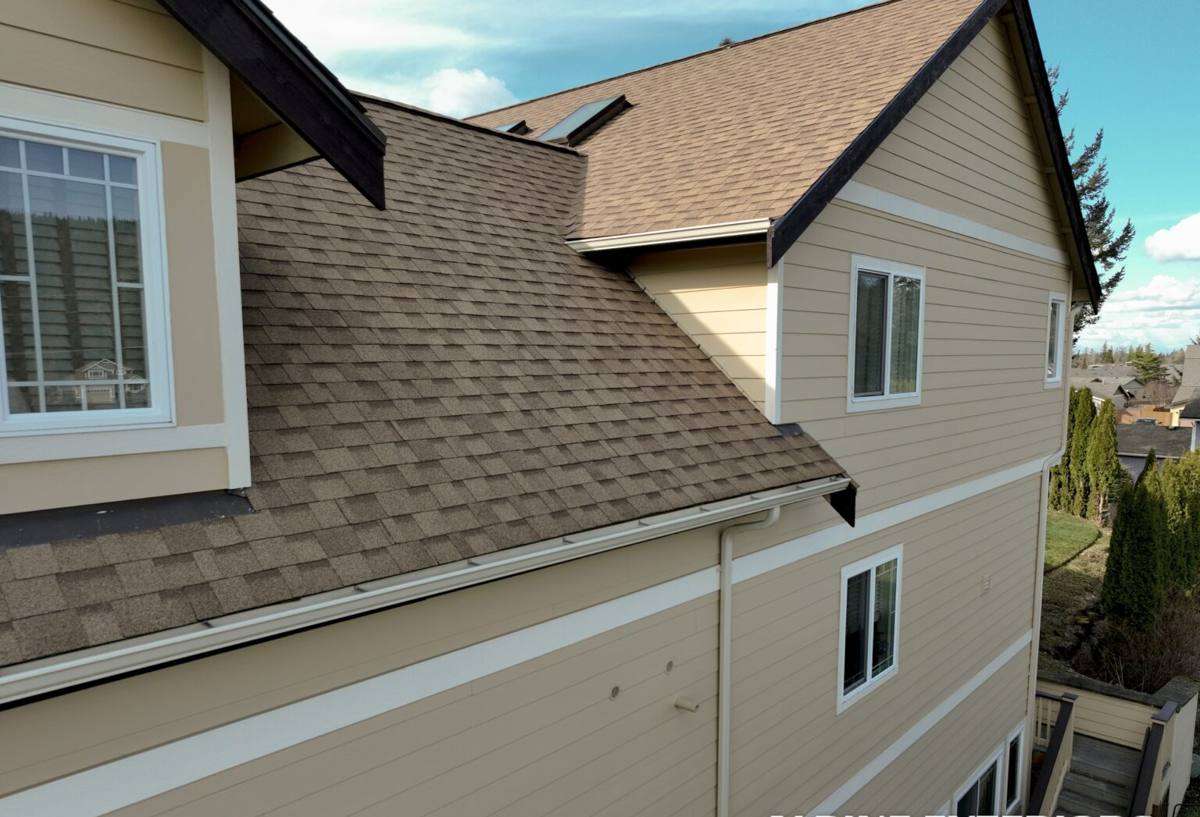
What Westchase's Climate Actually Does to Vertical Siding
Board and batten siding has more vertical seams and more raised trim than horizontal lap siding, and every one of those details is a place where weather can find a way in if it isn't detailed correctly. A few things matter more here than in most parts of the country:
- Hurricane-force wind: Vertical boards and battens catch wind loading differently than horizontal lap. Fastener spacing and battten attachment have to be built for uplift, not just aesthetics.
- Wind-driven rain: Storms here don't just fall — they drive sideways into vertical seams and batten joints. Flashing and water-resistive barrier detailing behind the siding matters as much as the visible finish.
- Intense, near year-round UV: Florida sun is hard on paint film and on any wood-based product. Board and batten's flat board faces catch full sun exposure directly, which shows up as fading and chalking faster on lower-grade materials.
- Salt air: Even set back from the immediate coast, the greater Tampa Bay area sees salt-laden air that accelerates corrosion on fasteners and metal trim over time.
None of that means board and batten is a bad choice for a Westchase home — it means the material and the installation both have to be built for these conditions, not just for how the elevation looks in a rendering.
Why Board & Batten Construction Is Different From Lap Siding
Board and batten isn't just lap siding turned sideways. The assembly is fundamentally different, and that changes what "correct installation" means:
More seams, more decisions
Vertical panel joints and batten-to-panel overlaps create more places where two pieces of material meet than a horizontal lap profile does. Each of those joints needs proper overlap, sealant where called for, and fastening that won't work loose under wind cycling.
Batten spacing and fastening
Battens are typically spaced on a layout that follows the home's window and door rhythm, then face-nailed or blind-nailed per the manufacturer's engineering — not just "eyeballed" for even spacing. Fastener type, length, and embedment all change based on wind zone and substrate.
Drainage behind the panel
Because board and batten often reads as a flatter, more monolithic wall plane, it's tempting to skip a proper drainage gap. That's a mistake in a climate with this much wind-driven rain — any moisture that gets behind the panel needs somewhere to go.
Why We Don't Build This Look Out of Wood, LP, or Vinyl
Board and batten has roots in real wood construction, and a lot of homeowners assume that's still the default. It's worth being straight about the trade-offs of the common alternatives:
Real wood
Solid wood boards and battens look authentic, but wood is dimensionally unstable and moisture-absorbent. In a humid, storm-prone climate, that means more frequent repainting, higher risk of rot at end grain and fastener points, and shorter service life than most homeowners expect for the cost.
LP SmartSide
LP's engineered wood products use an OSB-based substrate with a resin-saturated strand overlay. It performs reasonably in dry climates, but any wood-strand product is more sensitive to sustained moisture exposure than fiber cement — and board and batten's extra seams are exactly where sustained moisture exposure happens if flashing details aren't perfect for the life of the product.
Vinyl board and batten panels
Vinyl versions of this look exist, but vinyl is a thin extruded plastic that expands and contracts significantly with heat, can warp or fade under constant direct sun, and doesn't hold up structurally in high wind the way a heavier, mechanically fastened board profile does. It also can't be painted to refresh the color once it fades.
Why we standardized on James Hardie fiber cement
Fiber cement doesn't rot, isn't a fuel source, holds paint and factory finish far longer under UV exposure than wood or vinyl, and is engineered and tested for high-wind regions. That combination is why it's the only material we use for board and batten work in this market — including on the homes we work on around Westchase.
James Hardie Board & Batten Options
James Hardie doesn't make a single "board and batten" product — the look is built from a combination of their panel and trim systems, chosen and detailed for the specific home:
- HardiePanel Vertical Siding: Large-format fiber cement panels installed vertically as the "board," with HardieTrim battens fastened over the panel joints on the layout you see in classic board and batten work.
- Hardie Artisan Collection: A premium, thicker-profile lap and panel line for homes where a more refined, deeper-shadow-line look is the goal — often used on accent walls or full elevations where detail matters up close.
- HardieTrim boards: Used for the battens themselves, sized and spaced to the home's proportions rather than a generic default.
- ColorPlus Technology finish: A factory-applied, baked-on finish available across these product lines, which resists the fading and chalking that Florida sun causes on field-painted materials.
Which combination makes sense depends on the home's existing elevation, whether board and batten is going on the whole house or as an accent, and the home's exposure — we walk through that on-site rather than assuming one answer fits every Westchase home.
Our Installation Process
- Assessment and layout: We measure the elevation, plan batten spacing around windows, doors, and corners so the pattern reads intentionally rather than getting cut off awkwardly at the edges.
- Substrate check and repair: Any water damage, soft sheathing, or old flashing issues get addressed before new siding goes on — covering a problem is how call-backs happen.
- Water-resistive barrier and drainage plane: A proper WRB and drainage gap go in behind the panels so any moisture that reaches the wall assembly has a path out, instead of sitting against the sheathing.
- Panel installation: HardiePanel is fastened per James Hardie's published fastening schedule for the applicable wind zone — not a generic nailing pattern.
- Batten installation: Battens are set over the panel joints and fastened into structural framing where required, at the spacing engineered for wind performance, not just visual spacing.
- Flashing and sealant at penetrations: Windows, doors, hose bibs, light fixtures, and any other penetration get flashed and sealed correctly — these are the highest-risk spots for wind-driven rain intrusion.
- Finish and touch-up: Factory-finished ColorPlus surfaces get inspected and touched up with matched product at cut ends and fastener heads.
Wind Zone and Permitting for the Westchase Area
Pinellas County enforces wind-load and fastening requirements tied to the Florida Building Code, and siding replacement typically requires a permit. Board and batten's added fastener count and batten attachment points actually work in a homeowner's favor here when installed correctly, since a properly engineered assembly is built to hold up under the same wind speeds the code is written around. A crew that pulls permits and inspects to code in this county already knows the fastening schedules, flashing requirements, and inspection expectations without treating every job as a first attempt at Florida wind compliance.
Comparing Board & Batten Material Options
| Factor | James Hardie Fiber Cement | Real Wood | LP SmartSide | Vinyl Panels |
|---|---|---|---|---|
| Moisture/rot resistance | Not organic, doesn't rot | Absorbs moisture, rot-prone | Wood-strand substrate, moisture-sensitive | Won't rot, but seals can trap moisture |
| Wind performance | Engineered and tested for high-wind zones | Depends on fastening, degrades over time | Rated but substrate weakens if exposed | Prone to cracking/blow-off in gusts |
| UV/fade resistance | ColorPlus factory finish resists fading | Field paint fades, needs recoating | Field or factory finish, moderate fade | Fades and can become brittle over time |
| Salt air durability | Non-corrosive substrate | Fasteners and finish degrade faster | Moderate | Panel itself holds up; fasteners still corrode |
| Maintenance | Occasional wash, no repainting for finish life | Regular repainting/sealing | Periodic repainting and joint checks | Washing only, but can't be refinished |
| Fire performance | Non-combustible | Combustible | Combustible | Combustible |
What Correct Board & Batten Installation Should Include
- Batten layout planned around windows, doors, and corners before the first panel goes up
- Water-resistive barrier and drainage gap installed behind the panels
- Fastening schedule matched to the home's wind zone, not a default pattern
- Battens fastened into framing where the assembly requires it, not just into the panel face
- Flashing and sealant detailed at every window, door, and wall penetration
- Factory-finished panels and trim from the same product line for consistent color and texture
- A final walk-through inspection of seams, corners, and fastener touch-ups before the crew leaves
Maintenance for Westchase Homeowners
Board and batten with James Hardie and ColorPlus finish is low-maintenance, not no-maintenance. A simple annual routine keeps it performing:
- Rinse the exterior with a garden hose or low-pressure wash to clear salt residue and pollen buildup
- Walk the elevation after major storms and check for loose battens, damaged trim, or opened caulk joints
- Keep sprinklers and irrigation heads from spraying directly on the siding, which accelerates mineral buildup
- Have caulk joints at windows, doors, and penetrations inspected every few years and refreshed if they've cracked or pulled away
Why Local Board & Batten Experience in Westchase Matters
Board and batten is unforgiving of guesswork — a crew that's mostly done lap siding can still get batten spacing, fastening, and flashing wrong on their first few attempts. A crew that already works homes in and around Westchase and the broader Oldsmar area has already worked through the local wind requirements, the permitting process with Pinellas County, and the practical realities of installing over existing wall assemblies common to this area. That experience shows up in cleaner batten lines, tighter flashing details, and fewer surprises once the job is underway.
If you're considering board and batten siding for a home in the Westchase area, we're happy to walk the exterior with you, talk through where it makes sense on your elevation, and put together a free, no-pressure estimate — no obligation, just a straight answer on what the job actually involves.