 Oldsmar Siding
 Metal Roofing for the Tampa Side of Oldsmar
Oldsmar sits right at the edge of the greater Tampa Bay area, close enough to open water that homes here take a different kind of beating than roofs even twenty miles inland. If you're looking at metal roofing for a home in the Tampa-facing part of Oldsmar, you're already thinking about the right material — but not every metal roof install is built to actually hold up to what this specific stretch of Pinellas County throws at it. This page covers what a metal roof needs to do here, what a correct installation looks like, and how our process works for homeowners in this area.
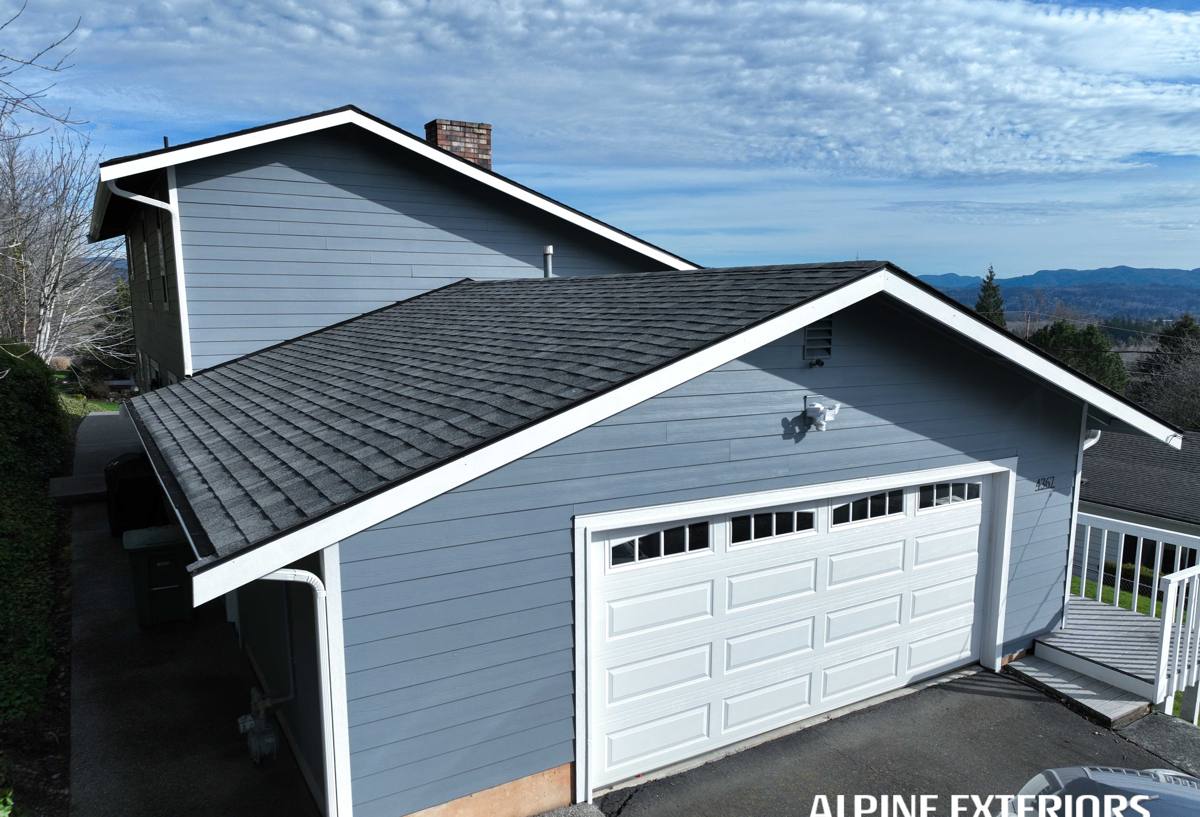
What Tampa Bay Weather Does to a Roof
Four things drive almost every roofing decision we make for homes near the bay: wind, UV, wind-driven rain, and salt air. Each one attacks a roof differently, and a roofing system that ignores any one of them will show it within a few years, not decades.
Hurricane-Force Wind
Uplift is the real enemy during a storm, not the wind pushing straight down on the roof. As wind moves across a roof plane and over the edges, it creates negative pressure that pulls panels and fasteners upward. A metal roof that isn't fastened and flashed correctly for uplift can fail at the edges and eaves first, which is exactly where storm damage tends to start.
Year-Round UV Exposure
Florida sun is intense and constant, not seasonal. UV breaks down coatings and finishes over time, which is why the paint system on a metal panel matters as much as the metal itself. A weak finish will chalk, fade, and eventually let corrosion start at the surface long before the panel itself has any structural problem.
Wind-Driven Rain
Rain that falls straight down is easy to shed. Rain that's being pushed sideways at 40-60 mph during a squall or tropical system finds its way under laps, around penetrations, and into any seam that wasn't detailed correctly. Most of the "metal roof leaks" we get called out to inspect trace back to a flashing detail, not the panels.
Salt Air
Being close to Tampa Bay means airborne salt is a constant, low-level presence even on a calm day. Salt accelerates corrosion on unprotected steel edges, exposed fasteners, and cut panel ends. It's a slow process, but it's relentless, and it's the main reason material choice and fastener choice both matter more here than they would forty miles inland.
What a Correct Metal Roof Installation Involves
A metal roof is only as good as everything underneath it. The panels get the attention, but the layers below them are what actually determine whether the roof performs in a storm and stays watertight for its full service life.
Deck Inspection and Repair
Before anything goes down, the existing roof deck needs to be checked for soft spots, delamination, and fastener holding power. Metal roofing puts different stress on a deck than asphalt shingles do, so any weak sheathing gets replaced, not covered over.
Underlayment
A synthetic or high-temperature underlayment goes down as the roof's true water barrier — the metal panels are the weather shell, but the underlayment is what protects the deck if wind-driven rain ever gets past a seam or penetration. In this climate, we don't consider underlayment optional or interchangeable with whatever is cheapest.
Fastening Pattern
Fastener spacing and type are engineered to the panel profile and the wind exposure of the specific roof, not applied on autopilot. Exposed-fastener panels and concealed-fastener (standing seam) systems have different fastening logic entirely, and getting this wrong is the single biggest cause of early wind failure.
Flashing and Penetrations
Valleys, ridges, wall transitions, and every pipe boot or vent penetration need flashing detailed for metal, not adapted from asphalt shingle practice. This is where most leaks originate, and it's the part of the job that separates a crew that does metal roofing regularly from one that mostly does shingles and takes the occasional metal job.
Choosing the Right Metal Roofing System
Not every metal roofing product is a good fit for a coastal, hurricane-exposed home. Here's how the common options compare for a house in this part of Pinellas County.
| System | Wind Performance | Salt Air Durability | Best Fit |
|---|---|---|---|
| Standing seam (concealed fasteners) | Strong — fasteners protected under the seam | High, especially with aluminum | Homes wanting maximum storm and corrosion resistance |
| Exposed-fastener panel | Good when installed and re-torqued correctly | Moderate — fasteners are the weak point over time | Budget-conscious projects, outbuildings, garages |
| Metal shingle/tile profile | Good, depends on interlock design | Moderate to high | Homeowners wanting a traditional look with metal durability |
Aluminum vs. Steel
This close to Tampa Bay, we lean toward aluminum or a quality coated steel with a proven coastal-rated finish for anyone within a few miles of open water. Aluminum doesn't rust, which takes one variable off the table entirely. Coated steel is a perfectly good option too, but the coating and edge protection matter more here than on an inland home, so we're honest with homeowners about that trade-off up front rather than letting a lower sticker price hide it.
What It Costs and What Drives the Price
Metal roofing costs more upfront than asphalt shingles, and the final number depends on more than just square footage. We'd rather walk through the real cost drivers than quote a number that doesn't hold up once we're on the roof.
| Cost Factor | Why It Matters |
|---|---|
| Panel system chosen | Standing seam runs higher than exposed-fastener panels due to material and labor complexity |
| Roof complexity | Valleys, dormers, and multiple planes add flashing work and cutting |
| Deck condition | Any sheathing repair or replacement adds to the scope before panels ever go down |
| Underlayment grade | High-temp synthetic underlayment costs more but performs better under Florida heat and storms |
| Access and roof pitch | Steep or hard-to-access roofs take longer and require more safety setup |
We're not going to publish a per-square-foot number here because it would be misleading without seeing your roof. What we can say honestly: metal is a long-term investment, and the price difference versus shingles narrows considerably once you account for how much less often it needs replacing.
Our Process on a Metal Roof Job
- On-site inspection of the existing roof, deck, and any problem areas
- Honest walkthrough of panel and finish options suited to a coastal wind exposure
- Written scope covering deck prep, underlayment, panel system, and flashing details
- Deck repair and underlayment installation before a single panel is set
- Panel installation with fastening and seam work matched to the wind exposure of your roof
- Final flashing, trim, and penetration detailing
- Walkthrough so you understand exactly what was installed and why
We don't skip the deck and underlayment steps to hit a lower price. On a roof that has to survive tropical storm season, those layers are doing as much work as the panels themselves.
Maintenance in a Salt Air Environment
Metal roofs are low-maintenance, not no-maintenance, especially this close to the water. A little attention goes a long way toward getting the full lifespan out of the system.
- Rinse the roof periodically to clear salt residue and airborne debris
- Keep gutters and valleys clear so water doesn't pool against seams
- Have fasteners on exposed-fastener systems checked and re-torqued as recommended
- Trim overhanging branches that can scratch coatings and trap moisture against panels
- Schedule a post-storm-season visual check after major hurricanes or tropical systems
Signs Your Current Roof Needs Attention
- Rust streaking at fastener heads or panel edges
- Fading or chalking finish that wasn't there a few years ago
- Loose or lifted panel edges after a windstorm
- Staining on interior ceilings near valleys, chimneys, or vent penetrations
- Visible gaps or separation at flashing around walls and roof transitions
Any one of these is worth a look before the next storm season, not after the next leak.
Why a Local Tampa Bay Crew Matters
Metal roofing installation quality varies a lot between crews, and the gap shows up most in exactly the conditions this area produces: hard wind-driven rain and hurricane gusts. A crew that already works roofs in and around Oldsmar and the Tampa side of the bay has already made the calls on fastening patterns, underlayment grade, and flashing details for this wind exposure — we're not guessing or applying a generic install method built for a calmer climate. That local, repeated experience is what keeps a metal roof performing when a named storm actually tests it, not just when it's sitting under blue skies.
If you're weighing metal roofing for a home near the Tampa side of Oldsmar, we're glad to come take a look and give you a straightforward, no-pressure estimate — just fill out the form below.