 Oldsmar Siding
 Building a Deck That's Made for Tampa, Not Just Anywhere
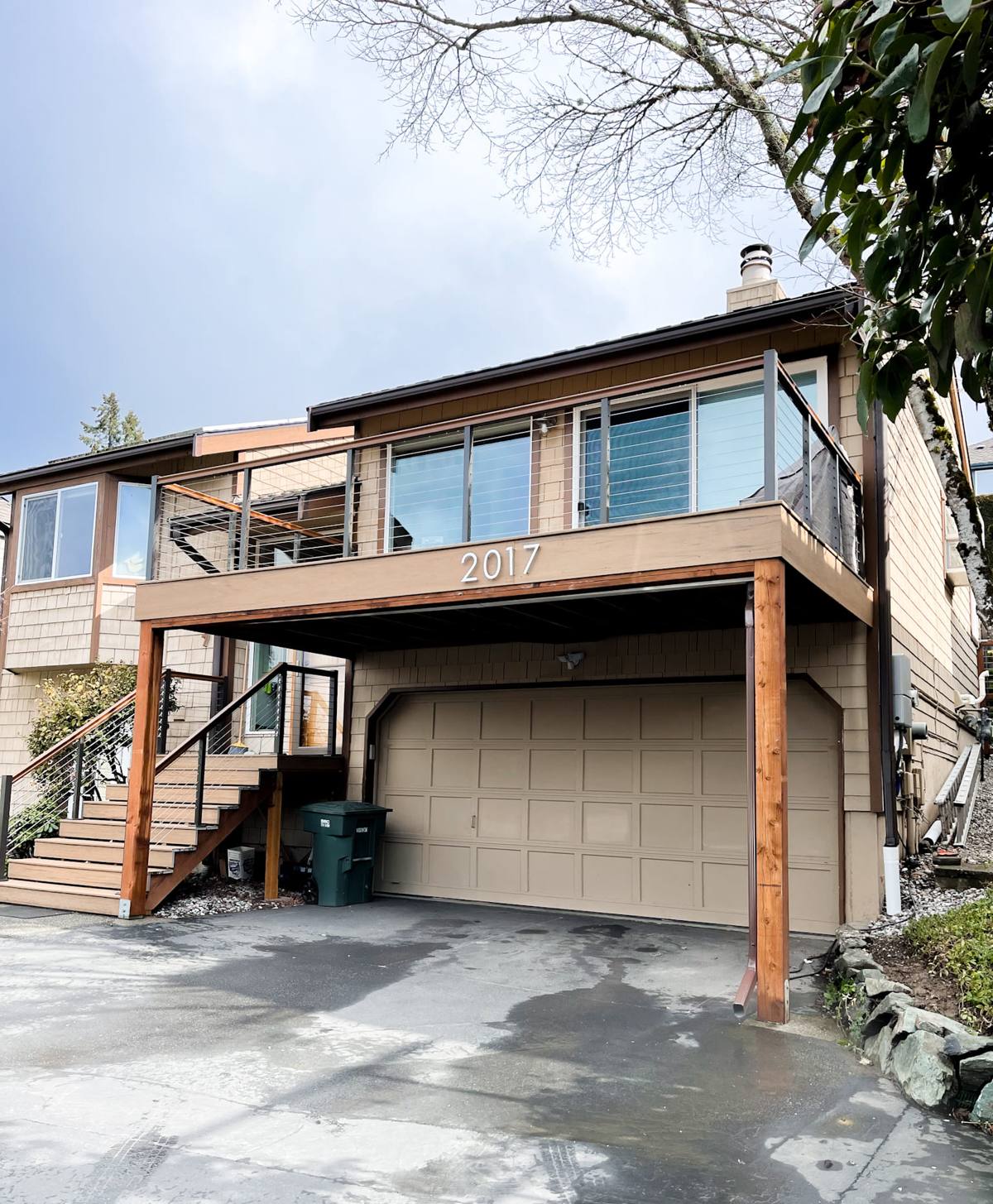
A deck built for Tampa has to survive a different set of conditions than one built for most of the country. Between the Gulf humidity, the intensity of the summer sun, salt-laden air moving in off the water, and the wind loads that come with hurricane season, a deck here earns its keep every single day. When we build custom decks for homeowners in Tampa and the surrounding Oldsmar area, we design and construct with those realities in mind from the first post hole to the final board.
This page focuses specifically on custom deck construction for Tampa properties — what the climate demands, what a correctly built deck actually involves, how our process works, and why it matters to hire a crew that already understands this part of Pinellas County and the greater Tampa Bay region.
What Tampa's Climate Actually Does to a Deck
Homeowners often assume deck failures are just age catching up with the structure. In Tampa, the bigger factor is usually climate stress compounding faster than it would elsewhere. A few specific mechanisms are worth understanding:
UV Exposure, Nearly Year-Round
Tampa gets strong, direct sun for most of the year, not just a few summer months. UV breaks down the lignin in wood fibers, fades composite color, and dries out sealants and finishes faster than manufacturers' national warranty language usually accounts for. A deck facing west or south will show this wear noticeably faster than one that's shaded part of the day.
Humidity and Wind-Driven Rain
High ambient humidity keeps moisture in framing lumber longer between rain events, which is exactly the environment that supports rot and fungal growth if the wood isn't properly treated or if drainage details are wrong. Add in wind-driven rain during storms — where water is pushed sideways and upward into joints and connections that a "normal" rain would never reach — and any gap in flashing, fastening, or board spacing becomes a moisture trap.
Salt Air
Being close enough to the Gulf and Tampa Bay to catch salt-laden air matters more for a deck than most homeowners expect. Salt accelerates corrosion in fasteners, brackets, and any exposed metal hardware. A deck built with standard interior-grade hardware can develop rust streaks and weakened connections years before a deck built with the correct corrosion-resistant fasteners.
Hurricane-Force Wind Loads
Florida building code accounts for wind uplift and lateral load for a reason. A deck attached to the house, a set of stairs, and especially any railing system all need to be engineered and fastened to resist real wind forces, not just support foot traffic on a calm day. This is where a lot of poorly built decks fail first — not the decking boards themselves, but the ledger attachment, the post connections, and the railing anchoring.
What a Correctly Built Tampa Deck Involves
A deck that's going to hold up here is built differently in a handful of specific ways, not just "built well" in a generic sense.
Ledger Attachment and Flashing
Where the deck ties into the house is the single most common source of long-term water damage and structural failure nationwide, and it's even less forgiving in a climate with this much wind-driven rain. Correct ledger flashing — installed in the right sequence relative to the house's existing weather barrier — keeps water from tracking behind the siding and into the structure.
Footings and Post Bases
Footing depth and post base hardware matter for wind uplift resistance, not just vertical load. Post bases that hold the post above the decking surface (rather than embedding wood directly in or against concrete) reduce the moisture wicking that leads to rot at the base — a common failure point on older decks in this area.
Fastener and Hardware Grade
Given the salt air exposure common to Tampa Bay properties, we treat fastener corrosion resistance as a non-negotiable spec, not an upgrade option. Stainless or coated fasteners rated for coastal exposure cost more up front and save homeowners from hardware failure and staining down the line.
Decking Material Behavior in Heat and Humidity
Every decking material — pressure-treated wood, hardwood, or composite — has real trade-offs in this climate. We walk homeowners through those trade-offs honestly rather than pushing one material as universally best.
| Material | How It Handles Tampa's Climate | Maintenance Reality |
|---|---|---|
| Pressure-Treated Wood | Affordable, but UV and humidity will gray and check the surface faster than in drier climates | Needs re-sealing on a regular schedule to hold up; skipping it shortens lifespan noticeably |
| Tropical Hardwoods | Naturally dense and rot-resistant, handles humidity well | Still needs periodic oiling to control fading; installation sensitivity is higher due to density |
| Composite Decking | Resists rot and insect damage, stable in humidity swings | Surface heat buildup in direct summer sun; color fading over years of intense UV is still possible |
| Aluminum/PVC Decking | Very strong resistance to moisture and salt corrosion | Higher upfront cost; expansion and contraction with heat needs correct installation spacing |
Railing and Stair Structural Integrity
Railings take direct wind load and are also the first thing inspectors and insurers look at after a storm. We build railing and stair systems to meet code requirements for this wind zone, not the minimum that would pass in a calmer climate.
Our Process for a Tampa Deck Build
Homeowners deserve to know what actually happens between the first phone call and the finished deck. Here's how we handle it:
- On-site assessment. We look at your home's ledger point, grade, drainage, sun exposure, and any existing structure that needs to be removed or tied into.
- Design and material conversation. We talk through material options honestly, including cost, maintenance, and how each will hold up given your deck's sun and moisture exposure specifically.
- Permitting. Deck construction in Pinellas County typically requires a permit and inspection; we handle that process rather than leaving it to the homeowner.
- Structural build. Footings, framing, ledger flashing, and post bases go in first, built to withstand the wind and moisture loads specific to this region.
- Decking, railing, and stairs. Surface material and railing systems are installed with fastening and spacing appropriate to the material's expansion behavior in Florida heat.
- Final walkthrough and inspection. We review the completed deck with you and coordinate any required final inspection.
Why a Crew That Already Works in Tampa Matters
A deck contractor who mostly works in a drier, cooler climate and occasionally takes a Florida job is learning the hard lessons about wind-driven rain, salt corrosion, and UV degradation on your project — not before it. A crew that works Tampa and the wider Oldsmar area regularly already knows:
- Which fastener and hardware grades actually hold up to local salt air exposure
- How Pinellas County permitting and inspection requirements apply to deck structures
- What ledger flashing sequencing prevents water intrusion given local wind-driven rain patterns
- How different decking materials really perform after a few Florida summers, not just what a manufacturer's spec sheet claims
- Which footing and post-base details resist uplift in a hurricane wind zone
That local track record shows up in the details other crews skip — the ones that don't cause problems in year one, but do in year five.
Common Deck Problems We See on Older Tampa-Area Homes
When we're called out to repair or replace an existing deck in this area, a handful of issues show up repeatedly:
- Rusted or corroded fasteners causing loose boards or weakened railing connections
- Rot at the base of posts embedded directly against or in concrete without proper post bases
- Water staining or soft framing near the ledger, indicating a flashing failure
- Faded, checked, or cupped decking boards from years of direct sun without resealing
- Railings that flex or feel loose, often a sign the original structural attachment wasn't built for real wind load
Most of these are preventable with correct original construction, and several are worth a proactive inspection if your deck is more than a few years old — catching a flashing failure early is far less costly than repairing rotted framing later.
Cost Factors Specific to a Tampa Deck Build
Every deck project is different, but a few factors specifically shape cost for a Tampa build:
| Factor | Why It Affects Cost Here |
|---|---|
| Decking material choice | Composite and PVC options cost more upfront but reduce long-term maintenance in this climate |
| Hardware and fastener grade | Coastal-rated, corrosion-resistant hardware costs more than standard-grade but is not optional given salt air exposure |
| Ledger and flashing detail | Correct flashing sequencing takes more labor time but is the difference between a dry structure and a future water problem |
| Railing and stair engineering | Code-compliant structural attachment for this wind zone adds material and labor versus a minimal-code build elsewhere |
| Permitting | Pinellas County permit and inspection requirements add process time but protect the homeowner's investment and insurance standing |
We provide a clear, itemized estimate so you understand exactly what you're paying for and why, rather than a vague lump-sum number.
Maintenance That Actually Extends a Tampa Deck's Life
Whatever material you choose, a small amount of regular maintenance goes a long way in this climate:
- Rinse salt residue and debris off the deck surface periodically, especially after storms
- Reseal wood decking on a schedule appropriate to its sun exposure — a south- or west-facing deck needs it more often than a shaded one
- Check fastener and hardware condition annually for early signs of corrosion
- Inspect the ledger area and post bases for staining or softness, particularly after hurricane season
- Clear leaves and organic debris from between boards to prevent moisture retention
If you're weighing a new deck or wondering whether your existing one is holding up the way it should, we're happy to take a look and talk through honest options — no pressure, no upsell. Use the form below to request a free estimate for your Tampa-area property.